

Reviewed · PHUKET SNORKELING & DIVING
Freediving in Phuket – SSI – AIDA – Molchanovs – PADI
Breath-hold training meets real ocean scenery in Phuket. This two-day first-level course pairs pool skill work with open-water sessions near Racha Yai. You can choose certification paths through PADI, SSI, AIDA, or Molchanovs, with transfers and equipment handled for you.
I like how the course keeps things organized and beginner-friendly: day 1 runs at a slow pace in the pool, focused on safety and core technique, including static and dynamic breath-hold practice. I also really value that you get complete gear rental plus round-trip hotel and boat transfers, so you can show up and just train.
One thing to consider: open-water days depend on weather, and day-2 transport is only included for certain Phuket areas. If you’re outside those pickup zones, you’ll likely need to arrange your own way to the meeting point.
In This Review
- Key highlights to know before you go
- A two-day first-level breath-hold course in Phuket
- Day 1 at The SIS Kata pool: safety-first skills that don’t rush you
- Day 2 to Koh Racha Yai: 2–3 50-minute open-water sessions
- What you should expect in real terms
- Certification options: picking PADI, SSI, AIDA, or Molchanovs
- Price and value: why this costs $328.65 and what you get for it
- The small-group advantage (max 5 travelers)
- Picking the right instructor energy: what the reviews point to
- Practical logistics: where it starts and how the day flows
- What to bring and how to prepare for better sessions
- Who should book this, and who might wait
- Should you book this breath-hold course near Racha Yai?
- FAQ
- How long is the course?
- What certification options are available?
- Is equipment included?
- What meals are included?
- What happens on the first day?
- What happens on the second day?
- How many people are in the group?
- What if weather is poor?
Key highlights to know before you go
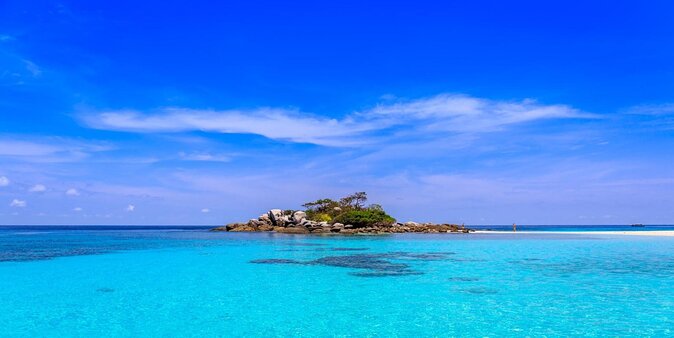
- Two-day first-level training: pool coaching first, then 2–3 open-water sessions around Koh Racha Yai.
- Certification choice: you can train toward PADI, SSI, AIDA, or Molchanovs.
- Complete equipment rental: you don’t need to source or transport your own gear.
- Guided, small-group vibe: maximum of 5 travelers helps keep attention on your skills.
- Real meal support: breakfast and lunch on day 2 are included.
- Weather-dependent schedule: the plan is designed for good conditions, and changes happen if conditions turn.
More reef stops, snorkel spots and dive sites near Phuket
- Phuket: 3 Khai Islands Relax & Snorkeling Half/Full Day Tour★ 4.2 · 2,379 reviews
- From Phuket: Similan Islands Snorkeling Trip by Speedboat★ 4.4 · 1,579 reviews
- Phi Phi & Bamboo Islands Snorkeling Tour with Lunch by Speedboat★ 5.0 · 797 reviews
- Phi Phi and Khai Islands Snorkeling Tour with Lunch by Speedboat★ 4.5 · 788 reviews
A two-day first-level breath-hold course in Phuket
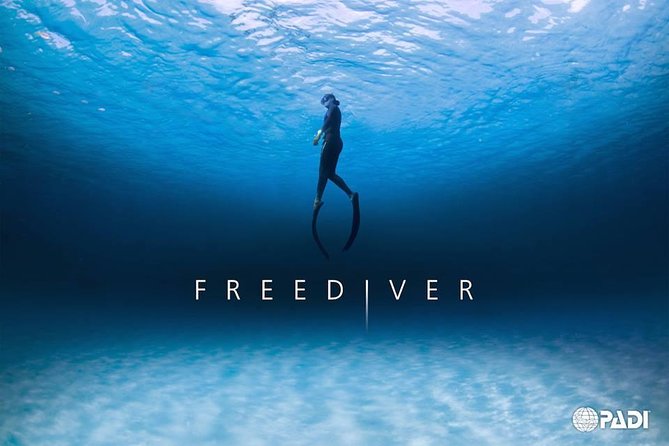
This is the kind of course that makes breath-hold training feel doable, not mysterious. You spend day 1 learning the fundamentals at a relaxed pace, then you move to open water on day 2 near Koh Racha Yai—so you’re not just practicing in a controlled environment.
The biggest practical win is structure. You’re not figuring out what to do each step of the way. Between hotel/boat transfers, equipment rental, and a clear progression from pool to ocean, you spend your energy where it matters: learning calm technique and staying safe.
And since you can choose a certification route (PADI, SSI, AIDA, or Molchanovs), it’s also a good option if you want a path you can build on later. It’s not just a one-off experience.
Day 1 at The SIS Kata pool: safety-first skills that don’t rush you
Day 1 starts at 9:00am at The SIS Kata swimming pool. You’ll begin with an overview session where you talk through what breath-hold training is about and how to handle it. The tone here matters: it’s set up at a slow pace and designed for everyone, which is exactly what you want on day 1.
From there, you practice static breath-holds and dynamic breath-hold work. Even without ocean conditions, these skills help you understand how your body reacts, how breathing patterns feel, and how technique changes your comfort level. For beginners, that insight is gold. You’re building a base you can carry into day 2.
Also, you’re in a pool setting with a coach team and a controlled environment, which makes it easier to focus. You can ask questions without worrying about currents, entry/exit logistics, or boat timing stress.
One detail worth noting: day 1 is scheduled for about 5 hours. That’s long enough to get meaningful reps, but it still leaves you time to recover before the boat day.
Day 2 to Koh Racha Yai: 2–3 50-minute open-water sessions
Day 2 is where the course turns from practice into a real-feeling ocean experience. You get picked up from your hotel at 7:30am, and you’ll have breakfast and lunch included. The meal setup is helpful because a long boat day is easier when you’re not trying to hunt food between sessions.
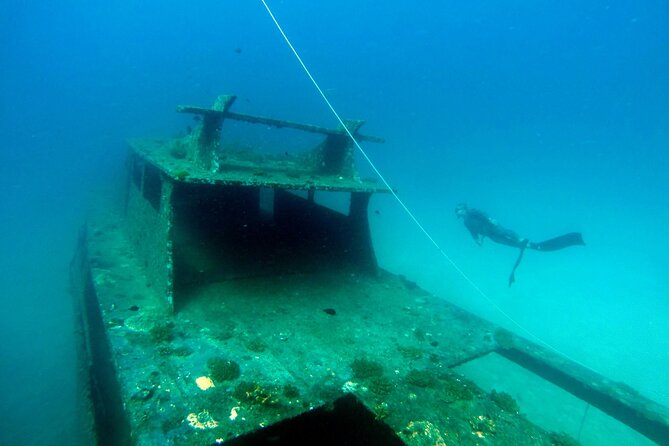
Your open-water training happens around Koh Racha Yai. You’ll do two to three sessions, and each one is planned for about 50 minutes. That’s a solid amount of time to work on control and rhythm, without feeling like you’re being rushed through a checklist.
You’ll head out by boat, do the scheduled training sessions, and then you return around 3:00pm. That timing is practical. It gives you most of the day, but you’re not stuck late into the evening with sore muscles and a busy schedule.
What you should expect in real terms
In open water, things you could ignore in a pool get louder:
- water conditions and boat movement
- managing nerves and staying relaxed
- transitioning between prep and your session mindset
That’s why the day 1 pool work matters. It gives you a reference point so day 2 feels like extension, not a total reset.


Certification options: picking PADI, SSI, AIDA, or Molchanovs
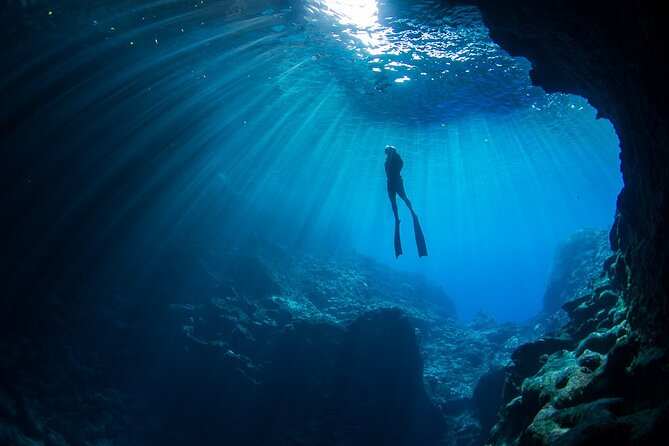
You don’t have to choose blindly. You’re told upfront that your course can be aligned with PADI, SSI, AIDA, or Molchanovs certification paths.
What I like about this arrangement is that it lets you match your future plans. If you’re already thinking about continuing training, switching to another certification system later can mean extra admin. Choosing the route that fits your goals now keeps things cleaner.
That said, you should still take a moment before booking to consider what matters most to you:
- Do you care about continuing in a particular certification ecosystem?
- Are you aiming for more training later, or do you want a simple introduction?
- Do you prefer a course style that you’re more likely to repeat and build on?
Because the information you’re given confirms multiple certification options, you’re not locked into one approach by default. You should use that flexibility to align with your future breath-hold training plans.
Price and value: why this costs $328.65 and what you get for it
At $328.65 per person, this isn’t a low-cost, last-minute activity. But it also isn’t just a guide standing nearby.
Here’s the value math in plain language:
- Complete equipment rental is included, so you don’t have to pay to source gear or transport it.
- You get boat trip transfers and hotel transfers tied to the course schedule, which reduces taxi time and stress.
- Breakfast and lunch on day 2 are included, which matters on a 7:30am pickup day that ends around 3pm.
- The group size is capped at 5 travelers, which is a big deal for attention and coaching feedback.
If you were to price those pieces separately—gear rental, boat logistics, and meals—you’d likely spend close to the same or more, especially in a tourist-heavy area like Phuket.
The only “cost” you should budget for outside the package is personal spending, like alcoholic drinks which are available to purchase but not included.
The small-group advantage (max 5 travelers)
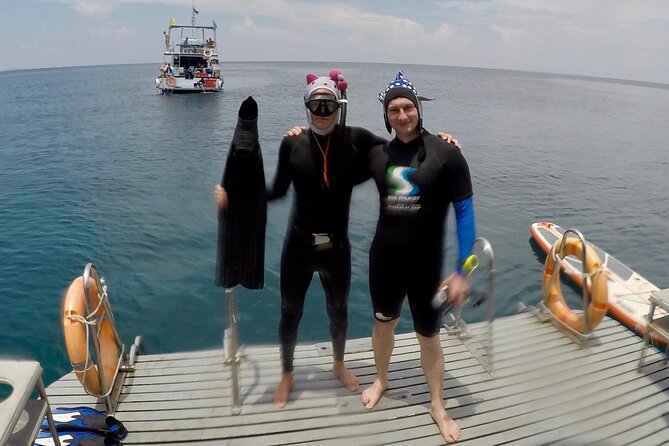
A maximum of 5 travelers is a sweet spot. It usually means:
- more time for questions
- less waiting around
- more consistent coaching during practice
Even if everyone is at a different comfort level, small-group instruction is where beginners benefit most. You’re less likely to be treated like you’re just an extra body in the water.
I also like that the course is described as slow-paced for everyone. That kind of pace is easier to maintain when the group is small.
Picking the right instructor energy: what the reviews point to
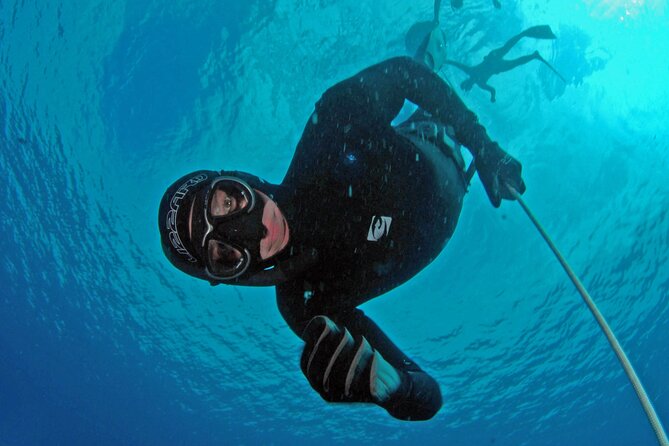
One of the most praised aspects tied to this experience is the teaching quality. The name Ruddy comes up as an excellent instructor, and the feedback also highlights real improvement in breath-hold skill.
That matters because a good instructor doesn’t just keep you safe. They help you build the right habits early—habits you’ll feel immediately in how comfortable you are during sessions.
If you’re a complete beginner, this is especially important. Early guidance can help you avoid common frustration loops, like trying too hard or losing your calm when it gets challenging.
Practical logistics: where it starts and how the day flows
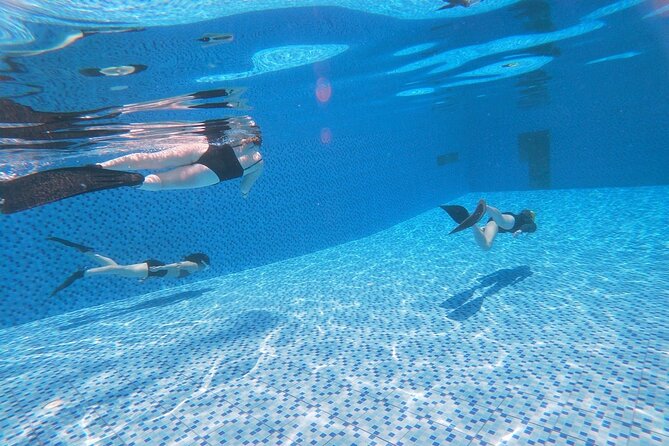
Your day 1 meeting point is at The SIS Kata pool at 9:00am. Day 2 pick-up is at 7:30am from your hotel, with the boat day scheduled to bring you back around 3:00pm.
The experience ends back at the meeting point area (listed near R8FM+73 Rawai). If you’re planning other activities around the same day, aim for a relaxed afternoon on day 2. You’ll be tired in that specific way training creates—mentally alert, physically ready to recover.
Also, you’ll receive a mobile ticket, which makes it easier if you’re juggling transfers.
What to bring and how to prepare for better sessions
The course includes gear rental, so you don’t need to pack your entire kit. But you should still plan for comfort and easy changes.
I’d recommend you bring:
- your swimwear
- a change of clothes for after the sessions
- sunscreen and a hat (you’ll be on a boat)
- a water-friendly bag or dry bag if you have one
Food-wise, you’re covered with breakfast and lunch on day 2. Still, you’ll feel better if you hydrate well before pick-up.
Finally, mentally prepare for a two-day arc. Day 1 is about learning how to handle it. Day 2 is about using that control in open water. If you treat day 1 like a rehearsal for day 2, you’ll get more out of both days.
Who should book this, and who might wait
This course is a strong fit if you:
- want a first-level introduction with real structure
- prefer small-group coaching (max 5 travelers)
- want equipment rental and transfers taken care of
- are choosing between certification systems (PADI/SSI/AIDA/Molchanovs)
You might consider waiting or choosing a different option if:
- you need very specific pickup times outside the listed Phuket pickup areas
- you’re traveling with tight timing that can’t flex if weather forces a change (good weather is required)
Should you book this breath-hold course near Racha Yai?
I think you should book if you want a smooth, guided start and you like the idea of progressing from pool fundamentals into open water with coaching and gear included. The value is strong because the package covers equipment rental, transfers, and day-2 meals, and the small group size helps you get feedback instead of just watching.
Choose it confidently if you’re serious about learning. And if you’re nervous, that’s not a deal-breaker. A slow-paced day 1 and a pool-first approach is built for people who need time to settle in.
If you’re on the fence, decide based on one thing: can you handle a weather-dependent schedule. If yes, this is a very practical way to start breath-hold training in one of Phuket’s best training locations.
FAQ
How long is the course?
It runs for about 2 days.
What certification options are available?
You can choose certification through PADI, SSI, AIDA, or Molchanovs.
Is equipment included?
Yes. Complete equipment rental is included.
What meals are included?
Breakfast and lunch are provided on the second day (also tied to the boat trip).
What happens on the first day?
You start at 9:00am at The SIS Kata pool. You get an intro to breath-hold training and safety, then you practice static and dynamic breath-hold in the pool.
What happens on the second day?
You’re picked up at 7:30am, then you do 2–3 open-water sessions around Koh Racha Yai, with each session scheduled for about 50 minutes. You return around 3:00pm.
How many people are in the group?
The maximum group size is 5 travelers.
What if weather is poor?
This experience requires good weather. If it’s canceled due to poor weather, you’ll be offered a different date or a full refund.
More Tour Reviews in Phuket


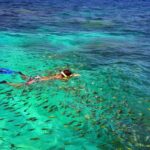
Under the Andaman, More Reefs
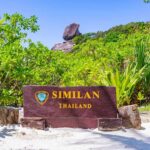
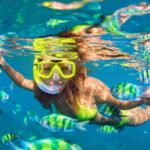



Keep exploring Phuket and the Andaman coast
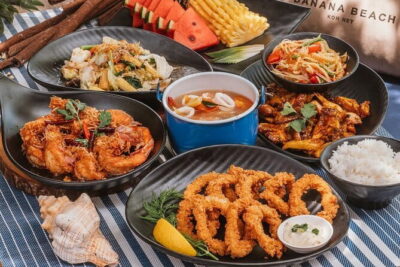
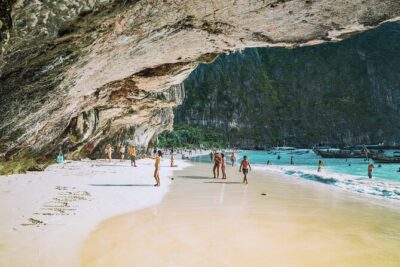
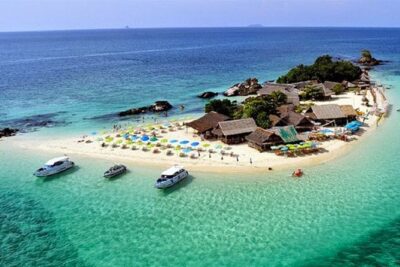
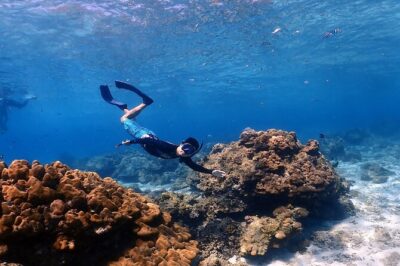
Phuket Snorkeling & Diving, compared.
 ★ 4.23 Khai Islands Relax & Snorkeling Half/Full Day TourFrom $242,379 reviews
 ★ 4.4Similan Islands Snorkeling Trip by SpeedboatFrom $981,579 reviews
 ★ 5.0Phi Phi & Bamboo Islands Snorkeling Tour with Lunch by SpeedboatFrom $129797 reviews
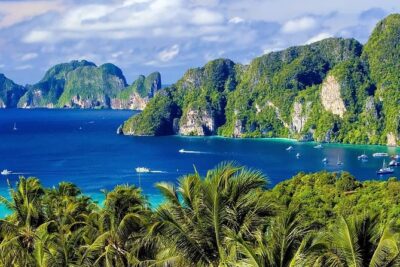 ★ 4.5Phi Phi and Khai Islands Snorkeling Tour with Lunch by SpeedboatFrom $94788 reviews
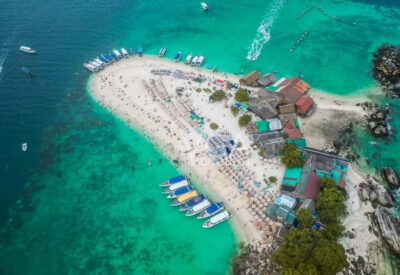 ★ 4.23 Khai Islands Tour- Snorkel & Relax (Half/Full Day)From $30502 reviews
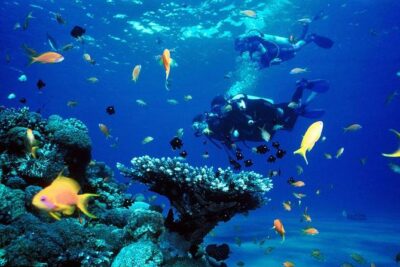 ★ 5.0Full-Day Beginner Scuba Course with Private Tuition, Racha YaiFrom $162368 reviews
 ★ 4.5Best of Phi Phi Islands Snorkeling Tour from PhuketFrom $75317 reviews
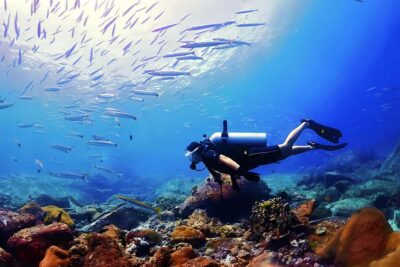 ★ 4.8Scuba Diving Maithon Or Racha Islands For All LevelsFrom $100245 reviews
Browse the lists this tour appears in