
Reviewed · ETHICAL ELEPHANT ENCOUNTERS
Phuket: Elephant Jungle Sanctuary Ethical Feeding Experience
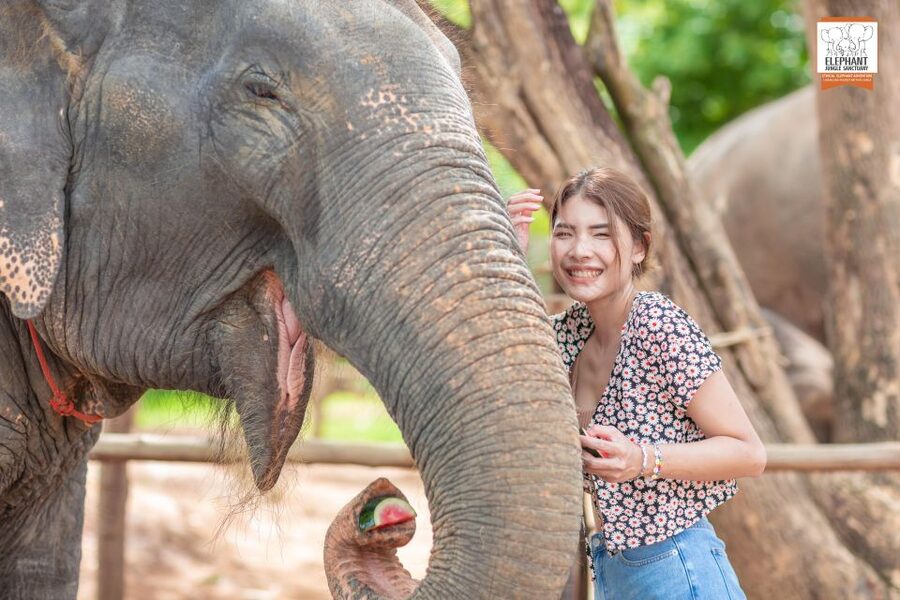
Elephants are gentle here, with strict respect. This Phuket Feed Me experience at Elephant Jungle Sanctuary Phuket pairs up-close feeding with real education from staff like Hannah, while keeping the focus on welfare. I love the ethical approach (no rides, no circus-style tricks), and I also like that the guide answers questions in a friendly, human way. One watch-out: it’s only about 1 hour, so if you want a super long, in-depth biography for every elephant, you’ll need to ask on the spot.
The setup is simple and easy to work into your day: you meet at Elephant Jungle Cafe, join a scheduled time slot, feed the elephants with fruit or grass provided by the vet, then wrap up with a complimentary soft drink. The experience is built around walking in the feeding area and observing closely—enough to get memorable photos, without turning this into a show.
In This Review
- 5 Key Things You’ll Notice Right Away
- What the Feed Me Program Really Is (and Why It Feels Different)
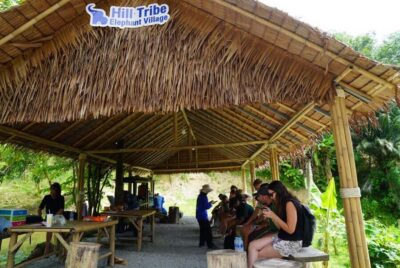
- Meeting at Elephant Jungle Cafe: Quick Start, Clear Expectations
- The 1-Hour Feeding Circuit: Fruit or Grass, Then Observe
- Your Guide’s Role: Learning Elephant Behavior, Not Just Taking Pictures
- Ethics You Can Actually Feel: No Riding, No Shows
- Photography and Safety: How to Get the Shot Without Getting in the Way
- Price and Value: Is $28 Worth It?
- Who This Fits Best (and Who Should Consider Other Options)
- Should You Book Elephant Jungle Sanctuary Phuket’s Feed Me Session?
- FAQ
- How long is the Elephant Jungle Sanctuary Phuket Feed Me experience?
- Where do I meet for the tour?
- What’s included in the $28 per person price?
- Is transportation included?
- What do elephants eat during the feeding?
- Is there a guide, and what languages are offered?
- How do I choose a time slot for Feed Me?
- What should I bring with me?
- Is the experience wheelchair accessible?
- Can I cancel, and do I get a refund?
5 Key Things You’ll Notice Right Away
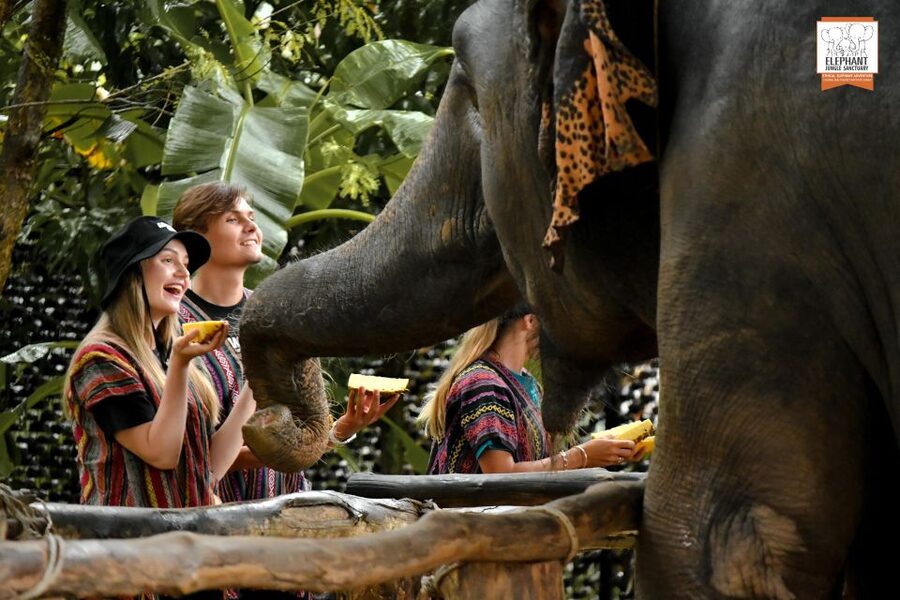
- A strictly hands-on feeding moment built around short, guided interaction
- Fruit or grass from the vet, so the food is controlled and intentional
- Guide-led learning, with staff like Hannah and Michael often highlighted for Q&A time
- Rescue-focused ethics: no riding or performances, just welfare-centered care
- A practical ending with a soft drink and time to reset before you leave
Other ethical sanctuaries where you meet the herd, not ride it
- Phuket: Elephant Jungle Sanctuary Half-Day Visit with Meal★ 4.9 · 1,800 reviews
- Phuket: Elephant Save & Care Program Tour★ 4.8 · 1,790 reviews
- A Morning with the Elephants at Phuket Elephant Sanctuary★ 5.0 · 1,693 reviews
- From Phuket: Elephant Jungle Sanctuary Feed and Shower Trip★ 4.8 · 1,056 reviews
What the Feed Me Program Really Is (and Why It Feels Different)
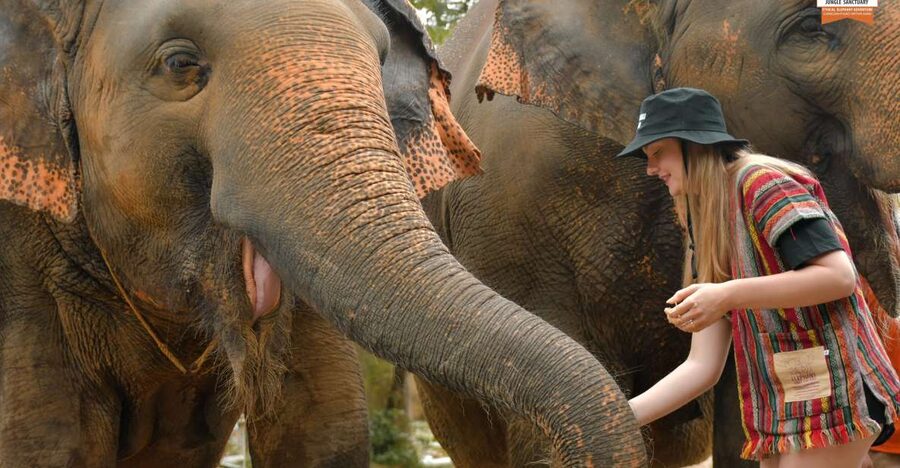
Think of this as a focused elephant interaction, not a half-day theme-park outing. The “Feed Me” program is designed to let you get close and feel the scale and calm presence of elephants, while still keeping things structured. You’re not there to race through checkpoints—you’re there to feed, observe, and learn how to behave around these animals.
What I like most is that the experience is set up to reduce the most common “elephant attraction” problems. You’re guided on how to act around the elephants, and you’re given context for their comfort and safety. In plain terms: you’re not just buying a photo op. You’re being taught how to interact responsibly.
Also, the food element is handled in a clear way. The feed is provided (fruit or grass), and the elephant vet is involved in providing the elephant feed. That matters because it shifts the experience from casual feeding to something more controlled and intentional.
Meeting at Elephant Jungle Cafe: Quick Start, Clear Expectations
Your meeting point is Elephant Jungle Cafe. From there, you’ll be brought into the sanctuary experience for your scheduled time. The activity is short—about 1 hour—so the flow matters. This kind of timing is actually a benefit if you want a memorable animal encounter without blowing up your whole day.
A small but useful detail: the attraction offers skip-the-ticket-line convenience. That means less time standing around, more time using your paid hour well. If you’re trying to fit this between beach time and dinner plans in Phuket, that’s a big deal.
Tip: arrive a little early so you can get settled before your time slot. A few people noted smooth adjustments when they arrived a bit late, but it’s still smart not to gamble with heat, traffic, and schedules.
The 1-Hour Feeding Circuit: Fruit or Grass, Then Observe
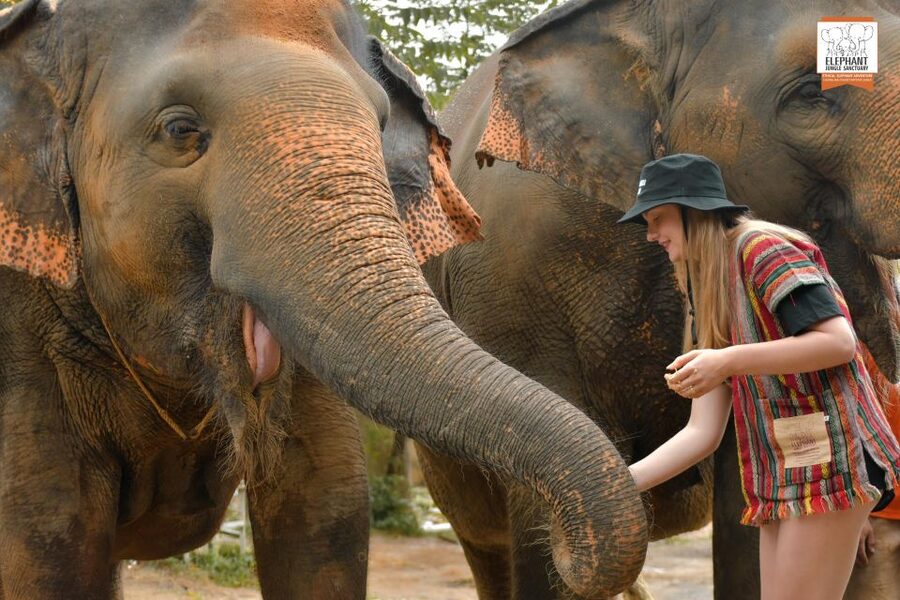
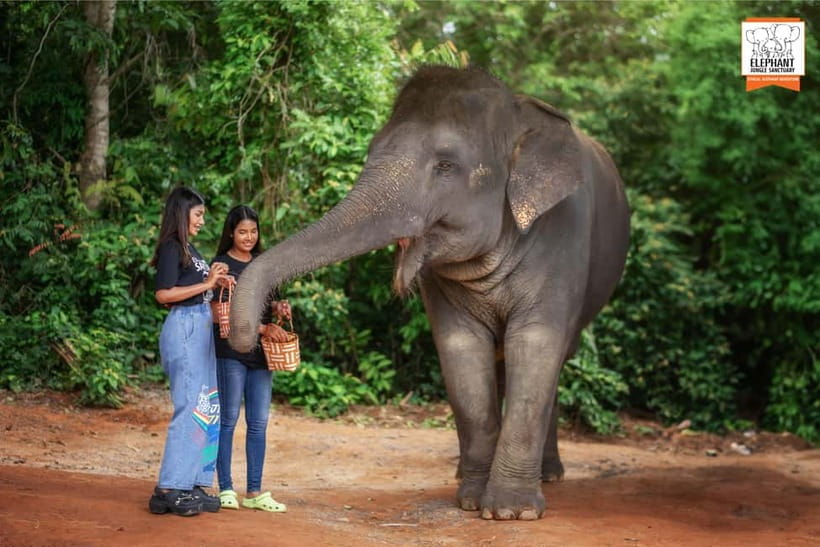
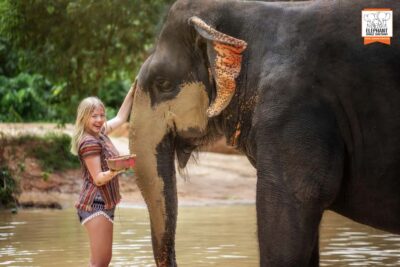
This is where the experience earns its keep. You spend your time feeding the elephants and walking around the feeding area. The guide leads you through what to do, and staff help manage the interaction so the emphasis stays on the elephants’ welfare.
Here’s what you can reasonably expect during the session:
- You’ll feed the elephants with fruit or grass (provided as part of the program).
- You’ll learn how to approach and where to stand—basically, how to keep the interaction calm.
- You’ll spend time observing their behavior and personality.
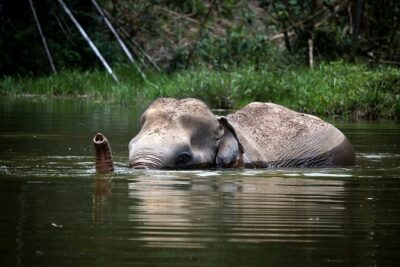
- If the elephants are active at that moment, you might see extra moments like bathing and playful behavior—something that stood out as an unexpected highlight for at least one visitor.
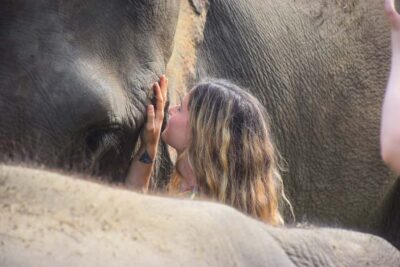
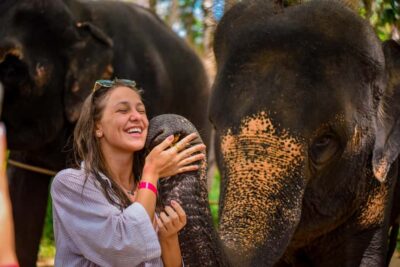
And yes, some sessions include petting or gentle touch when an elephant is comfortable. Staff may also help you understand which elephants are more open to interaction and which ones need more distance. That kind of guidance makes the close-up moment feel safer and more respectful.
The one trade-off is time. It’s a compact experience. You’ll leave with strong memories, but it’s not built as a long, slow “study session” with extensive coverage of every backstory.
Your Guide’s Role: Learning Elephant Behavior, Not Just Taking Pictures
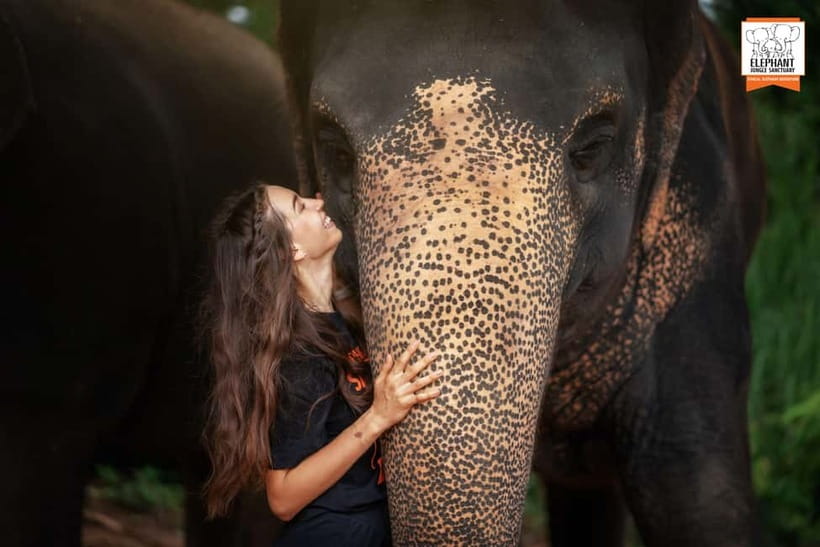
A big reason this sanctuary-style experience feels worthwhile is the human element. Guides like Hannah and Michael come through in the Q&A. The best parts of the visit are when you stop seeing elephants as props and start seeing them as individuals with preferences and limits.
You’ll likely get a talk before or during the feeding area time. People mention that the guide explains rescue journeys and how to interact respectfully. One visitor specifically praised how the sanctuary educates well before feeding begins, which is exactly what you want if you’re worried about ethics.
There’s also an ethical behavior layer. For example, staff may tell you not to encourage behaviors like dancing, since those can be linked to past captivity. That’s a key difference from the usual “watch tricks and clap” elephant encounters. Here, you’re learning what not to do as part of protecting the animals and respecting their history.
Practical thought: if someone says they wanted more detailed information, that’s usually about depth, not about the ethical basics. If you want extra detail, bring curiosity. Ask direct questions: what makes each elephant calm, what signs mean they want space, and what their day looks like.
More ATV trails and zipline runs through the jungle





Ethics You Can Actually Feel: No Riding, No Shows
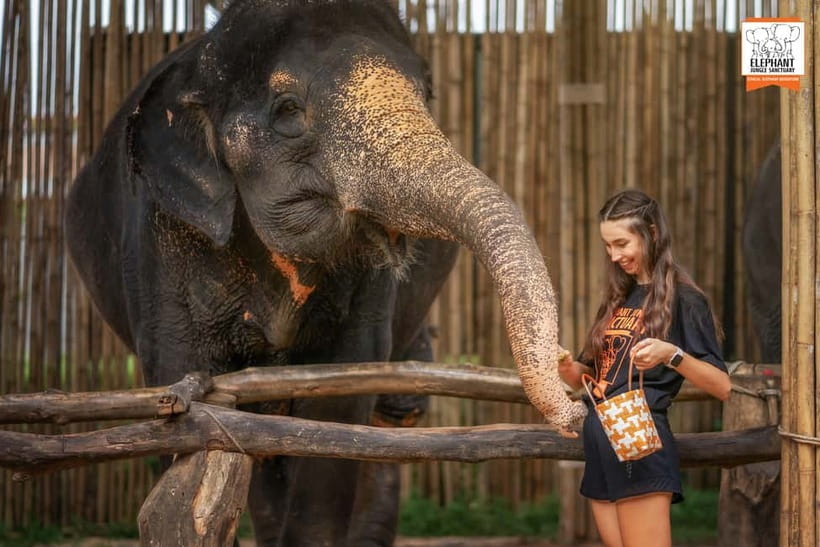
Let’s be clear about what ethics means in real life here. Multiple people emphasized that this isn’t the ride-and-wash style of elephant tourism that’s common elsewhere. The experience stays in the lane of feeding and observing.
That matters because elephant riding often centers the animal’s body as equipment. This sanctuary-style approach centers the animal’s welfare as the main point. When visitors say the elephants are treated well and that the place is safe, they’re describing a core operational choice: the sanctuary is set up for care, not performance.
You’ll also hear strong emphasis on rescue stories. People pointed out that elephants here are rescued—often from circus and captivity contexts—and moved into a space where they can live with more freedom of movement. One visitor cited the sanctuary as having over 60 acres, which helps explain why the experience can feel more like observing animals in a real environment than in a cramped venue.
Another detail you’ll likely appreciate: the staff may help decide when touch is appropriate, based on the elephant’s temperament. That kind of controlled, consent-like approach changes the vibe. It turns the experience from “humans doing what they want” into “humans responding to the animal.”
Photography and Safety: How to Get the Shot Without Getting in the Way
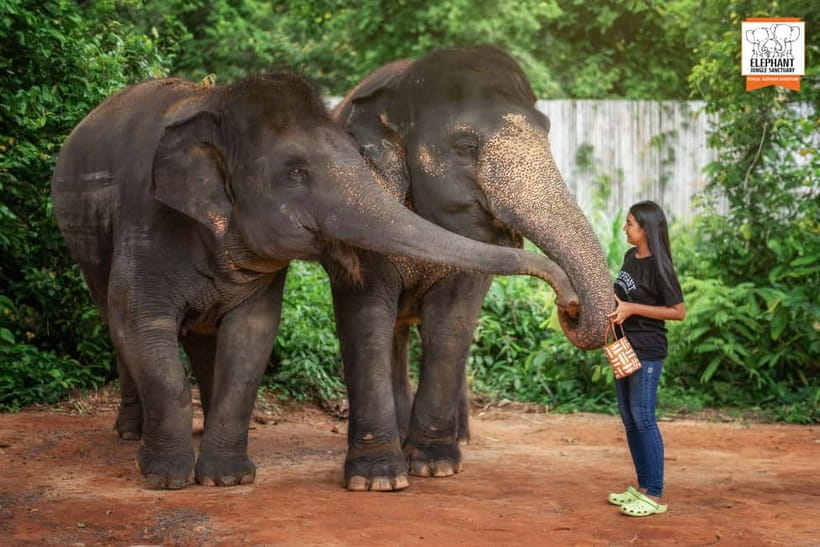
The feeding experience is photo-friendly, but it works best when you remember you’re not the center of the scene. You’ll be in close proximity, and that can feel thrilling—especially the first time you see an elephant’s size up close.
To keep it smooth:
- Bring your camera and keep it ready, but don’t rush to block staff or other visitors.
- Wear a hat, sunscreen, and insect repellent. Phuket sun and bugs don’t care about your itinerary.
- Follow guide instructions on where to stand. The whole interaction depends on respectful spacing.
One more useful detail: you might have staff help with photos during the session. That’s handy because it reduces the temptation for you to step out of position just to frame the perfect shot. Use the help, then focus on the moment.
And remember the simple rule: if the elephant seems to be shifting attention away, or the staff asks you to step back, do it. Your goal isn’t to force closeness. Your goal is to enjoy the encounter responsibly.
Price and Value: Is $28 Worth It?
$28 for a 1-hour ethical feeding experience is not a budget bargain, but it’s also not inflated for what you’re actually getting. Here’s what you receive:
- Elephant Jungle Sanctuary Phuket entry
- A guide
- Elephant food
- A complimentary soft drink
Also, you skip the ticket line. That doesn’t sound exciting, but for a short 1-hour activity, it protects the value of your time.
What’s not included: transportation. If you’re far from the meeting point, the real cost can creep up depending on how you get there. If you can’t self-arrange a ride easily, confirm your logistics before you book.
Where the value really shows is in what you’re not paying for. You’re not buying elephant riding time or a performance show. You’re paying for an ethical interaction structure—food provided responsibly, guidance on behavior, and staff-led welfare-focused handling.
My practical take: if you want the most animal time per hour in Phuket, this fits. If you want a long, detailed museum-style education day, you might find it short. The price makes sense for the format—it’s a premium hour, not a full-day course.
Who This Fits Best (and Who Should Consider Other Options)
This experience is ideal if you:
- Want an ethical elephant interaction and you care about not supporting riding or tricks
- Prefer a short, well-organized activity that still feels meaningful
- Enjoy guided learning and ask questions rather than treating the encounter like a drive-through
It may be less ideal if you:
- Need a long time to absorb facts and history—because the session is about 1 hour
- Want guaranteed heavy detail for every elephant’s life story without asking follow-ups
- Are uncomfortable with close proximity around large animals (even with safety guidance)
A plus for families and mixed groups: the experience includes clear guidance and a welfare-based environment. And the whole place is wheelchair accessible, which is a thoughtful inclusion.
Should You Book Elephant Jungle Sanctuary Phuket’s Feed Me Session?
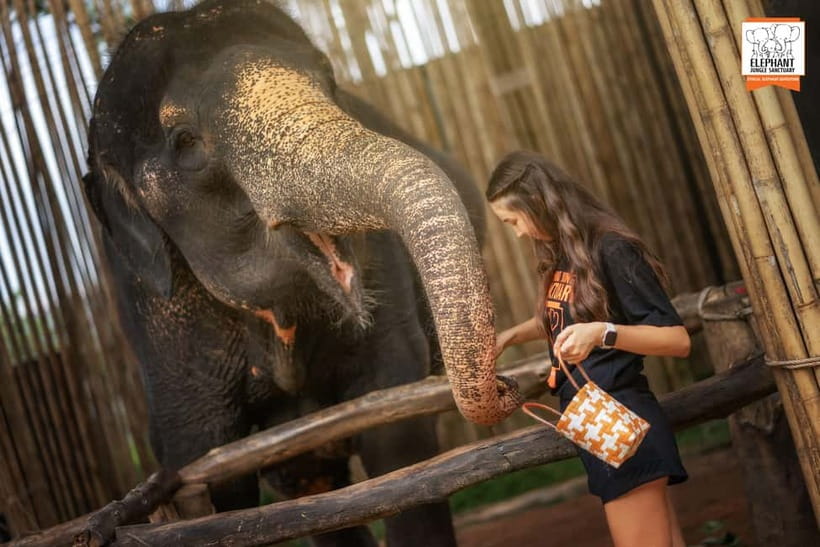
If your priority is a respectful, welfare-centered elephant encounter, I’d book it. The best part of this experience is how it teaches you to interact correctly—then lets you enjoy the gentle reality of these animals during feeding time. The short format means you’ll likely feel satisfied without burning your whole day.
Before you book, do two quick checks:
- Confirm your transportation to Elephant Jungle Cafe, since it’s not included.
- Plan for a warm, sun-heavy Phuket day and bring the essentials: hat, sunscreen, and insect repellent.
For most people, this is a strong “do it once” Phuket activity. It’s not about riding. It’s about learning how to be a good guest to a living, complex creature.
FAQ
How long is the Elephant Jungle Sanctuary Phuket Feed Me experience?
The activity duration is about 1 hour. It includes feeding the elephants and walking around the feeding area.
Where do I meet for the tour?
You meet at Elephant Jungle Cafe.
What’s included in the $28 per person price?
The price includes Elephant Jungle Sanctuary Phuket entry, a guide, elephant food, and 1 soft drink.
Is transportation included?
No. Transportation is not included.
What do elephants eat during the feeding?
Elephant feed (fruit or grass) is provided as part of the program, and it’s provided by the elephant vet.
Is there a guide, and what languages are offered?
Yes, there is a live tour guide. Languages offered are English and Thai.
How do I choose a time slot for Feed Me?
The program is valid for 1 day, and you’ll check availability to see starting times. You can choose a time that fits your schedule and budget.
What should I bring with me?
Bring a hat, camera, sunscreen, insect repellent, and your passport (a copy is accepted).
Is the experience wheelchair accessible?
Yes, it is wheelchair accessible.
Can I cancel, and do I get a refund?
Yes. Free cancellation is available up to 24 hours in advance for a full refund.
More Tour Reviews in Phuket






Phuket Jungle Adventures

More Time With Phuket's Elephants



Keep exploring Phuket and the Andaman coast






Ethical Elephant Encounters, compared.
 ★ 4.8Elephant Sanctuary Guided Tour with Hotel TransfersFrom $412,020 reviews
 ★ 4.9Elephant Jungle Sanctuary Half-Day Visit with MealFrom $901,800 reviews
 ★ 4.8Elephant Save & Care Program TourFrom $831,790 reviews
 ★ 5.0A Morning with the Elephants at Phuket Elephant SanctuaryFrom $971,693 reviews
 ★ 4.8Lily Elephant Half day Trip on the Beach with lunchFrom $831,420 reviews
 ★ 4.7Elephant Experience with Lunch or Dinner and PickupFrom $671,387 reviews
 ★ 4.8Elephant Jungle Sanctuary Feed and Shower TripFrom $611,056 reviews
 ★ 4.9Beach walk with elephants, rain & care. 2.5 hoursFrom $59969 reviews
Browse the lists this tour appears in