Reviewed · ETHICAL ELEPHANT ENCOUNTERS
Phuket: Elephant Save & Care Program Tour
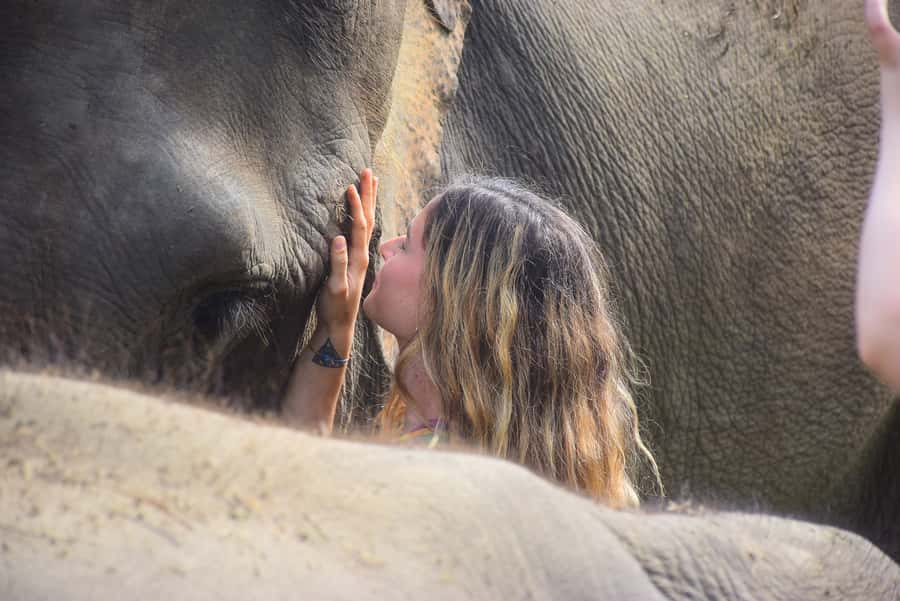
Bananas, mud, and gentle giants in Phuket. I love the hands-on elephant feeding with baskets of fruit and corn, plus the herb-mix mud spa where you scrub and rinse the elephants while guides explain each animal. The main trade-off is the mess: you should expect to get wet, muddy, and plan for a change of clothes.
Pickup and drop-off make it easy, and you’ll have an English-speaking guide with staff around for the steps and photos, including a photo set sent to your email after the tour. Group sizes can run up to about 30, so the private option can feel calmer if you don’t want a crowd around you.
In This Review
- Key Things I’d Highlight
- Phuket’s Elephant Save & Care Program: More Than a Quick Photo Stop
- Getting There: Pickup Windows and a Day That Moves Fast
- First Stop in the Sanctuary: Orientation and Elephant Care Basics
- Feeding the Elephants: Baskets, Hand-Feeding, and Stories for Each Animal
- Herb Mix Mud Spa: Scrubbing, Skin Care, and What the Program Claims
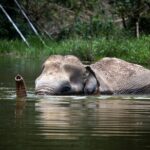
- Bathing in the Natural Pool: Elephant and Water (and How Brushing Works)
- Lunch Box Break: Pad Thai, Seasonal Fruit, and a Quick Reset
- Photos, Videos, and the Little Extras That Change the Value
- Private vs Shared Group: Choose Based on Your Comfort Level
- Who This Phuket Elephant Experience Fits Best
- Price and Value: Is $83 Worth It in Phuket?
- Should You Book the Elephant Save & Care Program?
- FAQ
- What is included in the Phuket Elephant Save & Care Program Tour?
- How long is the tour?
- What time are the morning and afternoon sessions?
- What should I bring?
- Are there private or shared group options?
- Is this experience good for kids?
Key Things I’d Highlight
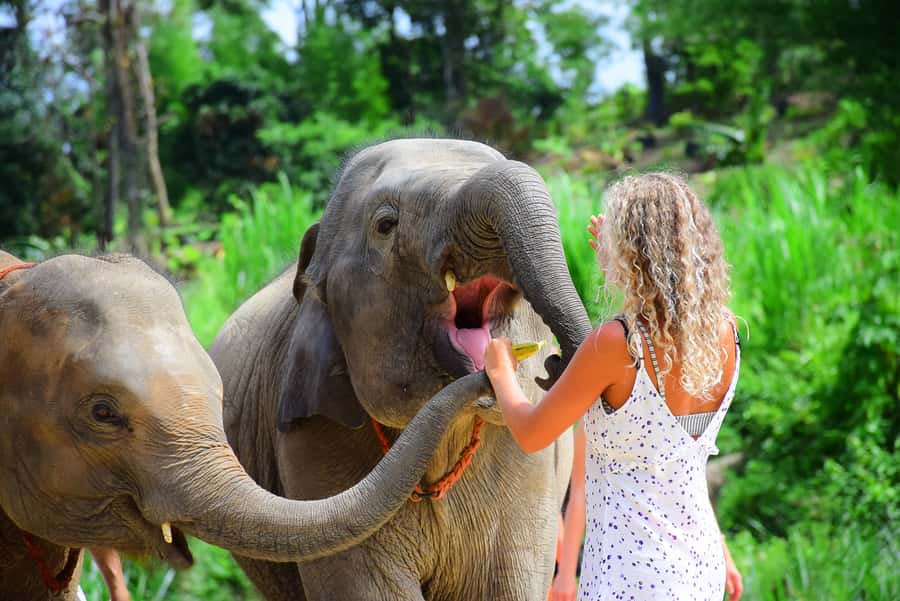
- Hand-prepped feeding baskets with bananas, sugarcane, cucumber, and corn
- Herb mix mud “spa” routine described as helping scratches and skin damage, plus heat-balance benefits
- Natural pool bathing and brushing while you learn about elephant and water habits
- Shared group or private tour with group size typically 1–30 depending on the day
- Lunch box plus clean-up setup, and photo support with free images sent afterward (with optional paid add-ons)
Other ethical sanctuaries where you meet the herd, not ride it
- Phuket: Elephant Jungle Sanctuary Half-Day Visit with Meal★ 4.9 · 1,800 reviews
- Phuket: Elephant Save & Care Program Tour★ 4.8 · 1,790 reviews
- A Morning with the Elephants at Phuket Elephant Sanctuary★ 5.0 · 1,693 reviews
- From Phuket: Elephant Jungle Sanctuary Feed and Shower Trip★ 4.8 · 1,056 reviews
Phuket’s Elephant Save & Care Program: More Than a Quick Photo Stop
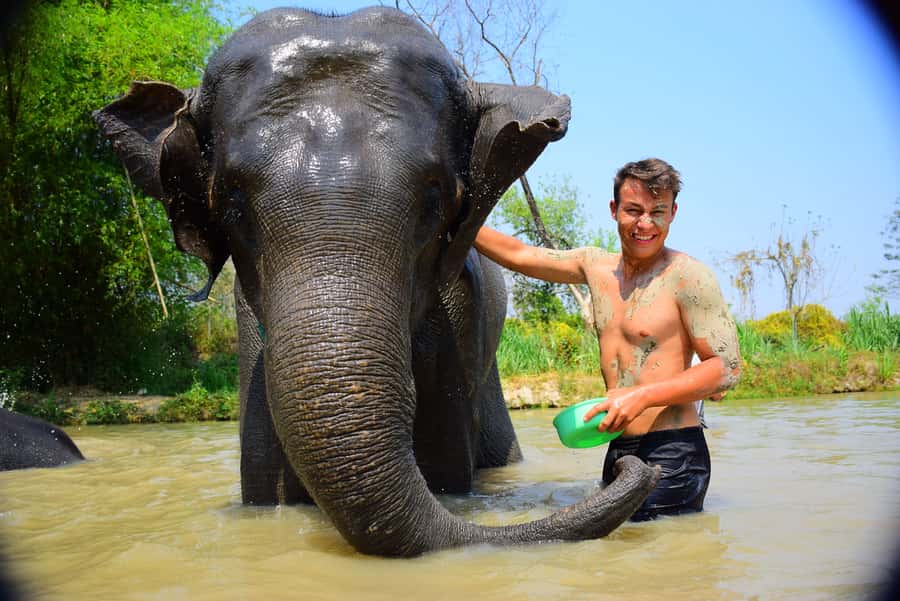
This is one of those Phuket activities that feels like a full experience, not a two-minute photo line. You’ll spend your time with Thai elephants in a sanctuary setting where the focus is on daily care moments: food prep, feeding, skin care, and water-time. And unlike the most commercial elephant attractions, the whole structure centers on respectful interaction you can actually understand.
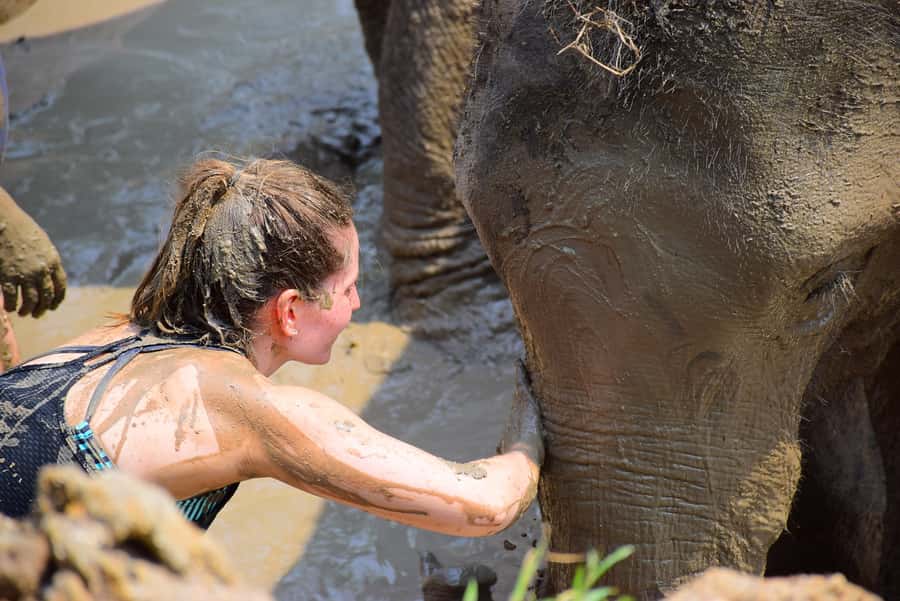
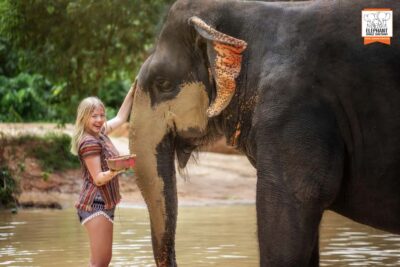
I like that the day is built around guided care tasks. You’re not just watching from the side. You prep the food, you feed by hand, you help with the mud scrub, and then you rinse and bathe in a natural pool. It’s hands-on in a literal way, which makes it memorable in a good way (and also makes you plan to get dirty).
That “mud spa” part is the big hook. The program uses a special herb mix mud as a skin-care routine. You’ll hear the reasoning behind it on-site, including how it’s meant to help with wounds from scratches and skin damage, and how it may support heat balance and blood flow. I’d keep expectations practical here: this is animal-care support in the context of the sanctuary, not a medical treatment you’re performing. You’re doing a care activity with staff guidance, and you’re learning how it fits into the elephants’ routine.
Getting There: Pickup Windows and a Day That Moves Fast
You have two session options, and both start with pickup from your hotel area.
- Morning session: pickup usually falls between 07:30 and 08:30, with the day starting around 09:00.
- Afternoon session: pickup usually falls between 11:30 and 12:30, with the later blocks centered around feeding, mud care, and pool time.
The schedule is compact. Even though the tour is listed as 2 hours up to about 210 minutes, it doesn’t feel like you’re waiting around. You move from orientation to food prep, to feeding, to mud and shower, to a natural water pool, and then to lunch or the end clean-up.
Big practical note: your pickup time can be earlier than you think. After booking, the exact pickup time comes by email, and the operator isn’t responsible if you miss the pickup because you’re not ready. I’d treat this like a “be early, not hopeful” situation. If your hotel is remote, build in extra time so you don’t cut it close.
First Stop in the Sanctuary: Orientation and Elephant Care Basics
Before you’re in the food-and-mud part, you get a short orientation. It typically starts right after arrival with a quick look at elephant behavior and the program details.
This segment matters more than it sounds. If you come in thinking you’ll just “hang out with elephants,” you’ll miss half the point. The guide sets expectations for how the elephants move, what to watch for, and what the sanctuary is trying to accomplish through Save & Care programming.
You’ll also get the feeling that staff are actively managing the flow. People are positioned for the care tasks, and you’re guided step by step. That’s a good thing for a close-up experience, especially if you’re nervous about interacting with large animals.
Feeding the Elephants: Baskets, Hand-Feeding, and Stories for Each Animal
Once food is ready, you shift into the core experience: feeding.
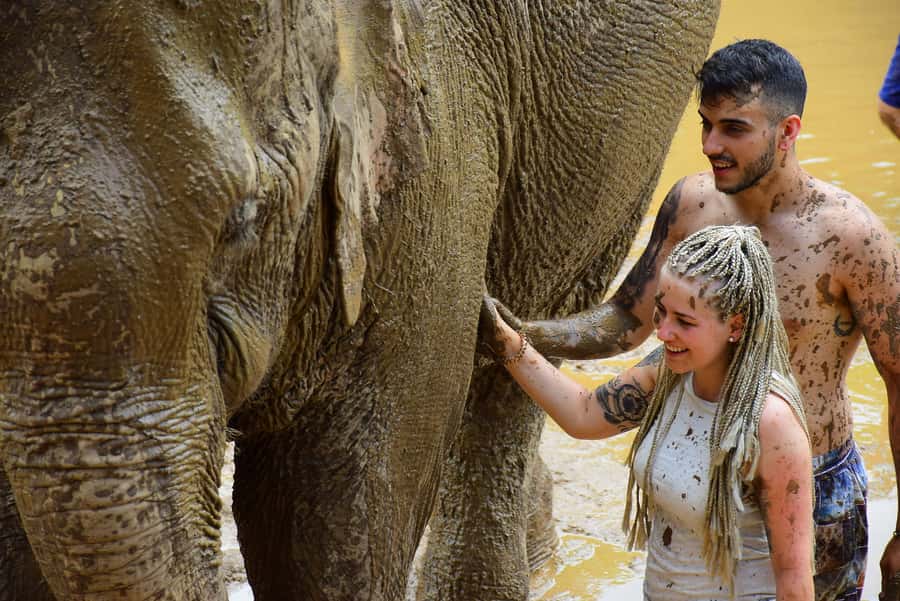
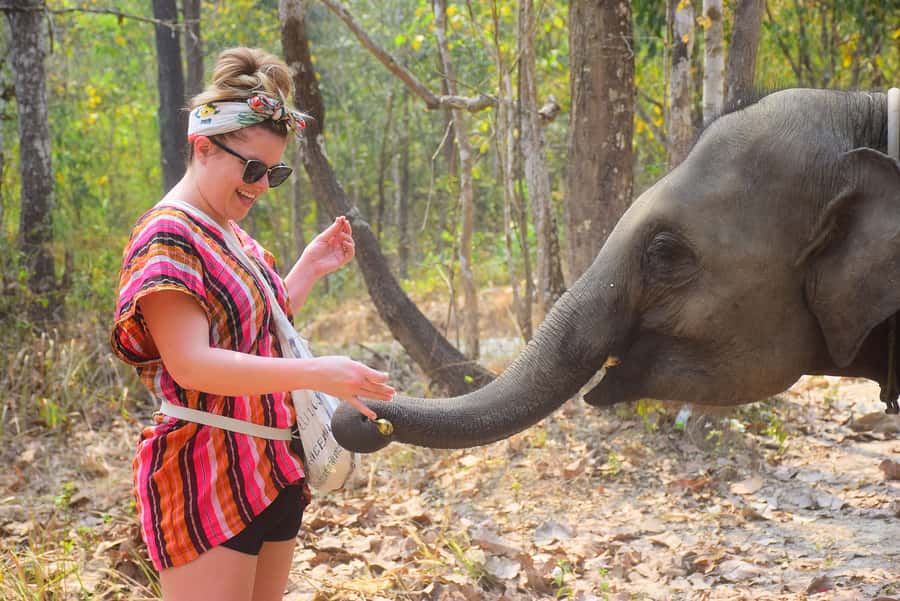
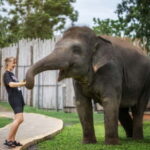
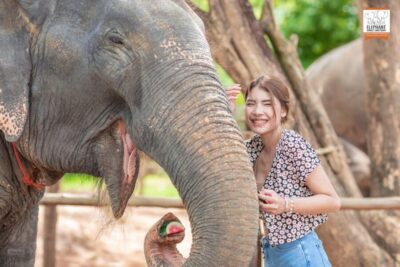
You’ll prepare food and then walk around the Elephant Park in the feeding area. Then comes the part you’ll remember: you’ll feed the elephants using baskets of bananas, sugarcane, cucumber, and corn. It’s hands-on, and you’ll learn how the elephants respond to different foods.
What makes this more than “feed and go” is the guide talk. During feeding, you’ll hear background information about the elephants you’re interacting with. That turns the whole thing from a novelty into a real animal-care lesson.
A small but important detail: feeding gets you close enough to see body language. Elephants are calm, but they’re still animals. You’ll notice how they reach, how they pause, and how they decide what to eat. The guide’s job is to keep it respectful and safe for both you and the elephants, and you’ll see staff positioned throughout.
If you’re traveling with kids, feeding time is often the confidence builder. Several families in the experience pool described that kids who were initially shy became comfortable once the process felt structured and guided. Still, keep it realistic: you’re doing an interaction with a large animal, so you’ll want to follow the guide’s instructions and stay aware.





Herb Mix Mud Spa: Scrubbing, Skin Care, and What the Program Claims
Now comes the most unique part: the herb mix mud “spa”.
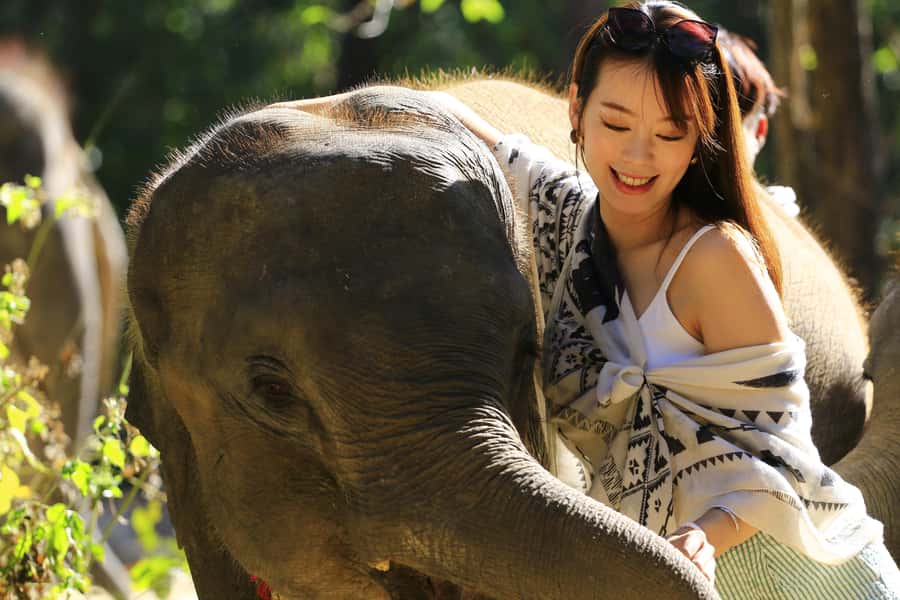
You’ll apply the special mud treatment and help prepare the elephants for a spa-like care routine. The program explains that this special herb mix mud has healing benefits for wounds from scratches and skin damage. It also references heat-balance benefits and support for blood flow.
Here’s how I’d frame it for your own expectations: the mud routine is part of the sanctuary’s care approach, and your role is to assist under staff direction. You’re not expected to be a “mud expert.” The value for you is twofold:
- You understand how skin-care might work in an elephant care routine.
- You feel the care process up close, rather than guessing.
Then you move into shower time. That’s where you’ll really feel how hands-on the tour is, because you’re dealing with wet conditions and mud. People often finish this part feeling like they just participated in a muddy obstacle course, just with elephants instead of sprint drills.
If you hate getting dirty, this is the moment to reconsider. The tour is built around mud, scrub, and rinse.
Bathing in the Natural Pool: Elephant and Water (and How Brushing Works)
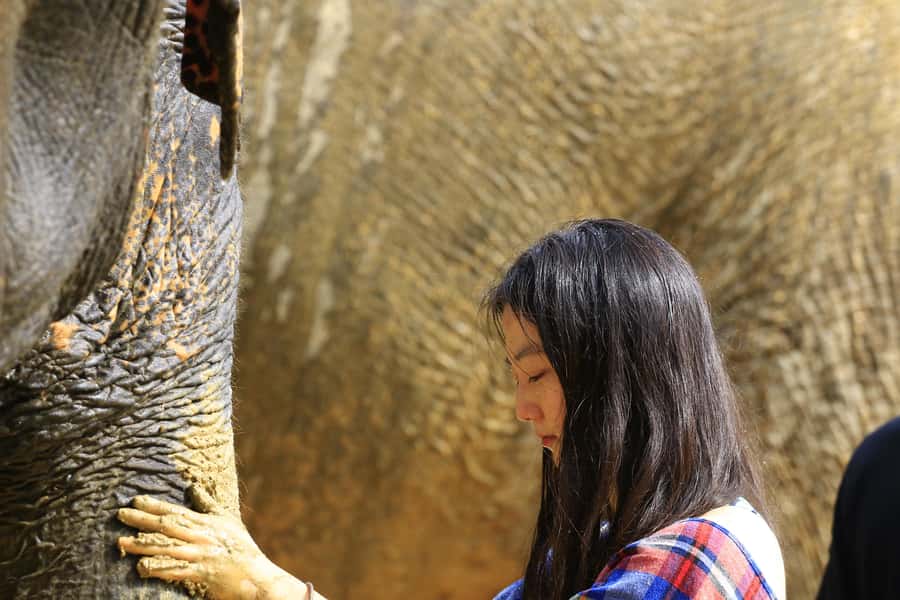
After the mud segment, it’s time for water.
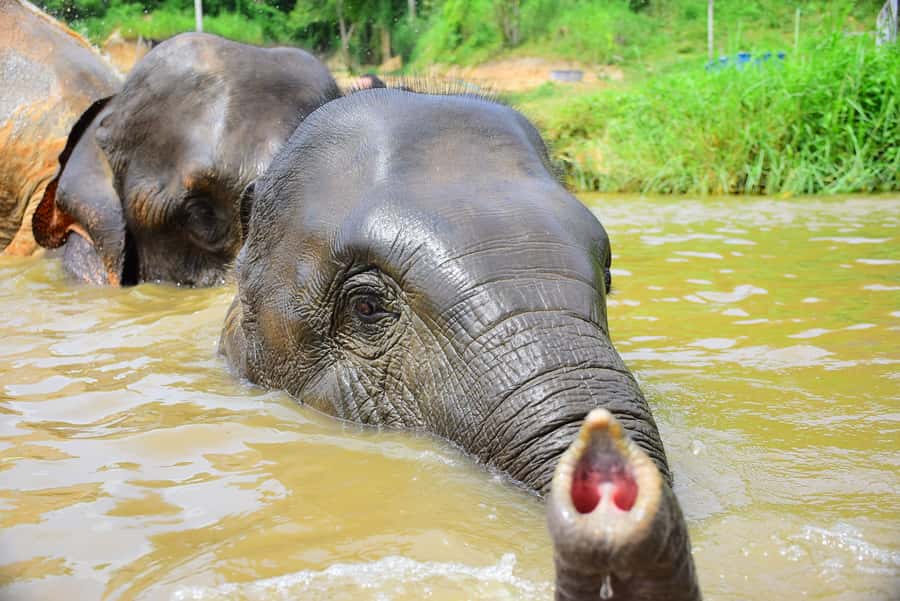
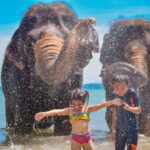
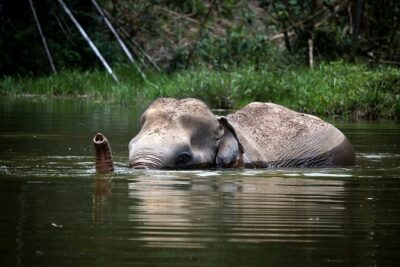
You’ll bathe the elephants in a natural water pool. The guide also includes a discussion topic often described as Elephant & Water, which helps you connect what you’re seeing (comfort, movement, brushing, and relaxation) to elephant behavior.
You’ll also learn how to brush the elephant’s skin. That’s not just a fun extra. It reinforces the idea that the day is about care and comfort, not entertainment. When staff guide the brushing method, it’s about keeping the elephant calm and comfortable while still providing the kind of cleaning that the sanctuary uses as part of routine care.
If you’re worried about whether bathing will be too intense, it’s usually explained and managed. Staff are present, and the elephants are not treated like a ride. Instead, the interaction is about cleaning and relaxation in a controlled environment.
Lunch Box Break: Pad Thai, Seasonal Fruit, and a Quick Reset
Between the elephant blocks, you get lunch.
You’ll typically enjoy a Pad Thai box set along with seasonal fruits. It’s included, and it’s designed to keep the day from turning into a hangry scramble. For many people, lunch is also your moment to dry off a bit and change socks if you came prepared.
That said, keep your expectations flexible. One recurring theme from the experience feedback is that lunch can be a little cold depending on timing and what’s packed. If you’re picky about food temperature, plan accordingly.
Practical tip: pack a change of clothes and keep a small towel handy if you have one. Showers are part of the flow at the end of the tour, and having something to dry off with makes the wrap-up much more comfortable.
Photos, Videos, and the Little Extras That Change the Value
Most people remember the elephants, but the photo side can strongly affect how satisfied you feel afterward.
Staff take photos throughout the day, and many participants described getting a photo set emailed afterward for free. That’s a real value add because you won’t have to worry about getting every shot one-handed while you’re feeding or washing.
There can also be optional paid media add-ons. Some experiences shared that you can purchase things like a video or extra photos, with prices listed around 600 THB for a video and 250 THB for a photo. If you’re the type who loves having a full day documented, it’s worth budgeting a little extra.
One more logistics detail that shows up in the experience: there are lockers, and some setups use a 100 THB deposit. If you want to lock away valuables, bring cash or a payment method that matches what they request.
Private vs Shared Group: Choose Based on Your Comfort Level
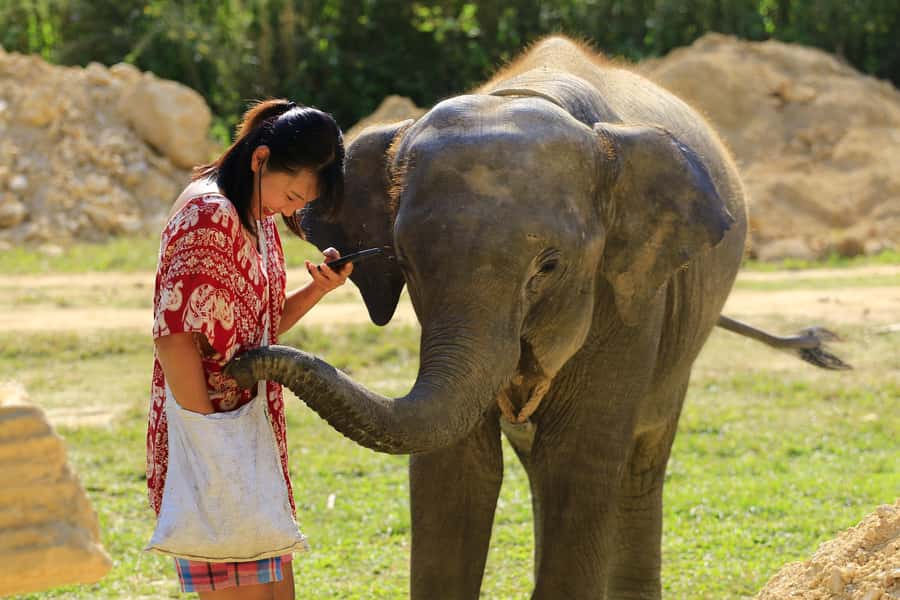
You can choose between a shared group and a private tour.
Group size usually runs anywhere from 1 to 30, depending on the day. In practice, this changes the vibe. A shared group can be lively, and you may see more people around during feeding and mud time. A private tour tends to feel calmer because you have more space and less waiting your turn.
If you’re traveling as a couple or with kids and want the guide’s attention to feel more personal, I’d lean private. If you’re comfortable around others and just want the experience without paying extra, shared is often fine as long as you’re okay with a busier atmosphere.
Who This Phuket Elephant Experience Fits Best
This tour fits best if you want an active, hands-on elephant encounter with a learning component built in.
It’s a strong match for:
- Families who want structured interaction instead of a quick photo stop
- Travelers who care about animal welfare and want to see daily care moments
- People who like practical guidance, like how food prep and skin-care steps work
It might not be ideal for:
- Anyone who hates getting wet or dirty. Mud and pool time are central.
- Travelers who want a purely observational experience with no touching or assisting.
- People who are very sensitive to crowd energy. If that’s you, go private.
Price and Value: Is $83 Worth It in Phuket?
At about $83 per person, this is priced like a real guided experience, not a budget activity. The value comes from what’s included and what you actually do.
You get:
- Hotel pickup and drop-off
- A live English-speaking guide
- Lunch box
- Multiple hands-on care experiences: feeding, mud spa skin care, showers, and natural pool bathing
If you compare it to paying separately for transportation, a guided tour, and a meal, the bundled structure can make sense. Also, the photo support can add value if they email your photos afterward and you don’t have to spend your own time capturing everything.
I’d call it good value when you treat it like a full half-day plan. If you only want a quick look at elephants, you’ll likely feel like you paid for work you didn’t want to do.
Should You Book the Elephant Save & Care Program?
I’d book it if your idea of a great Phuket day is close-up, guided care with Thai elephants, where you feed, scrub with mud, and rinse in a natural pool while learning what the sanctuary is trying to do.
Skip it if you want dry clothes and minimal participation. The mud spa and pool time are the heart of the experience, and they come with real water and cleanup.
If you do book, prepare like a pro: swimwear, a change of clothes, and shoes you don’t mind getting wet and muddy. Plan to arrive ready for pickup time based on the email. Then show up with curiosity, not just a camera. You’ll get a day that feels more like helping with animal care than consuming a souvenir experience.
FAQ
What is included in the Phuket Elephant Save & Care Program Tour?
The tour includes hotel pickup and drop-off, a guide, and a lunch box. You’ll also take part in the feeding, mud spa skin-care routine, shower, and bathing in the natural water pool.
How long is the tour?
The duration is listed as 2 hours to 210 minutes depending on the session and schedule timing.
What time are the morning and afternoon sessions?
For the morning session, pickup is between 07:30 and 08:30 with the program starting around 09:00. For the afternoon session, pickup is between 11:30 and 12:30.
What should I bring?
Bring swimwear and a change of clothes. You should be ready to get wet and muddy during the activities.
Are there private or shared group options?
Yes. You can choose between a shared group or a private tour / small groups. Group size can range from 1 to 30 depending on the day.
Is this experience good for kids?
The tour includes guided, hands-on tasks like feeding and mud-and-water care, and the structure can work well for families. You should still plan for wet and muddy conditions and follow the guide’s instructions closely.
More Tours in Phuket

More Tour Reviews in Phuket


More Time With Phuket's Elephants
Keep exploring Phuket and the Andaman coast




Ethical Elephant Encounters, compared.
 ★ 4.8Elephant Jungle Sanctuary Ethical Feeding ExperienceFrom $284,359 reviews
 ★ 4.8Elephant Sanctuary Guided Tour with Hotel TransfersFrom $412,020 reviews
 ★ 4.9Elephant Jungle Sanctuary Half-Day Visit with MealFrom $901,800 reviews
 ★ 5.0A Morning with the Elephants at Phuket Elephant SanctuaryFrom $971,693 reviews
 ★ 4.8Lily Elephant Half day Trip on the Beach with lunchFrom $831,420 reviews
 ★ 4.7Elephant Experience with Lunch or Dinner and PickupFrom $671,387 reviews
 ★ 4.8Elephant Jungle Sanctuary Feed and Shower TripFrom $611,056 reviews
 ★ 4.9Beach walk with elephants, rain & care. 2.5 hoursFrom $59969 reviews
Browse the lists this tour appears in