
Reviewed · ETHICAL ELEPHANT ENCOUNTERS
Phuket:Beach walk with elephants, rain & care. 2.5 hours
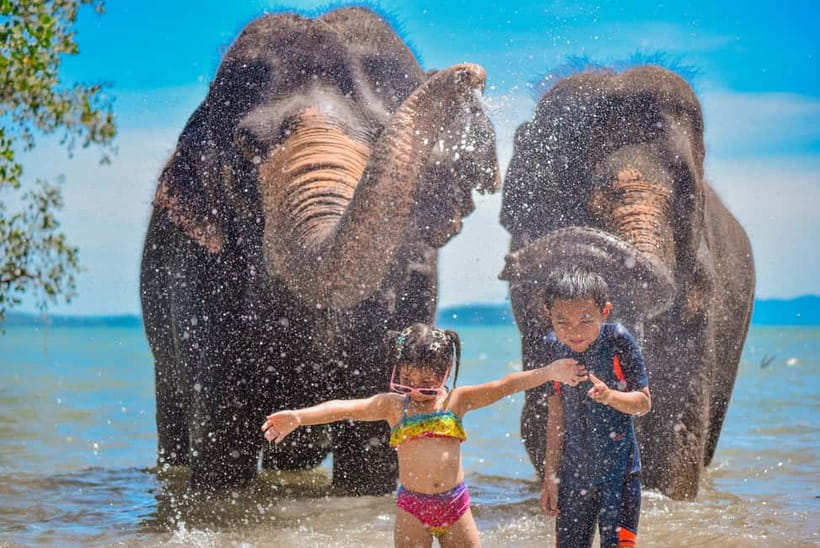
Elephants, rain, and a sea bath in Phuket. At Lily Elephant Camp you get a short jungle walk and then hands-on time at a private beach—feeding, brushing, and even making vitamin balls—along with a calm, conservation-focused guide briefing. One thing to plan for is the ocean portion: sharp rocks (and even sea-urchin cuts) have been reported when people went without solid water footwear.
The camp is a coastal sanctuary set up in 2023 after relocating from Siray to the Yamu area near Paklok. In some groups you may be with a guide such as Kim, who’s known for keeping the experience friendly while you wash with elephants and help with their post-session care. Schedule-wise, you can also lose some time on pickup and drop-off if your hotel is early or late on the route.
In This Review
- Key things that make this elephant tour worth your time
- Lily Elephant Camp: a coastal Phuket sanctuary near Yamu
- The 150-minute flow: how the 2.5 hours actually feel
- Jungle walk and elephant feeding: what you’ll do beyond photos
- Sea bathing and the private beach “spa” time
- Photo notes that help you spend smarter
- Making herb/vitamin balls and elephant supplement care
- Why the camp’s ethics matter for your decision
- Price and transfers: where your money really goes
- Transfers can change the true total
- Who should book this Phuket elephant experience (and who might pause)
- What to pack so the day stays comfortable
- Quick ethical checklist: what to look for at any elephant sanctuary
- Should you book Lily Elephant Camp with the elephants?
- FAQ
- How long is the Phuket elephant beach walk experience?
- What activities are included at Lily Elephant Camp?
- Do I need to bring swimwear and a towel?
- Is hotel pickup included?
- Are transfers free?
- Is professional photography included?
- Are drones allowed?
Key things that make this elephant tour worth your time
- A 15–20 minute walk in nature with elephants rather than a quick viewing stop
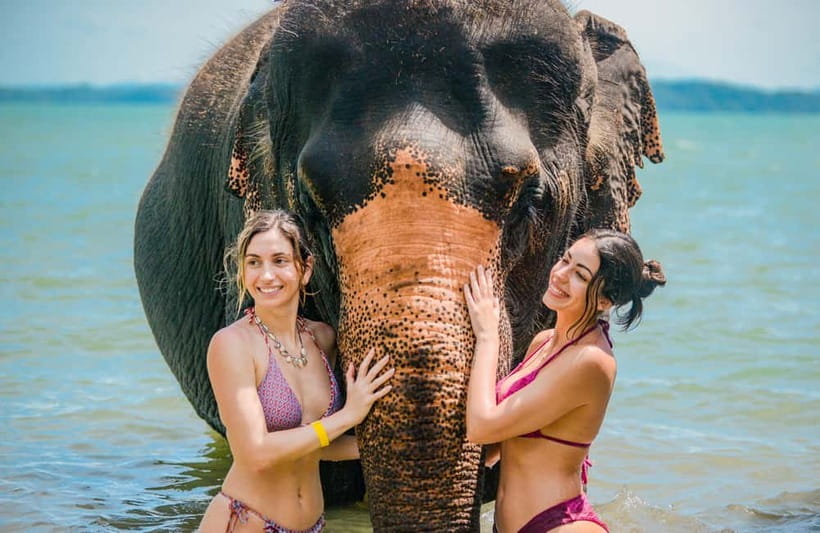
- Private beach brushing and sea bathing, including bathing the elephants and yourself
- Herb-vitamin ball prep as part of daily elephant care
- A rainshower moment that feels more like elephant “spa time” than a show
- Feeding in a natural habitat with an education-first approach to Thai elephant welfare
Other ethical sanctuaries where you meet the herd, not ride it
- Phuket: Elephant Jungle Sanctuary Half-Day Visit with Meal★ 4.9 · 1,800 reviews
- Phuket: Elephant Save & Care Program Tour★ 4.8 · 1,790 reviews
- A Morning with the Elephants at Phuket Elephant Sanctuary★ 5.0 · 1,693 reviews
- From Phuket: Elephant Jungle Sanctuary Feed and Shower Trip★ 4.8 · 1,056 reviews
Lily Elephant Camp: a coastal Phuket sanctuary near Yamu
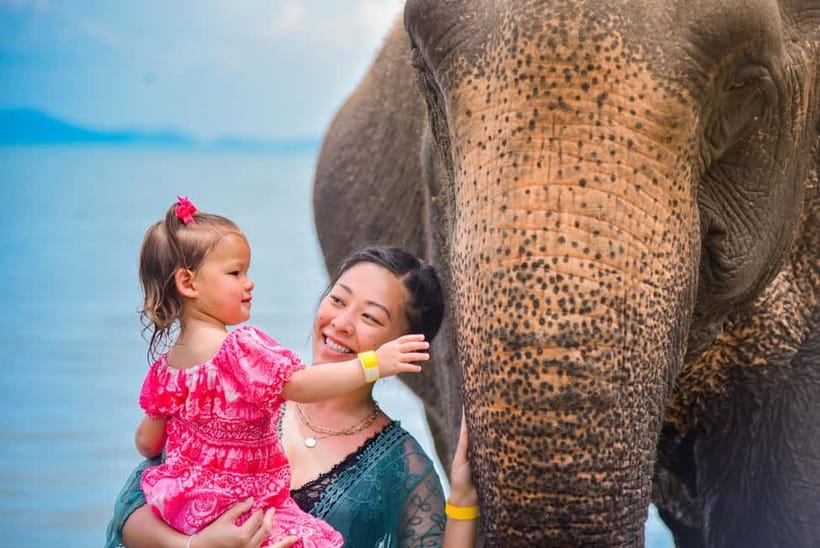
Most Phuket elephant experiences are either short photo stops or full-on performance-style encounters. This one is structured around time and contact that feels closer to routine care: you’re walking, feeding, bathing, and learning, all in a coastal setting.
Lily Elephant Camp (opened in its current location in 2023) sits on a 20-acre natural habitat near Yamu, Paklok. The camp’s story matters because it’s aimed at conservation and education, not entertainment through riding or forced behavior. The experience is built around what caretakers and mahouts do day to day—so your “aha” moment isn’t just seeing elephants up close, it’s understanding why the camp runs the way it does.
And the coastal part is real. You’re not just doing a land encounter and then leaving. The program includes sea bathing and brushing at a secluded beach, with ocean views in the background while you learn elephant behavior and care.
The 150-minute flow: how the 2.5 hours actually feel
The total program is about 150 minutes, which is long enough to feel like more than a photo op. You’ll move through several phases that each take you closer—first on land, then into the water, then into the hands-on care side of the session.
You generally start with getting oriented and spending time at the camp, then you’re guided into the elephant viewing and jungle walk segment. After that comes the best-known part: feeding and bathing in the sea at the private beach, plus brushing and showering.
The last stretch focuses on the “care” side—helping prepare natural supplements (often described as herb/vitamin balls) so the elephants get healthy feedings as part of the day. The session ends with you already wet, muddy in places (expect it), and emotionally attached in the way that only elephant time can do.
Jungle walk and elephant feeding: what you’ll do beyond photos
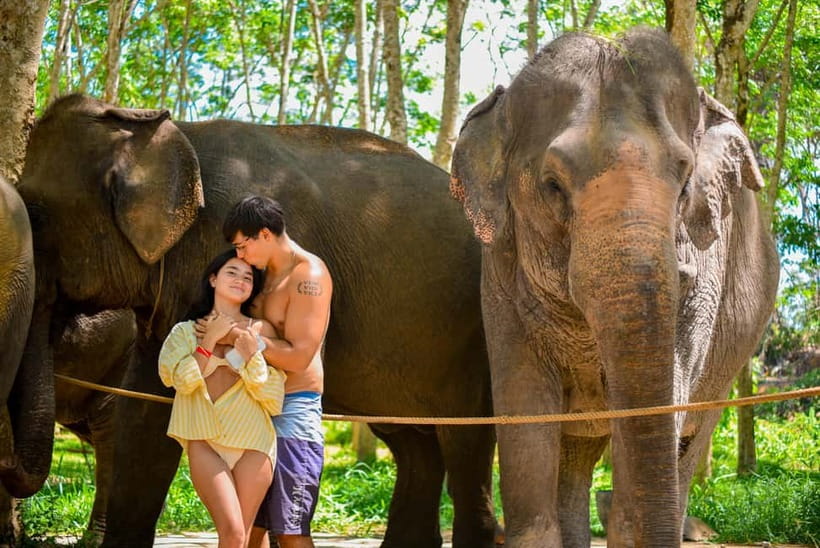
This is not an approach where you keep a distance while people do everything. You’ll spend time walking with elephants (about 15–20 minutes in nature) and feeding them. That matters because feeding and walking involve reading the elephants’ body language and staying calm while they decide what’s next.
During the jungle portion and feeding time, the guides cover elephant welfare in Thailand and why humane sanctuaries are part of the long-term solution. The camp’s core promise is that elephants are not used for riding, not kept in chains, and cared for as part of their day.
Also, the elephants here are described as relaxed and social. In practice, that means you’ll likely feel a lot of proximity—close enough to brush and interact, but still guided with safety rules. One repeat theme from people who’ve done this is that it doesn’t feel rushed. You’re given time for the elephant interactions and time for your own photos without constant pressure.
Sea bathing and the private beach “spa” time
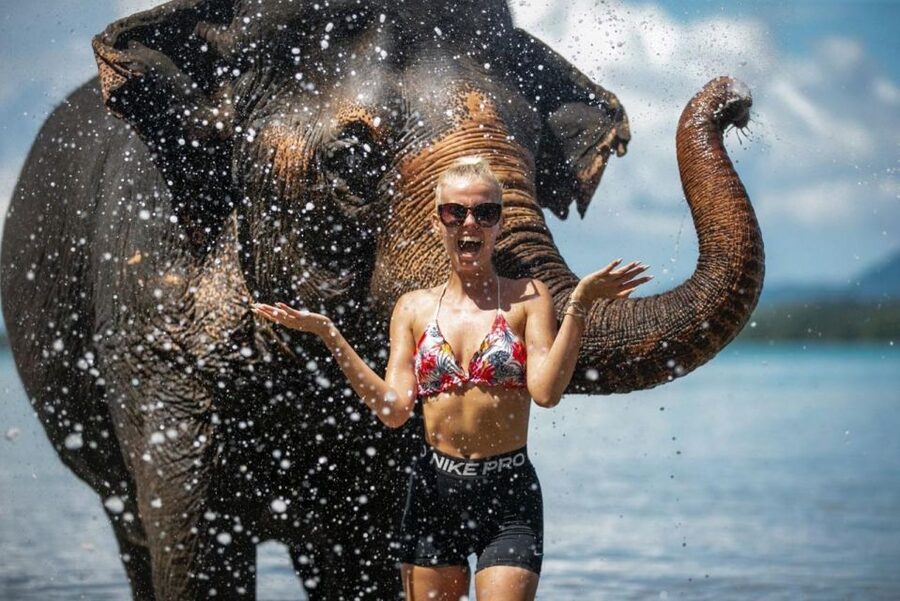
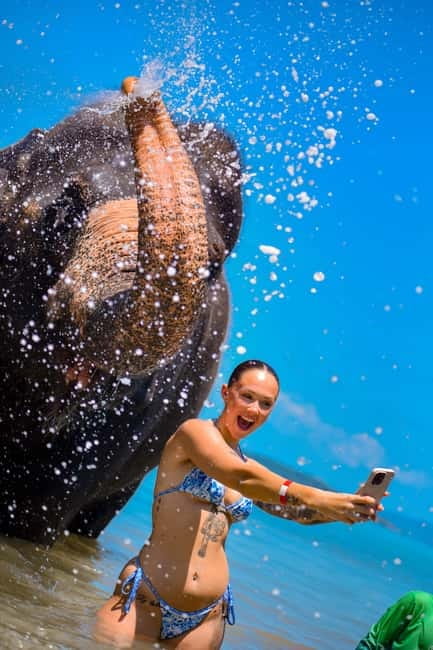
If you only remember one part of this tour, it should be the water segment. This is a seaside sanctuary experience, and it includes swimming/bathing with elephants in the sea at the private beach.
Here’s what the experience looks like in real-life terms:
- You and the elephants get into the water, and you’re part of the bathing moment.
- After the sea portion, you help with brushing and a rainshower-style refresh.
- At the end, the elephants are washed down and the session naturally transitions toward elephant supplement care.
It’s fun. It’s also practical: you’ll want to treat this as a full swim outing, not just a “maybe I’ll get wet” situation. And because water access involves rocks and natural unevenness, plan for the reality that you can get cuts if you don’t protect your feet. One of the best bits of advice I can give is simple: bring proper water shoes so you’re not negotiating sharp rocks barefoot.
A few more things to do around Phuket worth comparing






Photo notes that help you spend smarter
You’ll likely be tempted by professional photos, since they’re offered on-site. The helpful part: paying for your own images is not described as forced. The caution part: the professional photo package can be expensive (one common figure shared is around 1,500 THB for digital photos). If you’re on a budget, be ready to mostly rely on your own camera/phone—and treat the pro shots as optional.
Making herb/vitamin balls and elephant supplement care
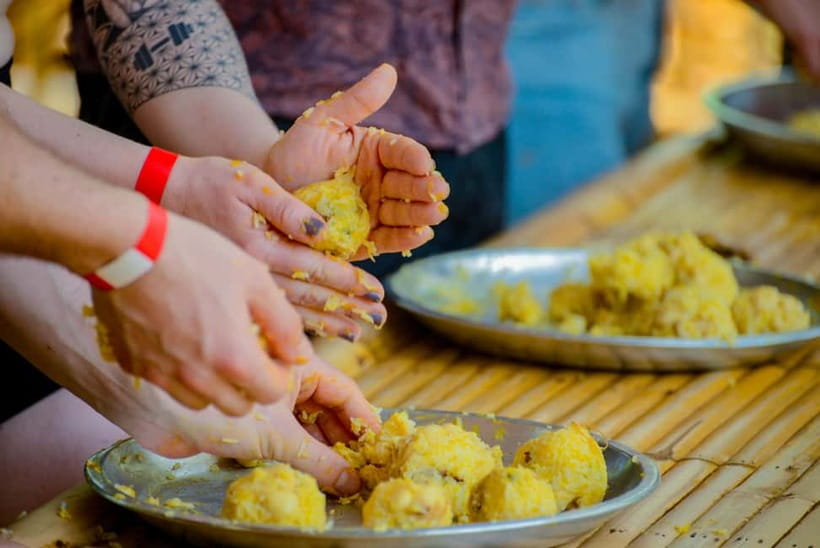
One of the quietly impressive parts of this program is that you’re not only watching care—you participate in it.
After the main interactions, you prepare natural vitamin supplement food (often described as herb balls). It’s a hands-on step that connects your experience to the broader mission: elephants need consistent care and nutrition, and the camp’s routines aim to support their health.
This part also tends to change how you remember the day. Sea bathing is emotional. But the supplement-making moment gives you a “now I get it” feeling. You leave knowing you didn’t just have a contact session—you helped with a care task, under guidance.
Why the camp’s ethics matter for your decision
Elephant tours in Thailand are a minefield if you care about animal welfare. What makes Lily Elephant Camp easier to trust is that its entire pitch is built around humane care: elephants here are described as being free from chains, not ridden, and protected from the kinds of practices that often show up in less ethical elephant attractions.
The experience also includes education from volunteers and guides. You’ll hear why elephant welfare matters and why people are encouraged not to support unethical entertainment. That briefing is one of the reasons many people leave feeling both emotional and informed, rather than just wowed.
That said, you should go in with a clear mindset: this is still an animal-care environment with real safety rules and real water conditions. Your job is to follow instructions, keep your actions gentle, and respect the elephants as animals with preferences—not props.
Price and transfers: where your money really goes
The listed price is $59 per person (about 2.5 hours on-site). What’s included is more than “watching elephants”:
- Feeding and elephant care interactions
- A jungle walk (about 15–20 minutes)
- Sea bathing and helping bathe the elephants
- Brushing and rainshower refresh
- Herb/vitamin ball supplement prep
- An English-speaking guide (English/Thai language support is mentioned)
- Accident insurance
- Elephant food included
So when you compare this to shorter, cheaper encounters, the value comes down to contact time and the number of care-related activities packed into those 150 minutes.
Transfers can change the true total
Hotel pickup/drop-off in Phuket City, Old Town, Kata, Karon, and Patong is included only if you select the transport option during booking. If you’re elsewhere, there are stated transfer fees (for example, 300 THB per person for standard transfer zones like Panwa, Chalong, Rawai, and others). If you book Program Only and later want the shuttle, an additional fee can apply.
Bottom line: if you’re staying near the included pickup zones, you’ll feel like the price is tighter and easier to justify. If you need a long taxi ride, budget your transport carefully so you don’t end up surprised at checkout.
Who should book this Phuket elephant experience (and who might pause)
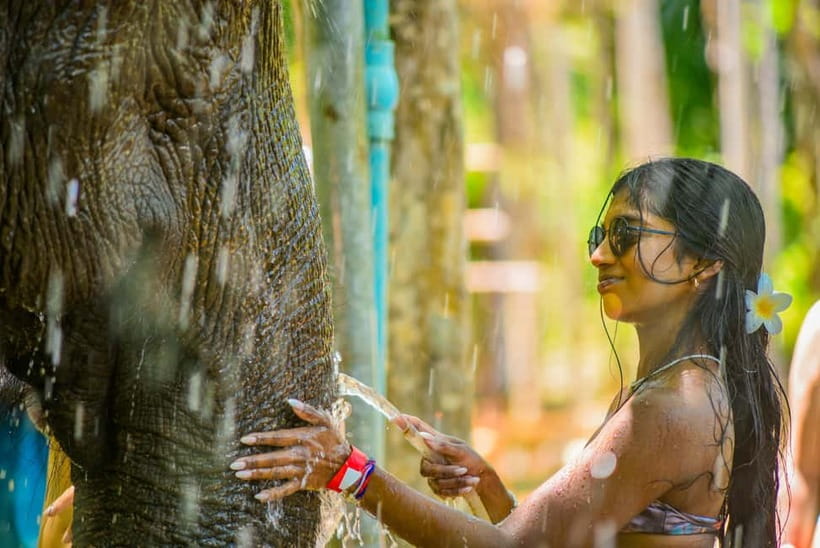
This is a great fit if you want:
- A hands-on elephant interaction (feeding, brushing, bathing)
- A sanctuary-style experience focused on care and education
- A day that includes both land and water activities, not just one quick segment
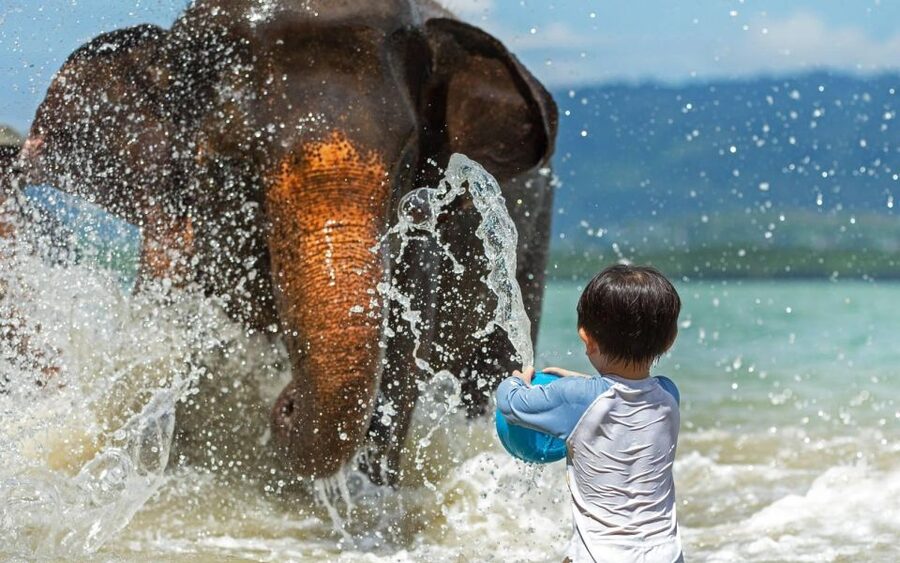
It can also be family-friendly. People have mentioned bringing young kids (including a 3-year-old) and feeling it worked well. The key is managing expectations: you’re wet and you’re moving around, so children will need supervision and safe footwear.
You might think twice if:
- You don’t want to get into the sea (the bathing portion is a central feature)
- You have mobility limits that make water access tough (the experience notes wheelchair accessibility, but it still involves entering the sea)
- You’re extremely sensitive to the idea of close animal contact in general, even in a sanctuary setting
Also, if you have allergies or medical conditions, the program asks you to note them in advance so the camp can plan accordingly.
What to pack so the day stays comfortable
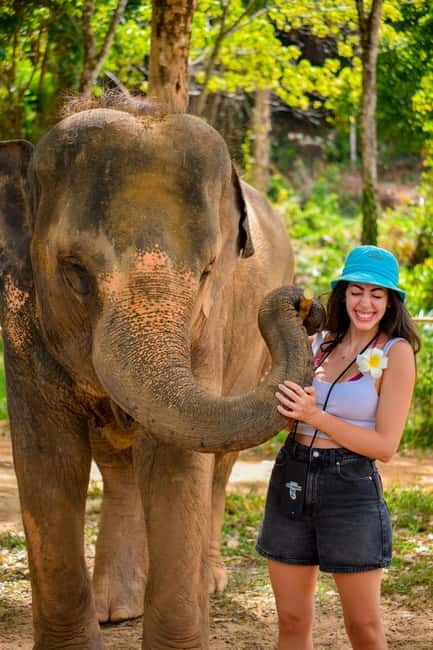
This outing is built around wet, sunny, natural conditions. Bring:
- Swimwear
- Change of clothes
- Towel
- Sun hat and sunglasses
- Sunscreen and biodegradable sunscreen
- Biodegradable insect repellent
- Camera
- Cash
And don’t skip water footwear. The day includes sea bathing and natural shoreline terrain. Proper shoes can prevent the kind of sharp-rock and sea-urchin cuts that have been reported.
One more practical tip: organize your phone/camera so you can access it quickly when the elephants are close, but keep it secure when the water gets active. You’ll get plenty of moments, and you’ll want to be able to grab them without panic.
Quick ethical checklist: what to look for at any elephant sanctuary
If you’re an animal-welfare traveler, use this simple checklist to compare sanctuaries in Thailand:
- Does the camp emphasize no riding and no chains?
- Is your time spent on care tasks (feeding, brushing, bathing, learning)?
- Do you get an education briefing on why unethical practices harm elephants?
- Does the schedule prioritize the animals’ wellbeing rather than forcing performance moments?
Lily Elephant Camp checks several of these boxes based on how the program is described. It’s not just an interaction; it’s framed as conservation and education with hands-on care.
Should you book Lily Elephant Camp with the elephants?
I’d book this if you want a Phuket elephant experience that feels like animal care work mixed with a truly seaside setting—jungle walk, sea bathing, brushing, rain shower, and supplement prep in one smooth block of time.
I’d pause if you’re worried about water conditions, sharp shoreline terrain, or you strongly dislike the idea of being in extremely close contact with large animals. In that case, you may prefer a more viewing-focused option.
If you do book, go prepared for wet weather, protect your feet, and treat the photo packages as optional—not mandatory. The best value is the time with the elephants doing real care routines, not the extras.
FAQ
How long is the Phuket elephant beach walk experience?
The program duration is about 150 minutes, or roughly 2.5 hours.
What activities are included at Lily Elephant Camp?
You can expect elephant feeding, a jungle walk with elephants (about 15–20 minutes), bathing and showering them in the sea, brushing, preparing natural vitamin/herb balls, and wildlife viewing time.
Do I need to bring swimwear and a towel?
Yes. The recommended packing list includes swimwear and a towel, plus a change of clothes for after the sea bathing.
Is hotel pickup included?
Hotel pickup and drop-off for Phuket City, Old Town, Kata, Karon, and Patong is included only if you select the transport option during booking.
Are transfers free?
Not automatically. Transfer fees are listed for standard transfer zones (300 THB per person). On-demand transportation fees can apply for guests who book Program Only and later request shuttle service.
Is professional photography included?
Professional on-site photography is not included. It’s available as an extra service, with rates starting from 300 THB.
Are drones allowed?
No, drones are not allowed.
More Walking Tours in Phuket
More Tour Reviews in Phuket





More Time With Phuket's Elephants




Keep exploring Phuket and the Andaman coast






Ethical Elephant Encounters, compared.
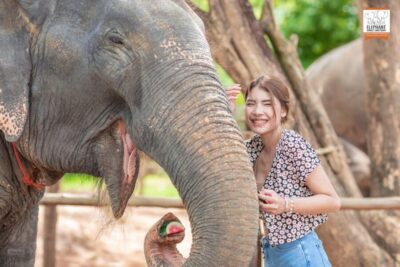 ★ 4.8Elephant Jungle Sanctuary Ethical Feeding ExperienceFrom $284,359 reviews
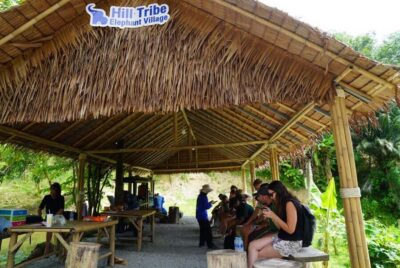 ★ 4.8Elephant Sanctuary Guided Tour with Hotel TransfersFrom $412,020 reviews
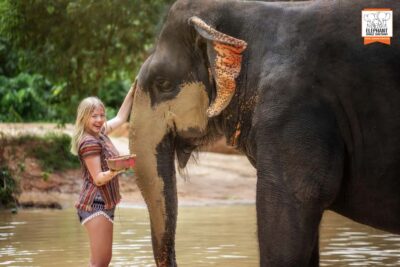 ★ 4.9Elephant Jungle Sanctuary Half-Day Visit with MealFrom $901,800 reviews
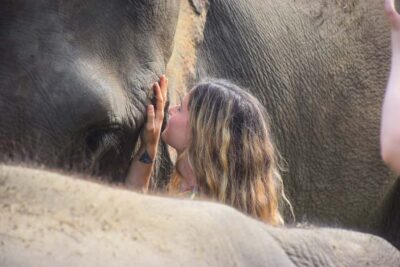 ★ 4.8Elephant Save & Care Program TourFrom $831,790 reviews
 ★ 5.0A Morning with the Elephants at Phuket Elephant SanctuaryFrom $971,693 reviews
 ★ 4.8Lily Elephant Half day Trip on the Beach with lunchFrom $831,420 reviews
 ★ 4.7Elephant Experience with Lunch or Dinner and PickupFrom $671,387 reviews
 ★ 4.8Elephant Jungle Sanctuary Feed and Shower TripFrom $611,056 reviews
Browse the lists this tour appears in