
Reviewed · ETHICAL ELEPHANT ENCOUNTERS
From Phuket: Elephant Care Experience with Rafting & Zipline
Elephants, then rapids and zipline. This cruelty-free day trip in Phang Nga combines no-riding elephant care with hands-on feeding, mud spa, and river bathing, then adds adrenaline in the form of whitewater rafting and a jungle zipline. One catch: the schedule runs long, and getting there from Phuket can mean serious time in the van.
I like that the elephant part isn’t a quick photo stop. You get a real routine—food prep, feeding, a mud “cool-down,” then bathing in the river—plus a clear explanation of elephant behavior and care. I also like that the outdoor activities come with structure: safety briefing for rafting and guide-led fun that keeps things moving.
If you’re after an action-packed day that still feels ethical, this mix works. Just know the zipline/rope bridge portion isn’t built for people who need gentle, slow pacing, and kids under 5 can’t take part in the rafting or ziplining.
In This Review
- Key Things I’d Plan Around
- From Phuket Or Khao Lak: The Van Ride That Shapes the Day
- 11:00 AM Rafting on the Song Phraek River (5 km)
- Jungle Zipline and Rope Bridge: Fast Adrenaline, Short Flights
- Elephant Care Park: Mahout Uniforms and Trust-Based Feeding
- Mud Spa and River Bathing: Where the Routine Feels Real
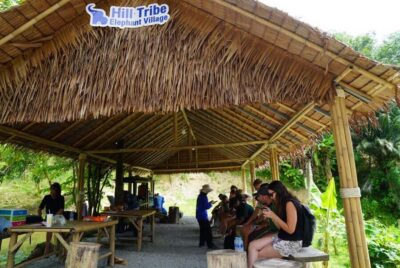
- Thai Lunch, Tea, Coffee, and Recovery Between Activities
- Safety, Suitability, and What to Wear
- Elephant Ethics You Can Actually See in the Details
- Value at Around $77: What You’re Really Paying For
- Should You Book Elephant Care With Rafting and Zipline?
- FAQ
- What elephant experience is included?
- Is elephant riding part of this tour?
- How long is the rafting portion?
- What time does the program start?
- Do I need swimwear and a change of clothes?
- Is it suitable for young children?
- Who should avoid the tour?
Key Things I’d Plan Around
- Cruelty-free elephant interaction with no riding and no hooks
- Mud spa + river bathing that shows how keepers cool and protect elephants
- Rafting on the Song Phraek River (5 km) with safety training included
- Jungle zipline and rope bridge for a fast adrenaline hit
- Thai lunch with fruit, tea, and coffee, plus time to recover between activities
- Transfers from Phuket or Khao Lak (expect a longer day with pickup stops)
Other ethical sanctuaries where you meet the herd, not ride it
- Phuket: Elephant Jungle Sanctuary Half-Day Visit with Meal★ 4.9 · 1,800 reviews
- Phuket: Elephant Save & Care Program Tour★ 4.8 · 1,790 reviews
- A Morning with the Elephants at Phuket Elephant Sanctuary★ 5.0 · 1,693 reviews
- From Phuket: Elephant Jungle Sanctuary Feed and Shower Trip★ 4.8 · 1,056 reviews
From Phuket Or Khao Lak: The Van Ride That Shapes the Day
This is a full-day tour anchored in Phang Nga, so the transfer matters. You’ll be picked up from Phuket or Khao Lak and taken to the activity area, then brought back at the end of the day. Your day starts at 11:00 AM with the rafting schedule, but your actual “on the road” time depends on your pickup location and how many stops your driver makes.
If you’re staying in the far Phuket beaches (Karon and similar areas), plan for extra travel time. In the real world, the ride can stretch to roughly 2.5 hours each way from some Phuket-area locations, which makes this the type of day you do when you don’t need to be anywhere else that night. The good news: the guides keep the day upbeat, and once you hit the park and activities, the hours in the van start to feel like a warm-up.
Also: you’ll be changing out of dry clothes at some point. Bring a small bag you can keep organized, because you’ll likely get wet during rafting and during the elephant bathing segment. A change of clothes isn’t a “nice-to-have” here—it’s the difference between feeling comfortable after.
11:00 AM Rafting on the Song Phraek River (5 km)
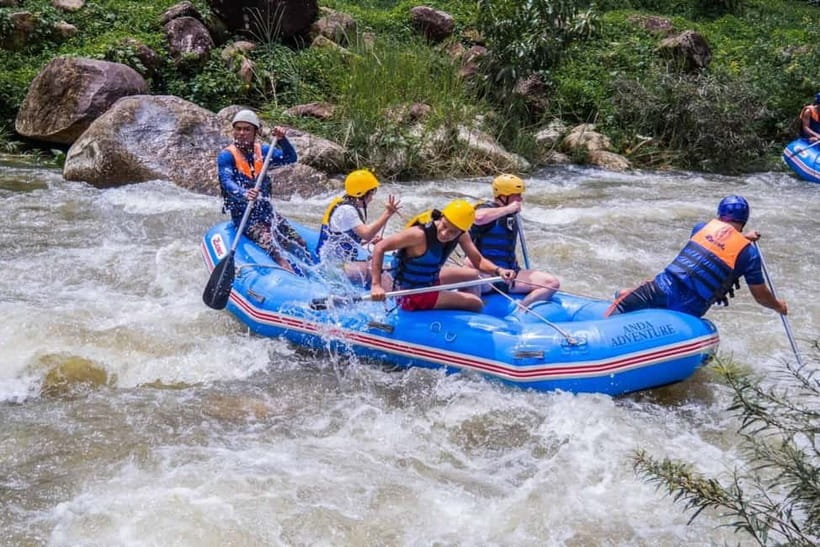
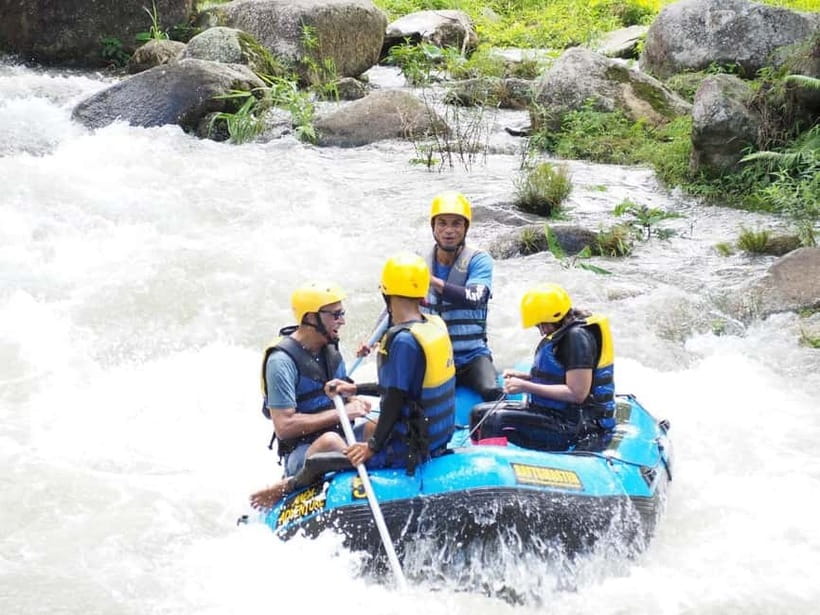
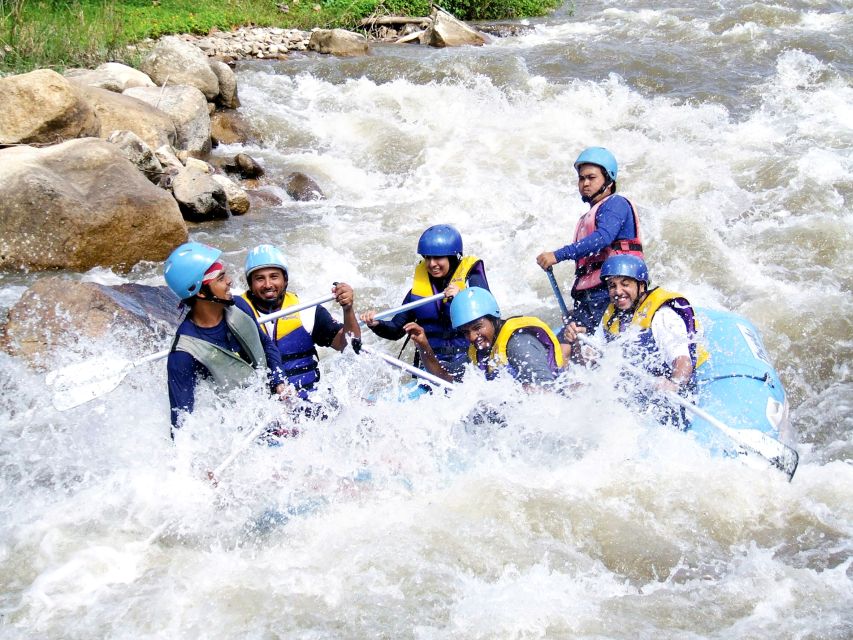
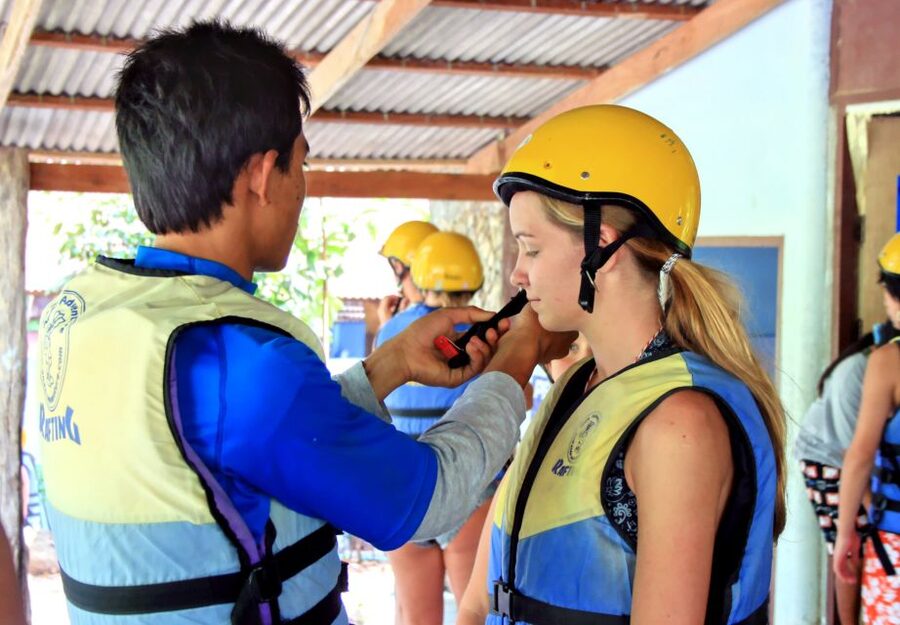
Whitewater rafting is the first big activity block. You’ll get a safety briefing and training before you head into the water, then set off on a 5-kilometer rafting run along the Song Phraek River.
What I like about this setup is that it’s beginner-friendly in spirit. You’re not trying to master paddling while whitewater is happening. The guide-led approach is the point, with staff taking care of the river rhythm so you can focus on the experience and the ride.
How intense it feels depends on season and water level. If you’re rafting during a drier spell, the rapids can be less dramatic than peak wet-season conditions. Either way, it’s still an energetic break after the van ride.
One more real-world note: the river can have other boats. That doesn’t automatically ruin the day, but it does mean you should expect some crowds and a more “active” river atmosphere. The upside is that it can make the rapids feel more chaotic-fun instead of lonely-adventure—especially if your group enjoys the water-splatter moment.
If you want even more time in the raft, there can be options to upgrade the distance beyond the included 5 km. In some cases, people mention add-ons like 7 km or 9 km with extra fees. If that appeals to you, treat it as a value trade: more river time for more money.
Jungle Zipline and Rope Bridge: Fast Adrenaline, Short Flights
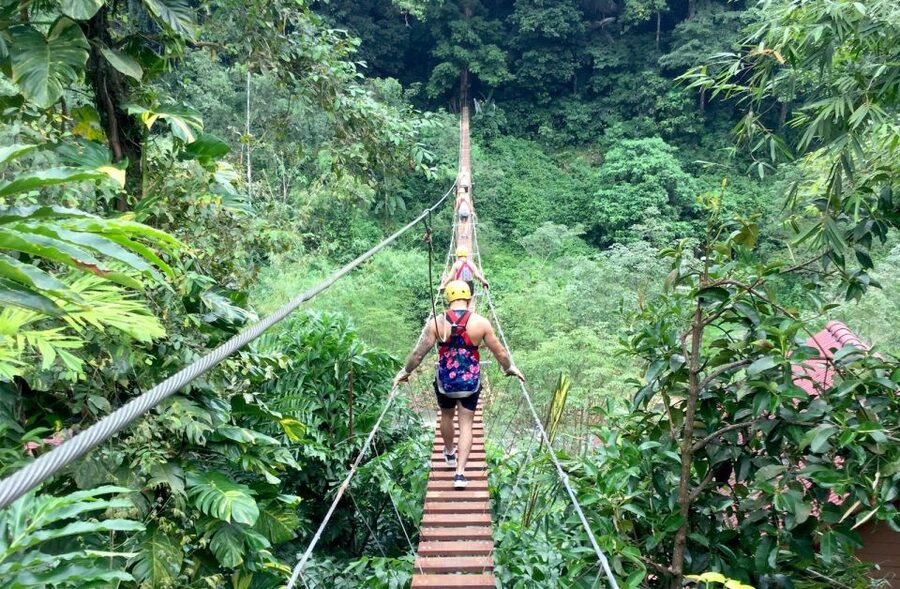
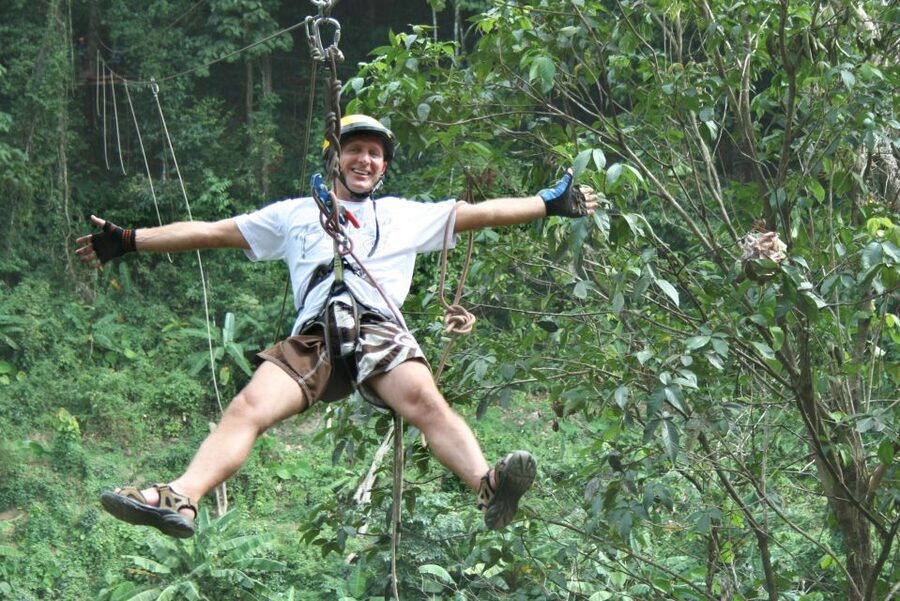
After the rafting block, you’ll switch gears to the jungle structures: zipline plus a rope bridge. This is the moment where the day turns into pure movement—no soaking, just wind and nerves and that quick grin when you realize the staff actually have you covered.
The rope bridge and zipline can be fun even for first-timers. Safety guidance is part of the experience, and the staff are active about keeping everyone comfortable and moving at the right pace. Still, plan your expectations: the zipline portion isn’t presented as a long, multi-line park. Some people find it shorter than they wanted, so if you’re chasing hours of cable time, you may feel like you’re done a little fast.
A practical tip: wear something you don’t mind getting scuffed or damp. Even if ziplining happens after rafting, you’ll still be in “outdoor day” clothing. The day is built around getting wet and then shifting to the next activity without much downtime.
Elephant Care Park: Mahout Uniforms and Trust-Based Feeding
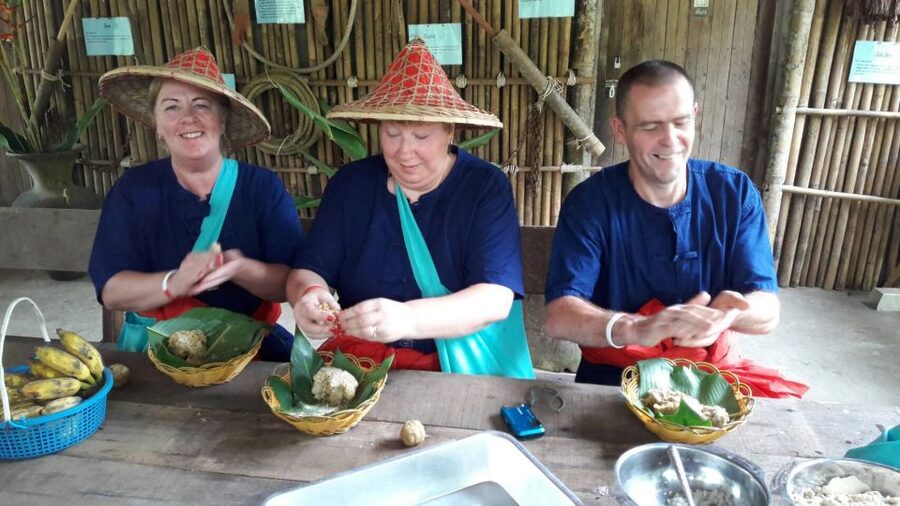
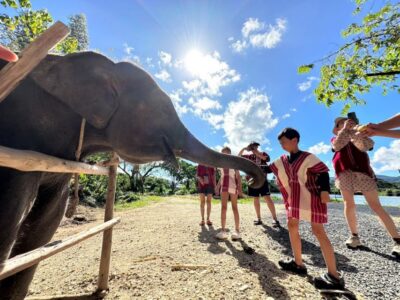
Now for the part that most people remember first: the Elephant Care Park experience. After your rafting and zipline time, you’ll transition into elephant care with a traditional Mahout uniform and bamboo hat—more than costume, it signals that you’re joining a routine, not “booking a photo moment.”
You’ll start with an introductory training session on the park and elephant care basics. This is where the day turns from thrill to meaning. You learn how elephants behave, what keepers pay attention to, and what safe, respectful interaction looks like.
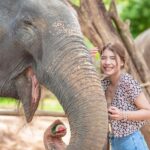
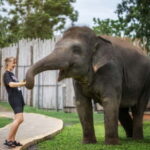
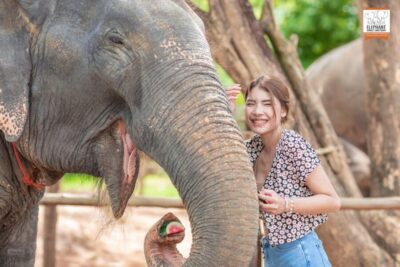
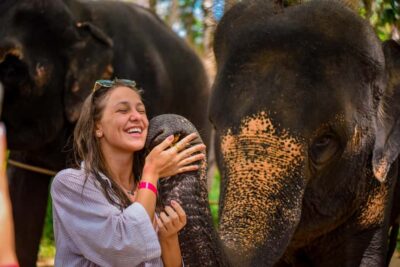
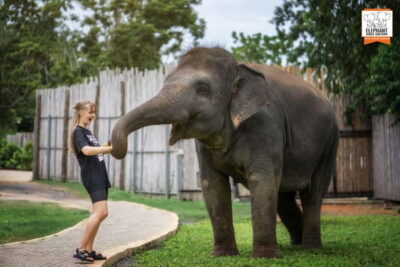
Then comes the hands-on work: you help prepare special food for the elephants and then feed them. Feeding focuses on trust and careful handling by staff. The food you’ll use includes bananas and sugarcane.
One detail I think matters: this sanctuary doesn’t use hooks. That means you won’t see the kind of harsh tools that make some elephant experiences feel wrong. Instead, mahouts may guide elephants by the ears if they need to direct movement during interactions. It’s part of the safety and care approach here, and it’s also why the experience feels controlled without being forceful.
A nice bonus: the elephant interactions can become very personal when your group is small. Some people get extra one-on-one time and even opportunities to keep pace with an elephant’s preferences, rather than the elephant being marched into a script.
More ATV trails and zipline runs through the jungle



Mud Spa and River Bathing: Where the Routine Feels Real
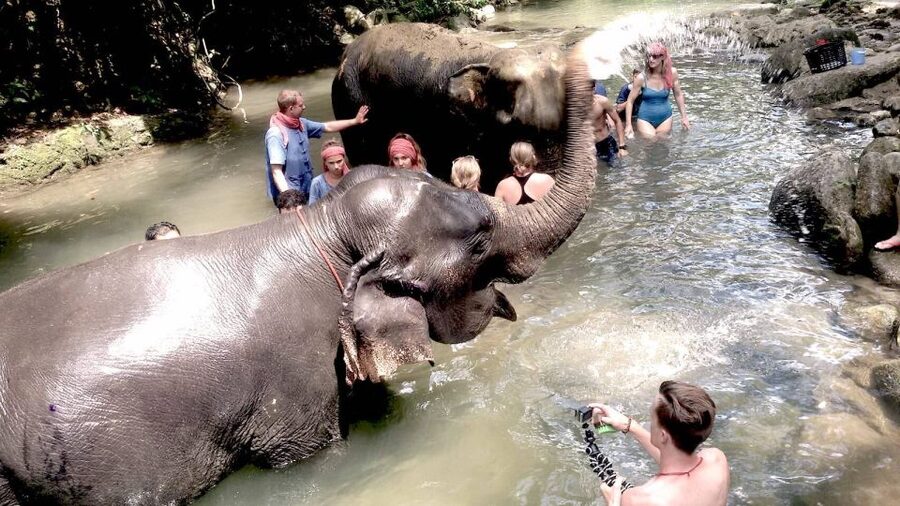
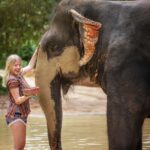
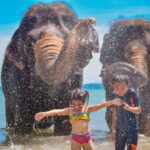
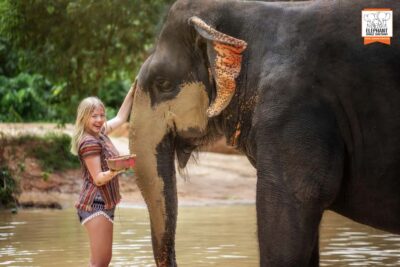
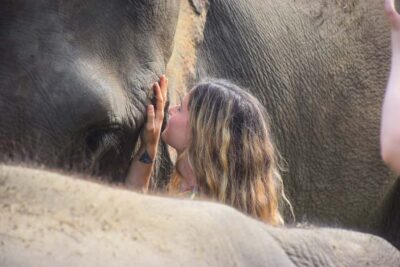
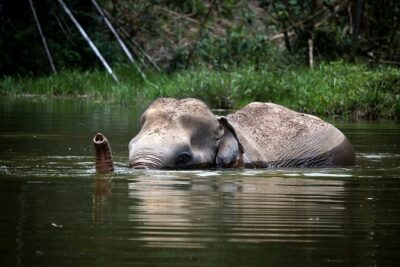
This tour treats the elephant’s “cool-down” routine as part of the experience, not a side show. After feeding, elephants get a mud spa—then you’ll move into bathing the elephants in the river and cleaning the mud off.
This sequence is a big reason the whole day feels more authentic. Mud isn’t just messy entertainment. Keepers use it to cool elephants down and help protect them from parasites. Watching it from the human side, you can actually see how the routine supports the elephant’s wellbeing.
The river bathing part is where you’ll feel the day for real. Expect to get splashed. Swimwear helps, and having dry clothes ready for afterward is huge. This isn’t a “stay perfectly clean while bonding with elephants” situation. It’s a hands-on care moment, and that’s the point.
Also: you may not get a scripted interaction every time. Elephants have moods. The staff work around the elephants’ responses, which means the experience is designed to respect elephant comfort rather than forcing a fixed itinerary for your benefit.
If you’re an emotional person, this section can hit hard—in a good way. People often describe feeding and bathing as the highlight because it feels like caring, not consuming.
Thai Lunch, Tea, Coffee, and Recovery Between Activities
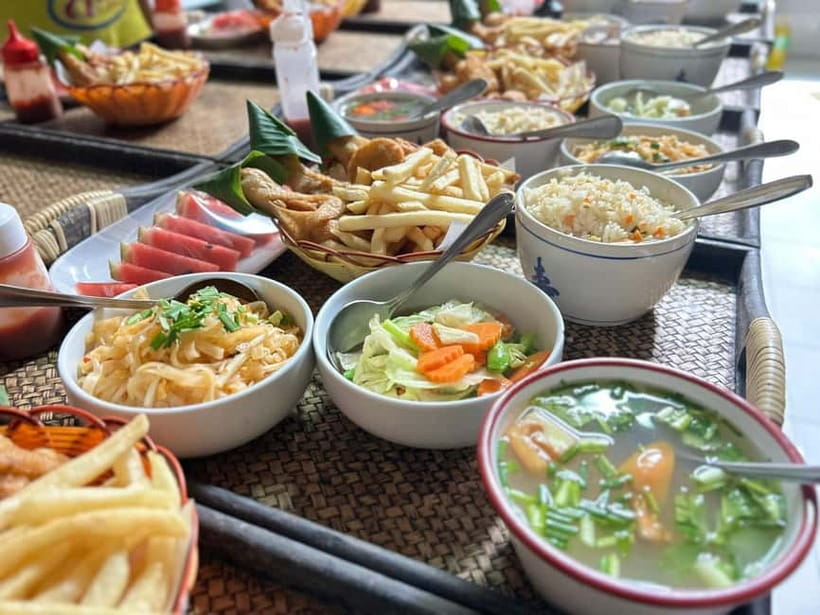
Between adrenaline and elephant care, you get a traditional Thai lunch. The meal includes fresh fruit, plus tea and coffee after the outdoor portion.
I like that the lunch is part of the structure, not a random “find food somewhere” situation. After rafting and zipline, you need a break to reset your body and your brain. Here, that reset is built in.
Food quality is a common positive. People specifically call out lunch as fantastic and catering-friendly, including at least one vegan-friendly experience. So if you have dietary needs, it’s worth asking in advance what they can accommodate.
You’ll also have tea or coffee breaks, which matters more than it sounds. This is a long day with water activities, and the drinks give you a chance to cool down and regroup before the elephant portion.
Safety, Suitability, and What to Wear
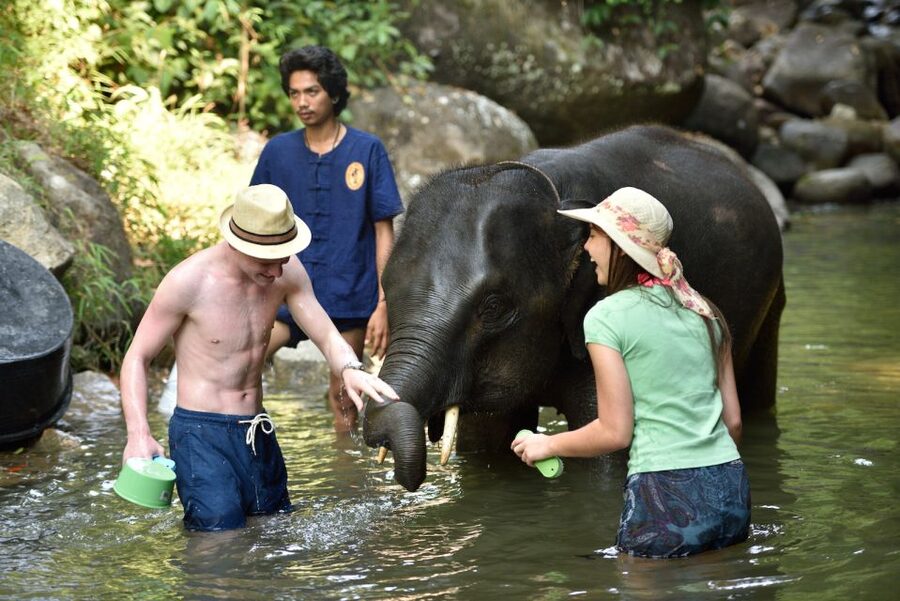
This is an active tour, and the “wearing the day” part matters. You should bring swimwear and a change of clothes. Many parts involve water—rafting splashes and the elephant bathing segment—so dry clothes after matter for comfort and sanity.
The tour also isn’t for everyone. It’s not suitable for pregnant women, and it isn’t recommended if you have back problems or heart problems. Whitewater rafting and active movements aren’t gentle on bodies, even when guided well.
Zipline and rafting have a minimum age rule: children under 5 can’t participate in the ziplining or rafting activities.
If you’re nervous about the rafting, that’s normal. The day includes a safety briefing and training, and the guides actively help people get through each stage. Still, you should consider your comfort with being in moving water and getting splashed.
Elephant Ethics You Can Actually See in the Details
You’ll see how this sanctuary approaches elephant welfare through the rules and how staff interact with animals.
First: no elephant riding. This is a big deal, because elephant riding is often where exploitation creeps in for visitors who just want a quick ticket to a memorable picture. Here, you’re interacting through feeding and care routines instead.
Second: no hooks. That matches what you want to avoid when you’re searching for an ethical elephant experience. The absence of hooks—and the use of safer guidance methods—changes the tone of the day from domination to caretaking.
Third: elephants aren’t treated like locked-in props. People describe elephants as living in open spaces and moving freely, with staff adapting interactions to the elephants’ moods. That’s what makes the experience feel less like a show and more like a working care environment.
One more point: you’ll likely feel well supported throughout. Guides and mahouts are working in a way that prioritizes safety for both humans and elephants, including directing movement without harsh tools and giving visitors clear expectations.
If you’re strongly committed to cruelty-free travel, this tour aligns with that goal in a way you can observe.
Value at Around $77: What You’re Really Paying For
At about $77 per person, you’re buying more than a standard attraction. You’re getting a package-style day that bundles transport, elephant sanctuary access, a full Thai lunch, plus two adventure activities.
Here’s where the value becomes real:
- Elephant care time with feeding and bathing is typically the expensive part of ethical elephant experiences, and here it’s included rather than treated as an add-on.
- Whitewater rafting (5 km) with safety training reduces the hassle of booking separate activities.
- Zipline and rope bridge add adrenaline without requiring you to plan another transfer or another tour.
- Hotel pickup and drop-off from Phuket or Khao Lak saves you from hunting schedules and routes on your own.
- Park fees and accident insurance are also included, which helps the price make more sense.
Could you find cheaper? Maybe. But if you care about ethical elephant interaction and want a single day with real variety—nature, water, jungle, and elephant care—this price can feel fair.
Just remember the real cost of a long day: time. If you’re squeezed tight on schedule in Phuket, you may feel like you paid in hours as much as in dollars.
Should You Book Elephant Care With Rafting and Zipline?
Book it if you want an all-in-one Thailand day that mixes ethical elephant care with real outdoor adventure. The feeding, mud spa, and river bathing parts are the heart of the tour, and they’re designed to show you the care routine rather than a ride-and-vanish show. If you also want adrenaline—whitewater rafting plus zipline—you’ll likely feel like you got your money’s worth.
Skip or think twice if long transfers will stress you out, or if you’re dealing with medical limitations like back or heart issues. Also skip if you’re traveling with kids under 5 who need zipline/rafting participation, since that’s not included for that age group.
If you’re in Phuket or Khao Lak and you want one day that feels both active and meaningful, this is one of the better ways to structure it. Plan for wet clothes, bring a change, and treat the elephant portion with patience. The day rewards people who slow down for the caretaking part.
FAQ
What elephant experience is included?
You’ll spend time at the elephant sanctuary for an introduction to park care, then help prepare food and feed the elephants. The experience also includes a mud spa and bathing the elephants in the river, followed by cleaning the mud off.
Is elephant riding part of this tour?
No. This is a cruelty-free experience with absolutely no riding of the elephants.
How long is the rafting portion?
The included whitewater rafting is a 5-kilometer journey along the Song Phraek River.
What time does the program start?
The program starts at 11:00 AM.
Do I need swimwear and a change of clothes?
Yes. Swimwear is recommended, and bringing a change of clothes is important because you may get wet during rafting and while bathing the elephants.
Is it suitable for young children?
Children under 5 years old cannot participate in the ziplining or rafting activities.
Who should avoid the tour?
It is not suitable for pregnant women, and it’s not recommended for people with back problems or heart problems.
Rafting & Waterfalls Inland



Phuket Jungle Adventures
More Time With Phuket's Elephants

Keep exploring Phuket and the Andaman coast


Ethical Elephant Encounters, compared.
 ★ 4.8Elephant Jungle Sanctuary Ethical Feeding ExperienceFrom $284,359 reviews
 ★ 4.8Elephant Sanctuary Guided Tour with Hotel TransfersFrom $412,020 reviews
 ★ 4.9Elephant Jungle Sanctuary Half-Day Visit with MealFrom $901,800 reviews
 ★ 4.8Elephant Save & Care Program TourFrom $831,790 reviews
 ★ 5.0A Morning with the Elephants at Phuket Elephant SanctuaryFrom $971,693 reviews
 ★ 4.8Lily Elephant Half day Trip on the Beach with lunchFrom $831,420 reviews
 ★ 4.7Elephant Experience with Lunch or Dinner and PickupFrom $671,387 reviews
 ★ 4.8Elephant Jungle Sanctuary Feed and Shower TripFrom $611,056 reviews
Browse the lists this tour appears in