
Reviewed · PHUKET SNORKELING & DIVING
Phuket: PADI Advanced Open Water Course 2 days/6 Dives
Six sessions in two days, done right. This Phuket course turns Racha Yai and Racha Noi into your classroom, with PADI Advanced Open Water Diver certification as the finish line. I especially like the small group size (up to 3) and the hands-on coaching that helps you feel more in control underwater. The one thing to watch: the boat can feel crowded, and one past participant felt the onboard food was a bit tight for everyone.
What makes this experience smart for real life is the mix of training and scenery. You’re not just checking off time; you’re working on skills like underwater navigation and deeper-water technique, then practicing them across multiple reef sites with excellent visibility. Just note the schedule keeps you outside in sun and sea all day, so you’ll want to be prepared for heat, salt, and getting wet.
Before you book, read the safety rules closely. You’ll need to confirm medical fitness, and there’s also an air-travel restriction after your last underwater session. If those are not a fit for you, it won’t matter how great the water looks.
In This Review
- Key things to know before you go
- Phuket pickup and the Racha route: how your first day starts
- Inside the PADI Advanced Open Water course: skills that actually matter
- The 50-minute underwater sessions: timing, air limits, and what to expect
- Racha Yai and Racha Noi: reefs, visibility, and why these sites fit Advanced training
- Food onboard: a real plus, with one small caution
- Instructors and the small-group effect: calm coaching makes a difference
- Equipment and eLearning: what you get so you can focus on the water
- Price and value: is $546 worth it in Phuket?
- What to bring, plus the “don’t forget” list for comfort
- Safety, medical fitness, and the 18-hour flight rule
- Who this course fits best in Phuket
- Should you book this Phuket PADI Advanced Open Water course?
- FAQ
- How many days is the Phuket PADI Advanced Open Water Course?
- How many underwater sessions do I complete?
- Where does the course take place?
- Do I need previous scuba certification or to know how to swim?
- What’s included in the price?
- Is hotel pickup and drop-off included?
- How long is each underwater session?
- Are photos or videos included?
- Is there an air-travel restriction after the course?
Key things to know before you go
- Small group (3 participants max), which usually means more attention from your instructor.
- 6 total underwater sessions across 2 days, planned around Racha Yai and Racha Noi.
- PADI eLearning included, plus the package covers certification fees.
- Meals onboard (breakfast, lunch, snacks) make it easier to stay focused on the day.
- Equipment and a pressure-tracking device are included, so you’re not hunting gear around Phuket.
- You don’t need to know how to swim, but you do need to be medically fit for scuba.
More reef stops, snorkel spots and dive sites near Phuket
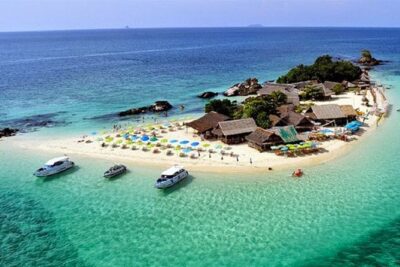
- Phuket: 3 Khai Islands Relax & Snorkeling Half/Full Day Tour★ 4.2 · 2,379 reviews
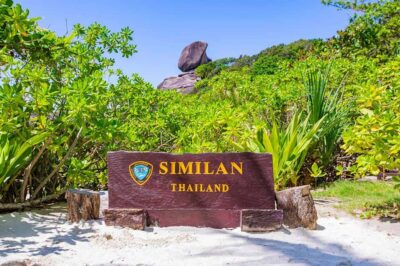
- From Phuket: Similan Islands Snorkeling Trip by Speedboat★ 4.4 · 1,579 reviews
- Phi Phi & Bamboo Islands Snorkeling Tour with Lunch by Speedboat★ 5.0 · 797 reviews
- Phi Phi and Khai Islands Snorkeling Tour with Lunch by Speedboat★ 4.5 · 788 reviews
Phuket pickup and the Racha route: how your first day starts
Your day begins on Phuket mainland with hotel pickup from selected areas, then a short van ride to the pier. The tour is designed to remove friction: you get round-trip transport from neighborhoods like Kamala, Patong, Karon, Kata, and some parts of Rawai, Nai Harn, and Chalong (extra fees may apply beyond that list).
Once you’re at the pier, it’s gear prep time and a quick start-up rhythm: you meet your English-speaking instructor (they may also speak Persian or Thai depending on the team), review your PADI digital materials, and get set up with the full scuba equipment included in the price. If you’ve done some scuba basics already, this part is the easy win. If you’re newer to the process, it’s still straightforward—just ask questions before you step into the boat’s routine.
Then the boat head-out phase happens. The plan is simple: you’ll spend the day working reef sites around the Racha islands. These areas are known for clear water and colorful coral, and that matters because clear water makes it easier to see landmarks for navigation work and enjoy the reefs instead of fighting poor visibility.
Inside the PADI Advanced Open Water course: skills that actually matter
This isn’t just seat time. It’s structured to earn your PADI Advanced Open Water Diver certification through a mix of skills and practice. Over the 2 days, you’ll complete the required training topics and then add a few specialty-style adventure modules chosen based on your interests and sea conditions.
Here’s what the course highlights in plain terms:
- Deeper-water skills: You work on controlled technique for going deeper than typical beginner limits, with an instructor guiding how to manage breathing and buoyancy calmly.
- Underwater navigation: This is the big confidence-builder. Instead of drifting randomly, you learn how to keep a direction, use visual cues, and manage effort.
- Three specialty adventure dives selected for you: The exact specialties are chosen based on what you want and what the water allows, so the course stays flexible.
Between your underwater sessions, you’ll reset onboard with breaks and meals. That’s not just for comfort. It gives your brain time to absorb what you practiced, then apply it the next time you’re in the water.
The 50-minute underwater sessions: timing, air limits, and what to expect
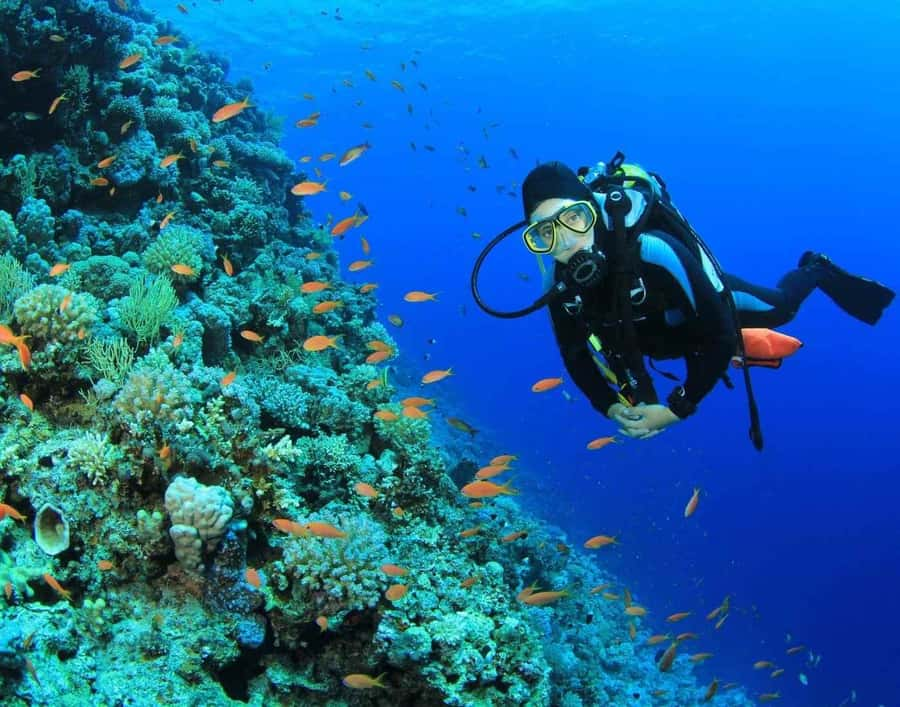
Each underwater session is planned for about 50 minutes or until your cylinder pressure reaches 50 bars, whichever comes first. That “whichever comes first” detail is important because it keeps safety and planning consistent. You won’t be forced to rush to the end of a session, but you also shouldn’t expect unlimited time underwater.
A typical rhythm looks like this:
- a safety briefing,
- a first underwater session,
- break time and lunch,
- then additional sessions later in the day.
The itinerary spreads your practice across multiple stops, which is the part that makes an Advanced course feel real. You get chances to correct technique while conditions are still good, and you’re not repeating the exact same scenario back-to-back.
Also, you can treat the water like a guided workshop. The goal is to build confidence and refine skills so you can handle more independence on future trips—whether that’s in Thailand or somewhere you plan later.
Racha Yai and Racha Noi: reefs, visibility, and why these sites fit Advanced training
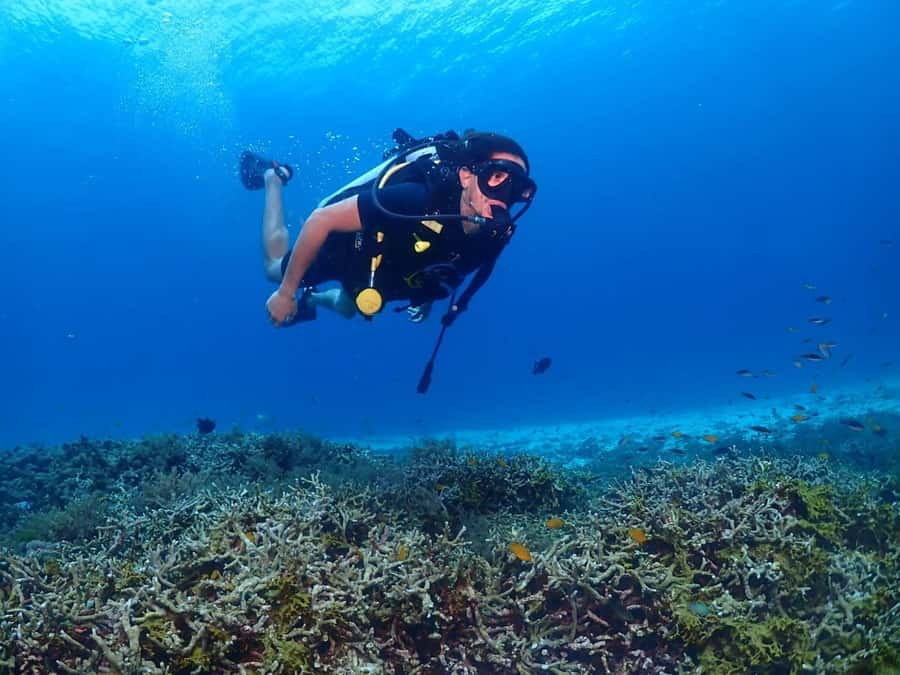
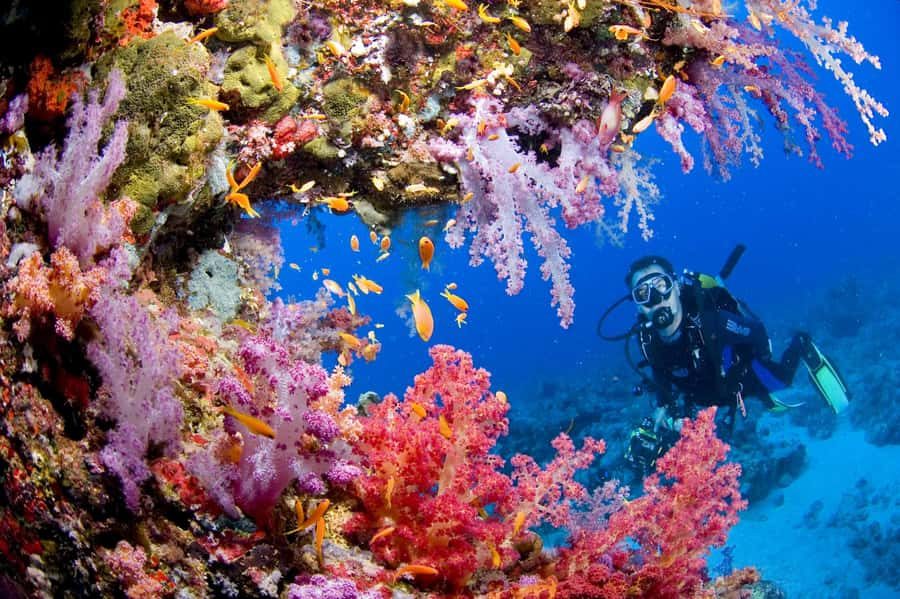
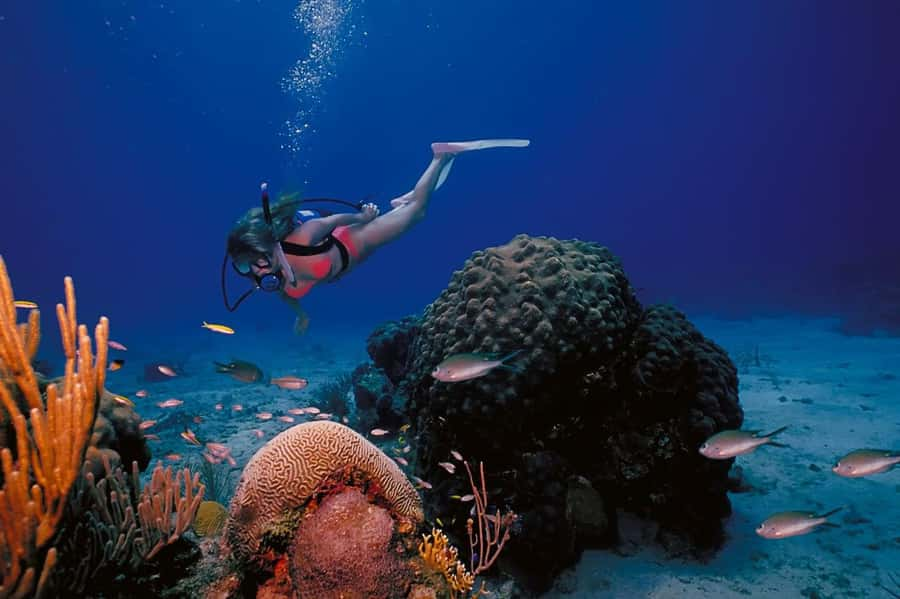
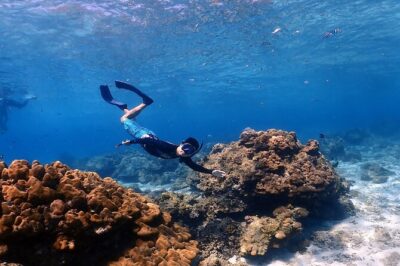
The standout reason to pick these islands is the combination of scenery and clarity. This course runs around Racha Yai and Racha Noi, where you typically get excellent visibility and reef life that makes training feel like sightseeing.
That matters for Advanced skills:
- For navigation, you need landmarks and visual reference points. Clear water helps you actually practice what you’re learning.
- For deeper-water technique, calm conditions and visibility let you focus on buoyancy and trim instead of constantly checking where you are.
- For the overall vibe, it’s more enjoyable to work drills when you can also look around at coral and tropical fish.
If you’re coming for a certification, the environment helps you earn it without feeling like you’re in a classroom that happens to be underwater.
A few more things to do around Phuket worth comparing



Food onboard: a real plus, with one small caution
Meals are included: breakfast, lunch, snacks, and refreshments served onboard each day. Practically, that’s a big deal in Phuket, because you avoid the “eat and run” stress that can mess with your energy level before going in the water.
That said, one key caution from past participants: if the boat is packed, onboard food can feel a bit tight on portions. So don’t rely on the food as your main fuel source if you’re the type who gets hungry fast. If you’re sensitive to crowding or portion sizes, you might want to arrive at the start of the day ready to eat, and consider bringing a small extra snack just for yourself—food is included, but your comfort still matters.
Instructors and the small-group effect: calm coaching makes a difference
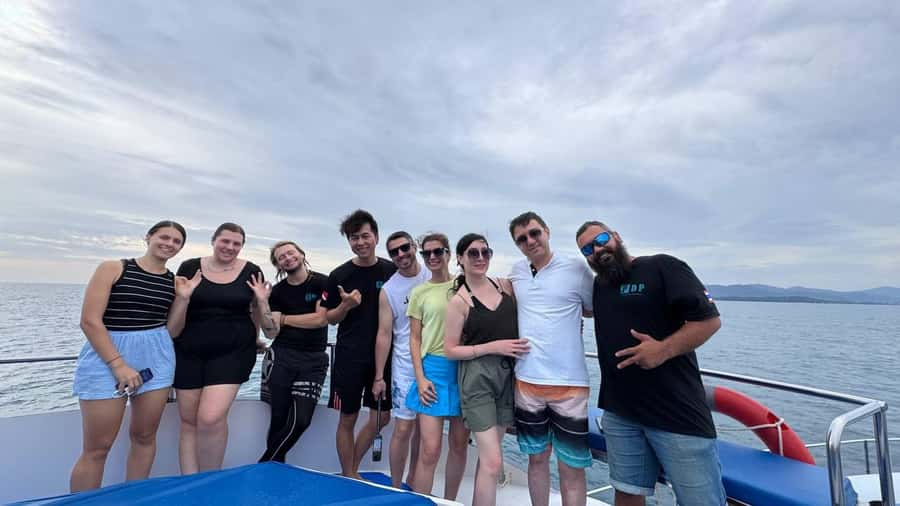
The strongest praise for this kind of course is usually about the instructor. Here, names like Alla and Ben come up as people who explain calmly and keep anxious students comfortable. That kind of teaching style matters, because Advanced training often nudges you slightly outside your comfort zone—especially with deeper-water technique and navigation.
With a group limited to up to 3 participants, you’re more likely to get:
- quicker corrections,
- clearer feedback during skills practice,
- and a higher chance of your instructor noticing small issues early.
Also, you don’t need to know how to swim to participate—so your real learning curve is about scuba skills, buoyancy, and comfort in the gear and water, not swimming ability. That reduces stress for many beginners.
Equipment and eLearning: what you get so you can focus on the water
This package includes a lot that you’d otherwise have to chase down:
- PADI eLearning, including certification fees
- scuba equipment
- a pressure-tracking computer/device
- scuba insurance
- experienced instructors
- boat meals and refreshments
For value, this is the key: the price isn’t just paying for a boat ride. You’re paying for the full course structure—materials, equipment, insurance, and the guided practice needed to earn the certification.
Practical tip: do your eLearning ahead of time if you can. The better prepared you are on paper, the more relaxed you’ll feel when you’re reviewing and gearing up at the pier.
Price and value: is $546 worth it in Phuket?
At $546 per person for 2 days and 6 underwater sessions, the price lands in the “serious but not reckless” category. The value comes from what’s bundled:
- Certification fees and eLearning are included.
- Equipment and a pressure-tracking device are included.
- Insurance is included.
- Meals onboard are included.
- Transport is included from selected areas.
When you add those together, you’re paying for a whole day-to-day system, not just ocean time. And the small group size is a real quality lever—more attention per person tends to improve the experience, especially when you’re working skills like navigation or deeper-water technique.
Where the cost can feel higher is if your pickup area requires an extra transfer charge, or if you’re comparing against cheaper single-day experiences that don’t bundle certification materials and fees.
What to bring, plus the “don’t forget” list for comfort
You’ll want the basics for sun and salt:
- sunglasses
- sun hat
- swimwear
- towel
- camera
- sunscreen
I also suggest you keep your phone protected, because sea spray is not subtle. If you’re bringing a camera, plan for handling it with wet gloves or rinse it promptly after.
Comfort-wise, pack like it’s a long outdoor day. You’ll be on a boat, moving between reef sites, and spending time in the sun between sessions.
Safety, medical fitness, and the 18-hour flight rule
This part is not negotiable. You must confirm medical fitness before going, especially if you have any of these:
- asthma or wheezing
- fainting, seizures, or blackouts
- chronic bronchitis or persistent chest complaints
- chronic sinus conditions
- chest surgery
- recurring ear problems when flying
- epilepsy
- diabetes mellitus (sugar diabetes)
- tuberculosis or other long-term lung diseases
- brain, spinal cord, or nervous disorders
- heart disease of any kind
- collapsed lung (pneumothorax)
- chronic ear discharge or infection
- high blood pressure
- perforated eardrum
- other illness or surgery within the last month
It also says this course is not suitable for pregnant women and people with back problems, heart problems, or high blood pressure.
After your last underwater session, you also can’t fly: there’s an air-travel restriction until 11 AM the day after, about 18 hours.
If any of the medical items apply to you, get clear with a clinician before you book. Scuba isn’t the place for guesswork.
Who this course fits best in Phuket
This is a great pick if you:
- want a structured way to earn PADI Advanced Open Water Diver certification in a short time
- like hands-on coaching and skill-building, not just sightseeing
- appreciate a small group and a guide who can give real feedback
- want reef scenery around Racha Yai and Racha Noi while practicing navigation and deeper-water technique
It’s less ideal if you’re dealing with medical constraints from the safety list, or if you know you can’t follow the air-travel restriction after the course.
Also, if you’re planning future scuba trips and want more confidence to handle deeper and more complex conditions, this training is designed for that.
Should you book this Phuket PADI Advanced Open Water course?
If you want certification without chaos, I’d book it—especially for the small group feel, the included eLearning and certification fees, and the way the course mixes skills with reef time around Racha Yai and Racha Noi.
But book with eyes open. If you’re food-sensitive on crowded boats, plan your expectations. And if you fall under any medical or pregnancy restrictions, skip this and choose a different plan that fits your health.
If you can handle the schedule, do the eLearning, and get medical clearance, this is a strong value way to level up your scuba skills quickly in Phuket.
FAQ
How many days is the Phuket PADI Advanced Open Water Course?
It runs for 2 days.
How many underwater sessions do I complete?
You complete 6 underwater sessions over the 2 days.
Where does the course take place?
Sessions are around Racha Yai and Racha Noi in the Gulf of Thailand.
Do I need previous scuba certification or to know how to swim?
No scuba certification is required to participate, and you do not need to know how to swim.
What’s included in the price?
Included items are PADI eLearning (with certification fees), scuba insurance, full scuba equipment, a pressure-tracking device, onboard meals (breakfast, lunch, snacks, refreshments), and experienced instructors.
Is hotel pickup and drop-off included?
Yes, round-trip pickup and drop-off are included from selected Phuket areas, including Kamala, Patong, Karon, Kata, and parts of Rawai, Nai Harn, and Chalong (other areas may cost extra).
How long is each underwater session?
Each session is about 50 minutes or until the tank reaches 50 bars.
Are photos or videos included?
Optional underwater photos and videos may be offered by the boat team, but they are not included in the base package.
Is there an air-travel restriction after the course?
Yes. Until 11 AM the day after your last underwater session, you’re not allowed to fly by airplane (about 18 hours).
More 2-Day Experiences in Phuket
More Tour Reviews in Phuket



Under the Andaman, More Reefs





Keep exploring Phuket and the Andaman coast


Phuket Snorkeling & Diving, compared.
 ★ 4.23 Khai Islands Relax & Snorkeling Half/Full Day TourFrom $242,379 reviews
 ★ 4.4Similan Islands Snorkeling Trip by SpeedboatFrom $981,579 reviews
 ★ 5.0Phi Phi & Bamboo Islands Snorkeling Tour with Lunch by SpeedboatFrom $129797 reviews
 ★ 4.5Phi Phi and Khai Islands Snorkeling Tour with Lunch by SpeedboatFrom $94788 reviews
 ★ 4.23 Khai Islands Tour- Snorkel & Relax (Half/Full Day)From $30502 reviews
 ★ 5.0Full-Day Beginner Scuba Course with Private Tuition, Racha YaiFrom $162368 reviews
 ★ 4.5Best of Phi Phi Islands Snorkeling Tour from PhuketFrom $75317 reviews
 ★ 4.8Scuba Diving Maithon Or Racha Islands For All LevelsFrom $100245 reviews
Browse the lists this tour appears in