
Reviewed · PHUKET COOKING CLASSES
Phuket: Pum Thai Cooking School with Meal
Food lessons in Phuket, with dinner built in.
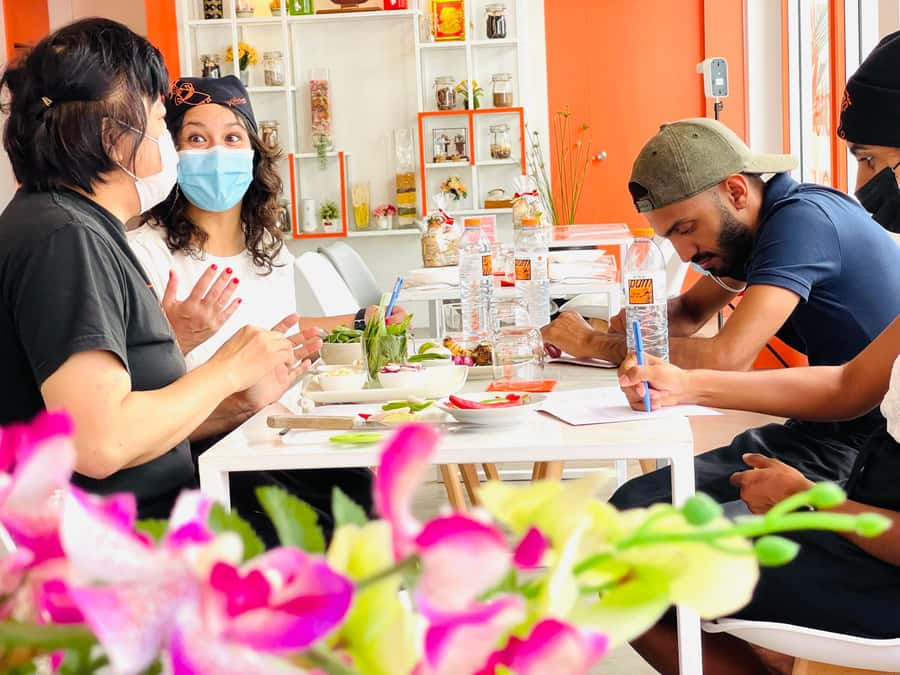
This cooking class in Patong is interesting because you don’t just watch you make Thai dishes yourself, step by step. I like the hands-on format and the way you can choose exactly which dishes you want from the school’s menu.
What really sold me is the market start. You learn how to spot fresh ingredients (and why they matter), then you carry that knowledge straight into the cooking. My only caution: cooking involves knives and open flames, and the school has strict limits on who can join if you have certain medical conditions.
In This Review
- Key things to know before you book
- Phuket’s Pum Thai Class: Picking Dishes That Fit Your Appetite
- The Market Visit: Learning What Fresh Means in Thailand
- Cooking Time: 3, 4, or 5 Iconic Dishes You Actually Know
- What You Learn at the Stove (And Why It Matters)
- The Dishes: A Realistic Look at Flavor and Skill Levels
- The Meal Moment: Eating What You Cook Without Rushing
- Price and Value: Is $72 Worth It in Phuket?
- Practical Tips That Make the Class Go Smoothly
- Who This Phuket Cooking School Suits Best
- Should You Book Pum Thai in Phuket?
- FAQ
- How long is the Phuket Pum Thai Cooking School experience?
- What dishes can I choose to cook?
- Do you visit a market as part of the class?
- Is the cooking class offered in English?
- Are vegetarian ingredients available?
- What should I bring?
- Are transfers included?
- What’s the cancellation policy?
- Who is this activity not suitable for?
Key things to know before you book
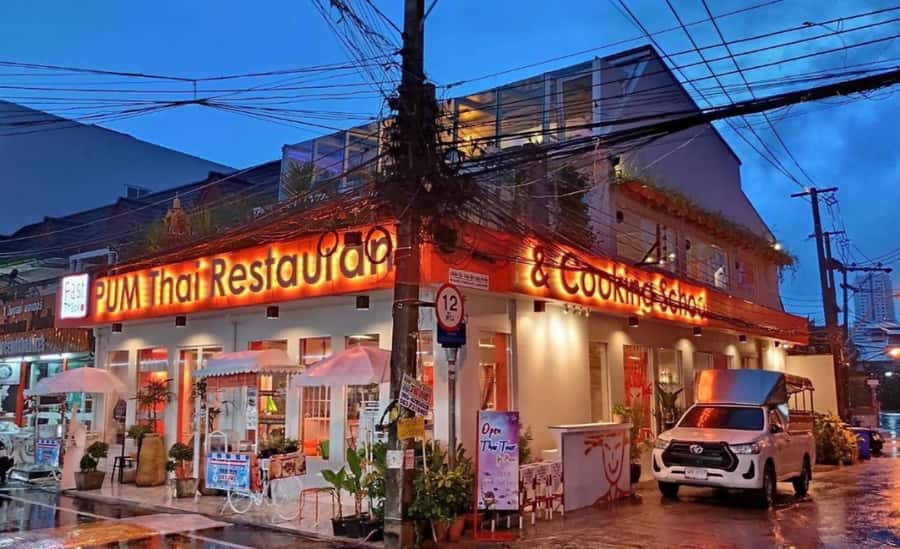
- Choose 3, 4, or 5 dishes: Pick from options like green curry chicken, tom yum kung, and chicken coconut soup.
- Market visit for ingredient instincts: You learn what to look for when buying Thai staples.
- English cooking instructions: English-led class with cooking guidance; Chinese guides are also provided.
- Eat the results: Your meal is the end of the class, not a separate restaurant stop.
- Timing ranges from 90 minutes to 5 hours: Longer classes typically mean more dishes and more time at the stove.
Still deciding? Here are more Phuket tours and island days worth a look.
- Phuket: Elephant Sanctuary Guided Tour with Hotel Transfers★ 4.8 · 2,020 reviews
- Phuket: Simon Cabaret Show Tickets Optional First 3 Rows★ 4.5 · 384 reviews
- Phuket: Racha and Banana Beach by Speedboat with Lunch★ 4.7 · 289 reviews
- Patong: Muay Thai Boxing Class at Rachai Muay Thai Gym★ 4.9 · 197 reviews
Phuket’s Pum Thai Class: Picking Dishes That Fit Your Appetite
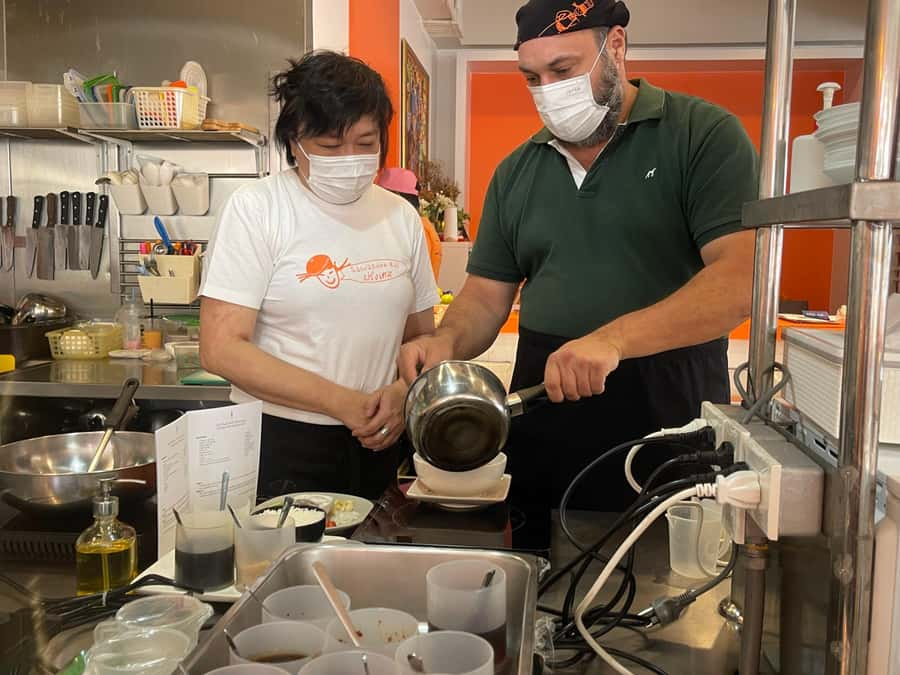
In Phuket, you’ll find plenty of cooking classes. What makes this one practical is the choice. You can sign up for a shorter session or go longer, and you select the dishes you want to cook from the school’s menu (subject to daily availability).
Most classes feel fixed: you’ll make what they planned, and you hope it matches your taste. Here, the menu choice means you can build a mini Thai sampler that fits what you actually want to eat. If you’re craving something sour and spicy, you can lean into soups like tom yum kung. If you’re more comfortable with creamy, comforting flavors, dishes like chicken coconut soup or green curry chicken can be the core.
Class length also matters. The experience runs from 90 minutes up to 5 hours, so you’ll want to choose the duration that matches your energy level. A fast class can be great if you want key skills and a satisfying meal without a long day. A longer class is better if you want more guidance per dish and more time to slow down, taste, and adjust.
The Market Visit: Learning What Fresh Means in Thailand
You’ll start with a visit to a local market. This part is one of the biggest value-added pieces because it trains your senses instead of just teaching recipes.
At the market, the lesson is about fresh ingredients and picking them well. That might sound basic, but it’s the difference between Thai food that tastes bright and Thai food that tastes flat. In practical terms, you’re learning what quality looks like in real Thai ingredients—so later, when you see similar items in your home kitchen, you’ll know what to buy and what to skip.
One small twist to know: the school may schedule market time after meals under special circumstances. That means your day might not follow a strict time order every time. If you’re planning other activities the same day, I’d keep your schedule flexible.
Cooking Time: 3, 4, or 5 Iconic Dishes You Actually Know
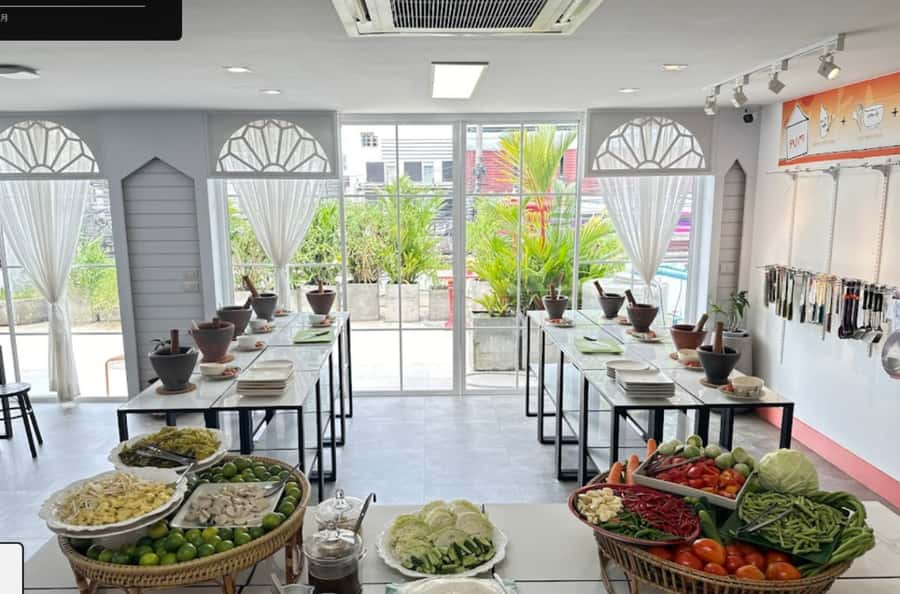
After the market, you move into the kitchen and cook your chosen set of dishes—typically 3, 4, or 5 iconic Thai dishes depending on the package you book.
What makes this work for most people is the pacing. You aren’t trying to cook an entire Thai feast from scratch with no help. You get English instruction, cooking supplies are provided, and the dishes are part of a structured menu selection. You still do real work, but the class design helps you avoid the classic cooking-class problem: the instructor talks, you chop randomly, and everyone’s “done” without truly learning how things should taste and smell.
You’ll see options like:
- Pad Thai (if it’s available on your day and matches your selection)
- Tom Yum Kung (often chosen for its fragrant, sour-spicy profile)
- Green curry chicken
- Chicken coconut soup
Because daily availability can affect what you can choose, it’s smart to think of your top picks plus a backup option. That way, if your first choices aren’t available, you still end up with a menu you’ll love.
What You Learn at the Stove (And Why It Matters)
Thai cooking is all about balance: salty, sour, sweet, and heat. A good class helps you understand the logic behind the flavors rather than just copying measurements you can’t repeat at home.
In this class, the goal is to teach you how to cook like a local—through technique, ingredient choice, and real-time adjustments. When you cook, you’ll learn to:
- Recognize ingredient quality early (market lesson feeds into this)
- Understand how flavors change as you cook
- Follow the sequence so sauces and aromatics don’t get overcooked
- Taste as you go, so you’re not surprised at the end
The hands-on approach is especially helpful if you’ve never made Thai food before. You’ll still be doing the cooking, but you’re guided through the process with English instructions. There are also Chinese cooking guides provided, which can be a nice backup if you want to double-check something written down.


The Dishes: A Realistic Look at Flavor and Skill Levels
You can choose among a handful of well-known dishes, and each one teaches something different.
Tom Yum Kung
This is a great choice if you want a soup that screams Thailand. It’s known for its sour-spicy balance and layered aroma. In a class setting, it teaches you how to build flavor depth and how heat and sourness work together.
Green Curry Chicken
This tends to be chosen by people who like bold but not always super-hot flavors. Green curry often teaches the importance of curry paste handling and the shift from aromatic base to creamy sauce.
Chicken Coconut Soup
This can be a comforting option if you want Thai flavor without the same kind of sharp punch as tom yum. It’s also useful for learning how coconut-based dishes behave when they warm and thicken.
Pad Thai
If you select it, you’ll likely get hands-on experience with the sweet-salty profile that makes pad thai so addictive. It’s also a popular dish for cooking beginners because it’s familiar and satisfying when done well.
One honest note: since your exact combination depends on package length and daily availability, your final lineup might differ. Still, the school’s menu choices are built around recognizable “iconic” Thai dishes, so you’ll leave with flavors you can name—and recreate.
The Meal Moment: Eating What You Cook Without Rushing
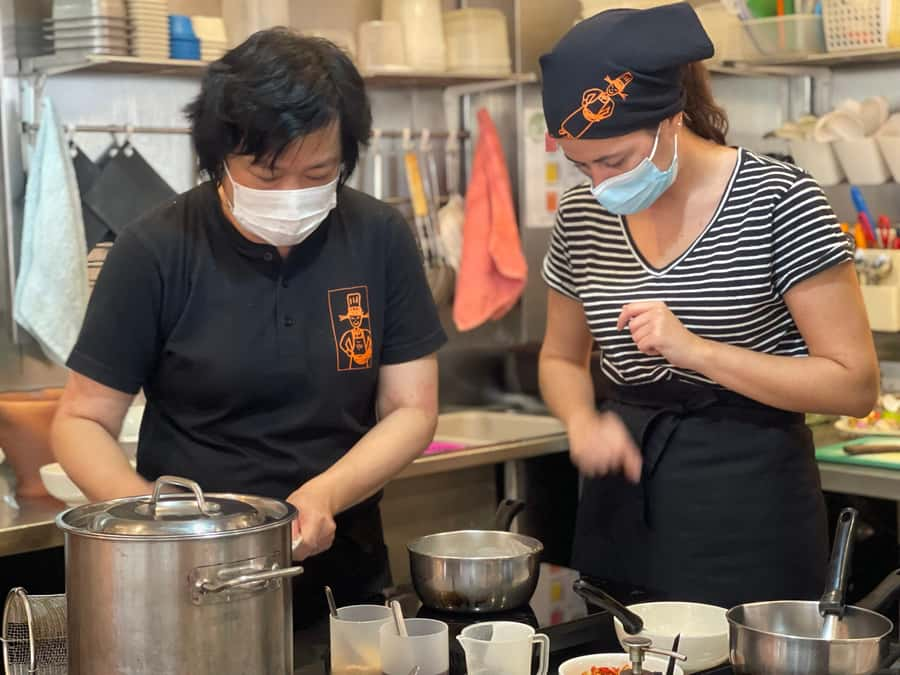
The class ends with you savoring your creations. This is more than a nice finish. It’s part of learning.
When you eat the dishes you made, you can connect the flavor you taste back to the steps you followed. Was the soup too mild before it reduced? Did the curry taste stronger after it sat for a moment? This is where cooking classes become truly useful, because you train your palate for the next time you cook.
It also keeps the experience grounded. Instead of spending hours preparing and then eating a separate meal, you get closure: you cook, you taste, you learn, and you eat.
Price and Value: Is $72 Worth It in Phuket?
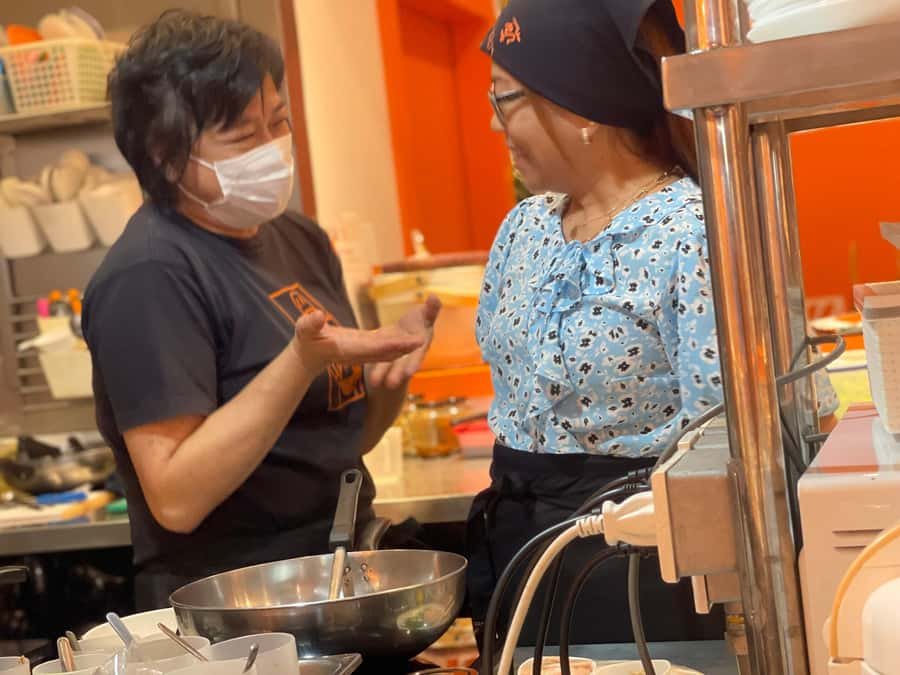
At $72 per person, this isn’t a random activity. It’s priced like a serious cooking class where your dishes and supplies are part of the package.
Here’s what you’re getting for that price:
- Your selected dishes (3, 4, or 5)
- Cooking supplies
- English cooking instructions (plus Chinese cooking guides)
- A market visit to learn ingredient selection
The “transfer fees are not included” part is worth noting. If you need transportation from your hotel, you’ll want to ask about pricing adjustments based on your hotel location. That can change your all-in cost, especially in Patong where taxis and ride options vary.
Still, for many visitors, the math works out because you’re paying for multiple dishes plus instruction plus the ingredient education. You’re not just buying a meal—you’re buying the skills to make Thai food again later.
Practical Tips That Make the Class Go Smoothly
A few details can make your experience smoother.
Wear for the kitchen
Bring comfortable clothes and closed-toe shoes. You’ll be standing and moving while you cook, and kitchen work isn’t the place for sandals.
Tell them about allergies
Inform the instructors in advance about any food allergies. If you need vegetarian ingredients, they are available, but you should confirm before booking so the class can plan accordingly.
Take safety seriously
Cooking involves knives, open flames, and other hazards. Follow the safety instructions at all times. This is one of those activities where good form and careful movement matter, and the class format is designed around that.
Keep expectations realistic
You’re learning, not speed-running. Even with a shorter option, your goal is to take the techniques home—not just fill up your plate.
Who This Phuket Cooking School Suits Best
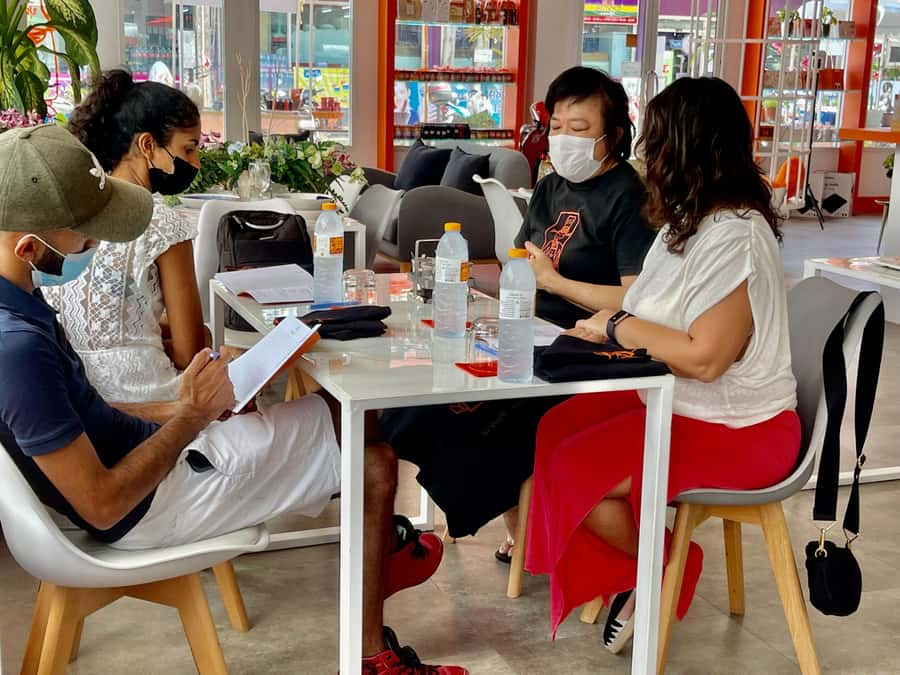
This experience is a strong fit if you:
- Want a hands-on way to learn Thai flavors, not just eat them
- Like the idea of choosing your own dish lineup
- Enjoy market browsing and learning how to pick ingredients
- Prefer an English-guided class format
It’s also a good option if you’re staying around Patong and want a self-contained experience you can plan without hopping between multiple stops.
It may not be a fit if you:
- Need to avoid outdoor/active environments (the class includes a market segment)
- Have the listed medical conditions, since participation is strictly prohibited for people with certain health issues and for seniors over 60
- Are pregnant, or have back problems, recent surgeries, diabetes, heart problems, high blood pressure, or cervical/spinal disorders
If you’re unsure, it’s worth checking your situation carefully before booking. The school states that hiding health issues can lead to full liability for personal injury or property damage.
Should You Book Pum Thai in Phuket?
Book it if you want real cooking instruction, a market lesson that actually changes how you shop, and a meal that’s the payoff for your work. The choice of 3–5 dishes and English-led guidance makes it feel customizable and more likely to match what you’ll genuinely enjoy eating.
Skip it (or at least reconsider) if you’re sensitive to cooking hazards or if your health situation falls into the school’s restrictions. Also consider that you may need to plan around transfer costs if you can’t get there easily on your own.
If you’re the kind of traveler who loves learning through doing—chopping, tasting, adjusting—this class is a solid use of time in Phuket. You leave with dishes you can name, flavors you can repeat, and the practical sense of what fresh ingredients should look like.
FAQ
How long is the Phuket Pum Thai Cooking School experience?
It runs from 90 minutes up to 5 hours, depending on the option you book. Check availability for exact starting times.
What dishes can I choose to cook?
You choose from dishes on Pum’s menu, such as Pad Thai, Tom Yum Kung, green curry chicken, and chicken coconut soup. Daily availability can affect what’s offered.
Do you visit a market as part of the class?
Yes. You start with a visit to a local market to learn about fresh ingredients and how to pick them. Under special circumstances, the market visit may be scheduled after meals.
Is the cooking class offered in English?
Yes. The instructor provides English cooking instructions (Chinese cooking guides are also provided).
Are vegetarian ingredients available?
Vegetarian ingredients are available, but you should contact customer service to confirm before booking.
What should I bring?
Bring comfortable clothes and closed-toe shoes.
Are transfers included?
Transfer fees are not included. If transfers are required, you should provide your hotel location to contact customer service for pricing adjustments.
What’s the cancellation policy?
You can cancel up to 24 hours in advance for a full refund. Free cancellation is available.
Who is this activity not suitable for?
It is not suitable for pregnant women, people with back problems, people with heart problems, people over 60, people with diabetes, people with pre-existing medical conditions, people with high blood pressure, and people with recent surgeries.
More Tour Reviews in Patong

Keep exploring Phuket and the Andaman coast






Phuket Cooking Classes, compared.
 ★ 5.0Phuket Thai Cooking Class with Market Tour OptionFrom $652,665 reviews
 ★ 4.9Elephant Sanctuary Tour, Cooking Class & LunchFrom $102856 reviews
 ★ 5.0Hands-on Thai Cooking Class Phuket with Market Tour Option!From $75808 reviews
 ★ 4.9Half Day Easy Thai Cooking Class & Local Market TourFrom $68725 reviews
 ★ 5.0Thai Cooking Class in PhuketFrom $65375 reviews
 ★ 4.9Thai Cooking Class with Market & Garden TourFrom $73249 reviews
 ★ 5.0Half day Thai cooking Class + Market tour+Garden tourFrom $67237 reviews
★ 5.0Thai Cooking Class in PhuketFrom $65234 reviews
Browse the lists this tour appears in