
Reviewed · PHUKET SNORKELING & DIVING
SSI | Padi Open Water Course in Phuket
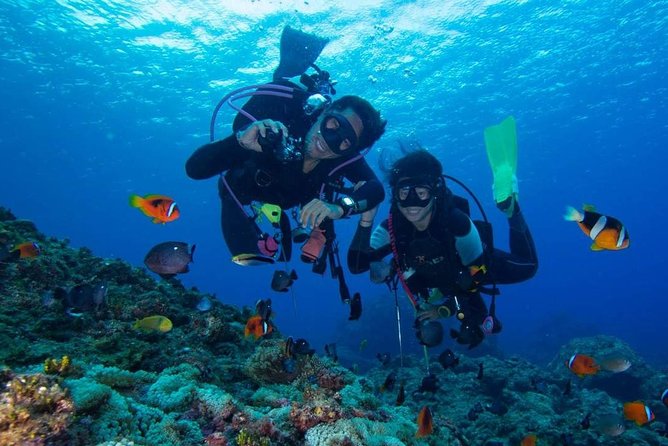
Three days can change how you travel. This SSI Open Water course pairs classroom prep with five sea sessions around Phuket’s islands.
I really like how the operation keeps things structured: you get all scuba equipment plus boat transfers, and you’re not left figuring out logistics alone. The other big win is the teaching style I saw praised again and again, with instructors like Olivier, Pommie, Oodi, Ned, and OotDy helping nervous first-timers feel safe. One thing to consider: you’ll need a health questionnaire and you shouldn’t plan to fly within 18 hours of your sea day.
In This Review
- Key points to know before you go
- Phuket is a smart place to earn your open-water certification
- Price and value: what the $505.13 covers (and what doesn’t)
- Day 1 in Chalong: gear setup and skills in a controlled setting
- Day 2 at Koh Racha Yai: clear water and manageable conditions
- Day 3 at Ko Racha Noi: wild island vibes and Phuket’s top visibility
- What your instructors do (and why it affects your results)
- Transfers, timing, and staying sane during a packed three days
- Certification value: what you’ll actually get at the end
- Who should book this, and who should think twice
- Should you book SSI Open Water in Phuket?
- FAQ
- What certification do I receive?
- How many open-water sessions are included?
- Are scuba equipment and boat transfers included?
- What meals are included?
- Is pickup or transport included?
- Are there health and timing limits?
Key points to know before you go
- Small group (max 8) for more hands-on attention during skills practice
- Five sea sessions included, with boat transfers and equipment provided
- Chalong pool day first, so you build confidence before open water
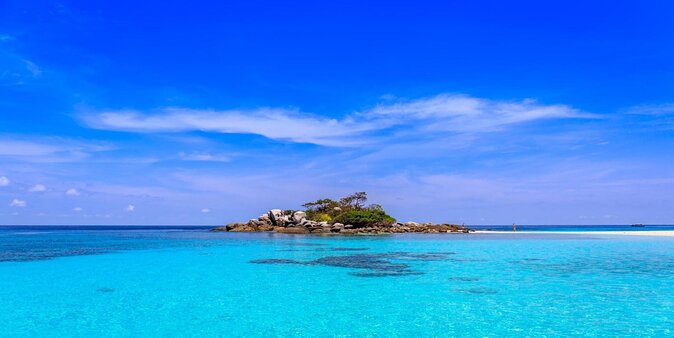
- Racha Yai and Racha Noi focus on clear water and good training conditions
- Meals included (2 breakfasts, 2 lunches) so you can stay focused
More reef stops, snorkel spots and dive sites near Phuket
- Phuket: 3 Khai Islands Relax & Snorkeling Half/Full Day Tour★ 4.2 · 2,379 reviews
- From Phuket: Similan Islands Snorkeling Trip by Speedboat★ 4.4 · 1,579 reviews
- Phi Phi & Bamboo Islands Snorkeling Tour with Lunch by Speedboat★ 5.0 · 797 reviews
- Phi Phi and Khai Islands Snorkeling Tour with Lunch by Speedboat★ 4.5 · 788 reviews
Phuket is a smart place to earn your open-water certification
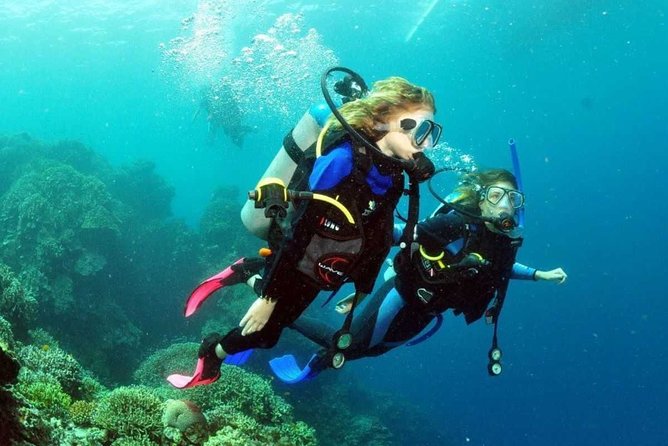
Phuket is one of those travel hubs where you can do real learning without making it feel like homework. You’re in warm-weather diving-friendly season (season depends on conditions, of course), and the islands used here are known for visibility and marine life. The course is built as a three-day arc: learn first, then test your skills in the sea.
What makes it especially practical is that the whole package is set up for first-timers. You start with theory and pool practice, then you move into the ocean for multiple sea sessions. That rhythm matters because confidence doesn’t come from reading a manual—it comes from doing the movements a few times while someone watches your form.
You’ll also be earning an SSI certification (the materials and certification are included), and the course notes that the certification is accepted internationally. That’s the part you’ll appreciate later, when you want to keep diving in other countries without starting over.
Price and value: what the $505.13 covers (and what doesn’t)
$505.13 per person sounds like a lot until you look at what’s actually included. You’re paying for the full learning package, not just a day on a boat. The total includes SSI instructor fee, SSI materials, and the SSI certification. It also includes all scuba equipment and the boat transfers needed for the sea sessions.
On top of that, you get insurance included, plus meals—two breakfasts and two lunches. If you’re comparing this to piecing together a pool lesson, rental gear, a guide, and transport separately, the bundled value is clearer.
Local transport is handled too: taxi transfers are included for day 2 and day 3 if you’re in common Phuket areas like Patong, Kata, Karon, and Chalong. Day 1 runs from the Kata Beach meeting point area at 9:00 am, so you’ll want to be ready to be there on time.
What’s not included is souvenir photos. You can buy them if you want, but you’re not required to.
Day 1 in Chalong: gear setup and skills in a controlled setting
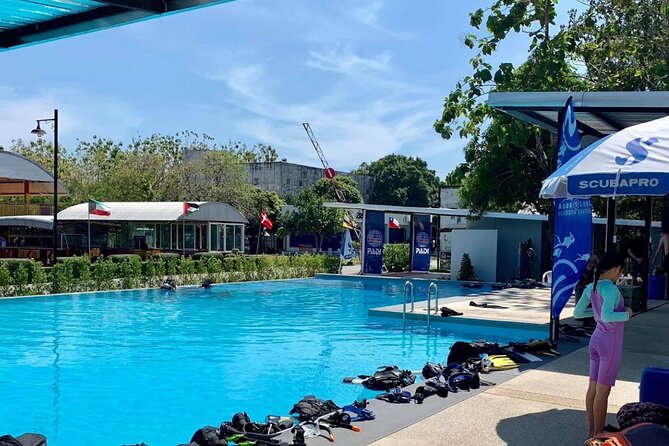
Day 1 is the foundation day in Chalong, and it’s designed to get you comfortable fast. You’ll spend about five hours learning the basics: how to set up your gear and practice core skills both at the surface and underwater (in a pool setting).
This is the part that makes the rest of the course go smoother. If you’ve ever tried to learn a new physical system with strangers watching, you’ll get why pool time is a big deal. Here, you’re learning the movements without the extra pressure of waves, currents, and navigation.
You’ll also be building muscle memory for breathing control, buoyancy habits, and calm body positioning. Even if you feel excited, you want your first “real” ocean moments to be about applying the skills—not panicking while remembering steps.
One practical note: because the entire course is time-packed over three days, you’ll want a rested start. Book this when you’re not already running on short sleep and airport-brain fog.
Day 2 at Koh Racha Yai: clear water and manageable conditions
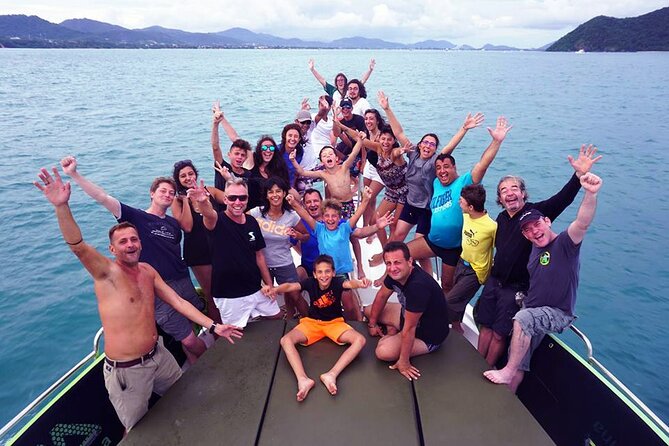
Day 2 heads to Koh Racha Yai and keeps the focus on learning with great visibility. The course description calls out very clear waters and training sites with weak current. That matters more than you might think. First-timers learn best when conditions support good technique.
You’ll do multiple sea sessions, each lasting about 50 minutes. Expect the guide to bring you into the right spots for practicing while still letting you enjoy the marine life on the route. That’s the sweet spot: you’re not just “passing through scenery,” you’re working and exploring at the same time.
This day is also about transitions. The pool teaches body skills; Racha Yai teaches situational awareness—what to do when the environment is bigger than the classroom. The best instructors make that feel routine, not scary.
From the feedback I read, the standout theme is confidence-building. People mentioned instructors being patient and supportive, including for students who felt nervous. That’s exactly what you want on your first true ocean practice day.



Day 3 at Ko Racha Noi: wild island vibes and Phuket’s top visibility
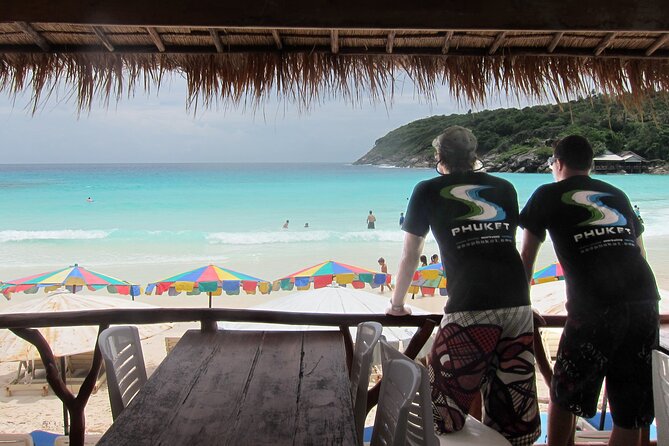
Day 3 goes to Ko Racha Noi, which is described as more wild and preserved. If you like the idea of a less developed-feeling setting, this is the day for that mood. The big selling point here is the underwater visibility, said to be the best in the Phuket area.
The schedule runs about seven hours, which usually means more time on the water and more chances to practice and observe. This isn’t just a quick photo-stop. It’s the final push where your skills should start feeling connected, not like isolated exercises.
If day 2 is where you learn to “move” in the sea, day 3 is where you start to relax and see. Clear water makes it easier to judge depth and distances, and it helps you notice wildlife. Even if you’re not chasing a specific species, good visibility changes everything about what you can enjoy underwater.
This is also where your instructor’s coaching style matters. The reviews I saw praised instructors for being professional and safety-focused, with calm teaching that helps you stay in control.
What your instructors do (and why it affects your results)
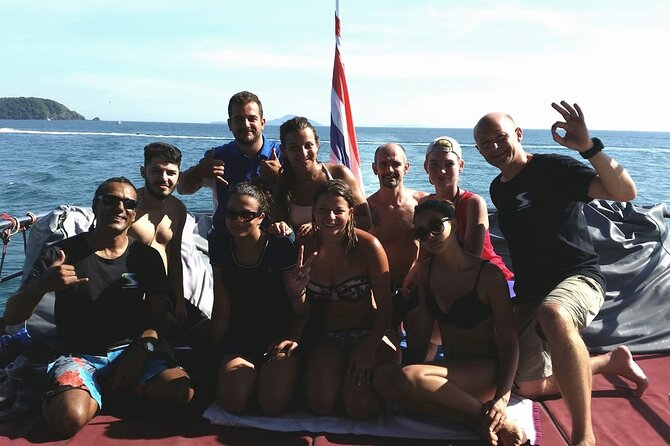
A certification course can be fine on paper. The difference is the human layer: how your instructor explains, corrects, and checks your comfort level.
The instructors named in the feedback—Olivier, Pommie, Oodi, Ned, and OotDy—show up in a consistent pattern: clear teaching, structured safety, and reassurance. One review specifically highlighted an instructor helping a partner who was nervous/anxious, with patience that made the experience feel manageable. Another praised an instructor for strict professionalism and confidence-building, with a methodical approach.
That’s what you should look for on day 1 and carry into days 2 and 3. The best course isn’t about rushing through skills; it’s about doing them right while you feel steady. If you’re prone to stress, that “calm coaching” piece can be the difference between enjoying the trip and counting the hours until it’s over.
Also, this operator may use a multi-lingual guide. That can help if you’re not fluent in English, or if you just learn better when instructions are explained in plain terms.
Transfers, timing, and staying sane during a packed three days
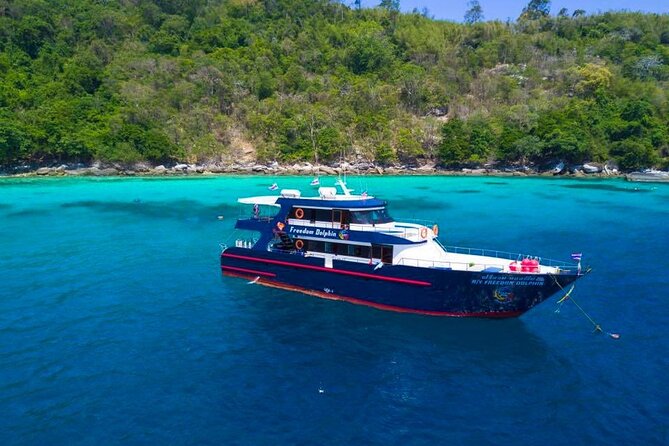
The course starts at 9:00 am from the Kata Beach meeting point area (Win Jeang Swimwear, Kata Beach). It’s also noted as near public transportation, which is handy if you’d rather not rely on taxis for the first day.
For day 2 and day 3, taxi transfers are included for specific Phuket areas: Patong, Kata, Karon, and Chalong. That’s good value because it removes the guessing game of where you’re supposed to go at what time, especially when you’re new to the schedule.
Duration is about three days, and the learning is packed. So I’d plan your Phuket trip around it: book this early enough that you don’t feel rushed. You’ll be better off if you have flexibility the day before and after.
One more reality check: the experience requires good weather. If conditions don’t cooperate, the course may shift dates or be refunded under the operator’s policy. In the tropics, this is part of the deal.
Certification value: what you’ll actually get at the end
You’re not just buying a fun boat outing. The package includes SSI materials and the SSI certification. That means you should be able to continue with further training later, and you can often use your certification internationally.
The course also states that the certification is accepted around the world, which is the part that matters for travel planning. When you’re certified, your future plans get easier: you can pick dive destinations based on conditions and geography, not based on whether you have to start over.
What you’ll carry home isn’t just a card. It’s the confidence that comes from learning core skills in a controlled way and then practicing them in open water with guidance. That makes your later trips feel less like a roller coaster and more like a skill you’ve already built.
Who should book this, and who should think twice
This course says most travelers can participate, which is encouraging if you’re worried about whether you qualify. The big limiter is health. You’ll complete a health questionnaire, and certain conditions—like asthma or heart conditions—may prevent you from diving. If you have any of those, check with your doctor before you commit.
Also, the course advises against diving within 18 hours of flying. Translation: don’t schedule this right before a long flight home. Give yourself time to settle.
This is a strong choice if you:
- want a structured, three-day path to SSI Open Water
- appreciate having equipment, insurance, boats, and meals handled
- prefer small-group learning (max 8) for more attention
It may be less ideal if you’re looking for a relaxed, slow-paced vacation with lots of downtime. This is a learning program with sea sessions that require focus and energy.
Should you book SSI Open Water in Phuket?
I think this is a good booking for the right traveler: someone who wants real training, not just a taste of the ocean. The price makes sense when you factor in instructor fees, SSI certification, gear, boat transfers, insurance, and included meals. You’re also getting a clear learning progression—pool fundamentals first in Chalong, then island sessions at Racha Yai and Racha Noi.
My only “pause” is the schedule intensity and the health/flight timing constraints. If you’re healthy, rested, and you can protect your schedule, you’ll likely find this a smooth way to earn certification in a place where conditions can support great visibility.
If you’re nervous as a beginner, the feedback names several instructors who are praised for patience and professionalism, and that’s exactly what you want your first sea days to feel like.
FAQ
What certification do I receive?
The course includes SSI materials and an SSI certification. The information also notes that certification is accepted around the world.
How many open-water sessions are included?
You’ll do five open-water sessions as part of the three-day course.
Are scuba equipment and boat transfers included?
Yes. The package includes scuba equipment, plus boat transfers for the sea sessions.
What meals are included?
Breakfast is included for two days and lunch is included for two days.
Is pickup or transport included?
Pickup is offered. For day 2 and day 3, taxi transfers are included for Patong, Kata, Karon, and Chalong area accommodations, and day 1 has a specific meeting point at 9:00 am.
Are there health and timing limits?
You’ll complete a health questionnaire before diving. Some medical conditions may prevent you from participating, and diving within 18 hours of flying is not recommended.
More Tour Reviews in Phuket


Under the Andaman, More Reefs


Keep exploring Phuket and the Andaman coast
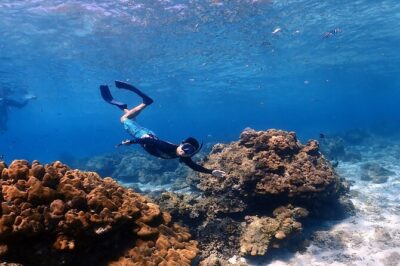

Phuket Snorkeling & Diving, compared.
 ★ 4.23 Khai Islands Relax & Snorkeling Half/Full Day TourFrom $242,379 reviews
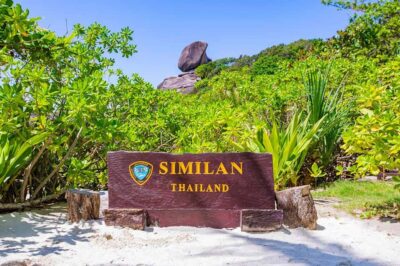 ★ 4.4Similan Islands Snorkeling Trip by SpeedboatFrom $981,579 reviews
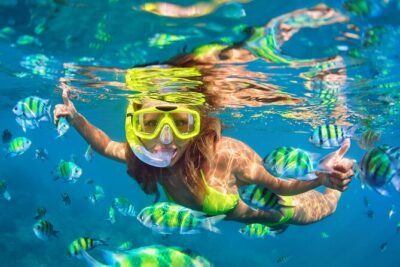 ★ 5.0Phi Phi & Bamboo Islands Snorkeling Tour with Lunch by SpeedboatFrom $129797 reviews
 ★ 4.5Phi Phi and Khai Islands Snorkeling Tour with Lunch by SpeedboatFrom $94788 reviews
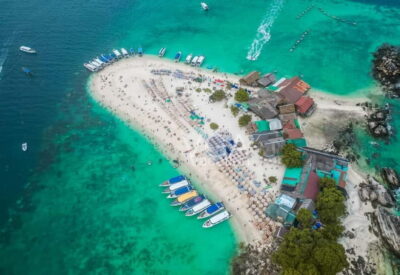 ★ 4.23 Khai Islands Tour- Snorkel & Relax (Half/Full Day)From $30502 reviews
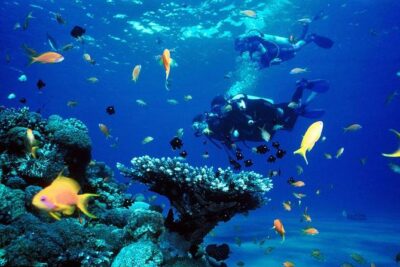 ★ 5.0Full-Day Beginner Scuba Course with Private Tuition, Racha YaiFrom $162368 reviews
 ★ 4.5Best of Phi Phi Islands Snorkeling Tour from PhuketFrom $75317 reviews
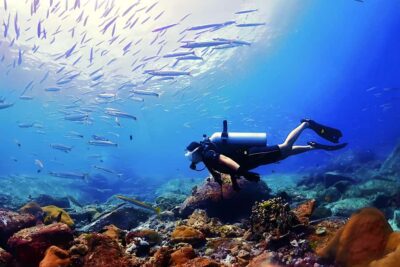 ★ 4.8Scuba Diving Maithon Or Racha Islands For All LevelsFrom $100245 reviews
Browse the lists this tour appears in