
Reviewed · ETHICAL ELEPHANT ENCOUNTERS
Phuket Elephant Nature Reserve – Half Day Elephant Adventure
Phuket’s best elephant visit is quiet, not flashy. This half-day at Phuket Elephant Nature Reserve focuses on hands-off welfare and close observation in a natural setting, plus real Thai food and earth-smart extras. I like that it’s built around rescued elephants living freely, not performing.
What I really like is the no riding and no bathing rule, plus the walking-format experience where you learn how elephants behave without crowds or touching.
One thing to consider: it’s gentle but real jungle walking on uneven paths, and it’s not suitable for wheelchair users or mobility impairments.
Key highlights to know
- Truly hands-off: no riding, no bathing, and no touching elephants
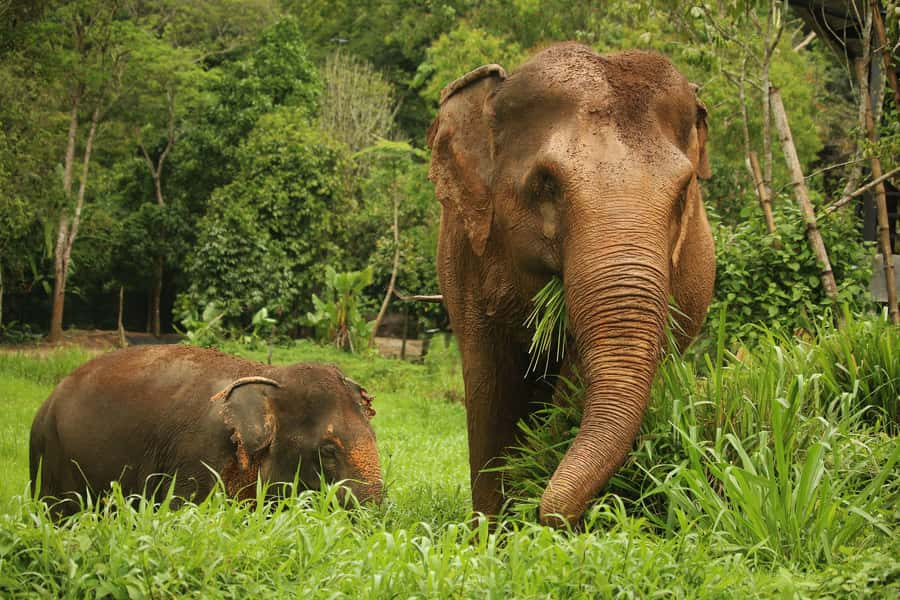
- Five named elephants you can watch roam, forage, dust-bathe, and socialize
- Audits for welfare: SGS (98%) and ACES (86%) independent distinction audits
- Enrichment you help with: make natural vitamin balls for the elephants
- Dung-paper demo: eco-paper upcycling showing a zero-waste mindset
- Thai cooking + lunch: vegetarian (vegan on request) at the Elephant Kitchen
In This Review
- A Half-Day That Trades Tricks for Real Elephant Behavior
- What Makes Phuket Elephant Nature Reserve Different (No Riding, No Bathing)
- Meet the Elephants: Lotus, Bow, Thonglor, Nong Tang, Mae Boon Lai
- Safety Briefing and Jungle Observation: Why the Walk Matters
- The Enrichment Workshop: Making Vitamin Balls Without Handling
- Elephant Dung Recycling Center: A Surprising Stop That Makes Sense
- The Elephant Kitchen Cooking Demo and Lunch (Vegetarian Thai, Vegan Option)
- Price and Value: What $96 Really Covers
- Timing, What to Wear, and the Small Things That Make This Smooth
- Where This Fits Best (And Who Should Skip It)
- Should You Book It? A Clear Way to Decide
- FAQ
- FAQ
- Is elephant riding or bathing included?
- How long is the half-day Phuket Elephant Adventure?
- What language are the guides?
- Is lunch included, and is it vegetarian?
- Do I need to touch or feed the elephants directly?
- What should I bring for the reserve?
- Are hotel transfers included?
- Can I bring a drone?
A Half-Day That Trades Tricks for Real Elephant Behavior
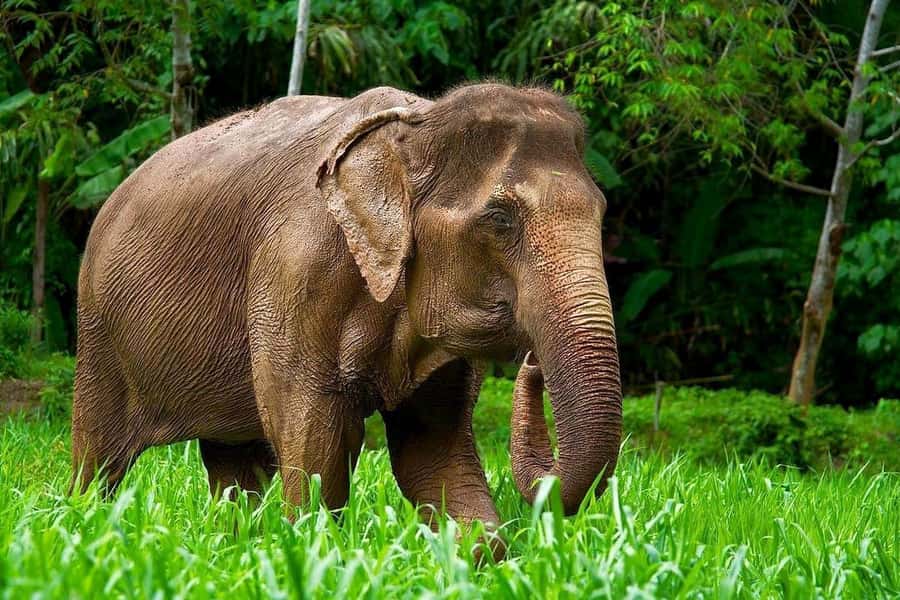
If you’re tired of the loud elephant circus, this is a different kind of day. At Phuket Elephant Nature Reserve, your goal isn’t to “do” something to elephants. It’s to observe them in a way that supports welfare and respects their space.
I love that the experience is designed around hands-off ethics, so you’re not trying to force proximity or shortcuts. You’ll walk, watch, and learn—so when elephants move through the jungle, you understand what you’re seeing instead of just waiting for a photo moment.
The second thing I like is the mix of learning and contribution. You’re not just watching quietly; you’re making enrichment and seeing how waste becomes paper in the dung-recycling center. It gives your visit more purpose than a standard sightseeing stop.
The only drawback is that this sanctuary approach can feel slower than animal-activity tours. Elephants choose when to come closer, forage, or rest. If you need constant action every minute, this may test your patience—in a good way, but still.
Other ethical sanctuaries where you meet the herd, not ride it
- Phuket: Elephant Experience with Lunch or Dinner and Pickup★ 4.7 · 1,387 reviews
- Phuket: Bukit Elephant Park Sanctuary Walk and Feed Tour★ 4.9 · 926 reviews
- Phuket: Phuket Elephant Care Sanctuary ECO Tour★ 4.9 · 671 reviews
- Phuket: Half Day or 2-Hour Ethical Elephant Care Sanctuary★ 4.5 · 481 reviews
What Makes Phuket Elephant Nature Reserve Different (No Riding, No Bathing)
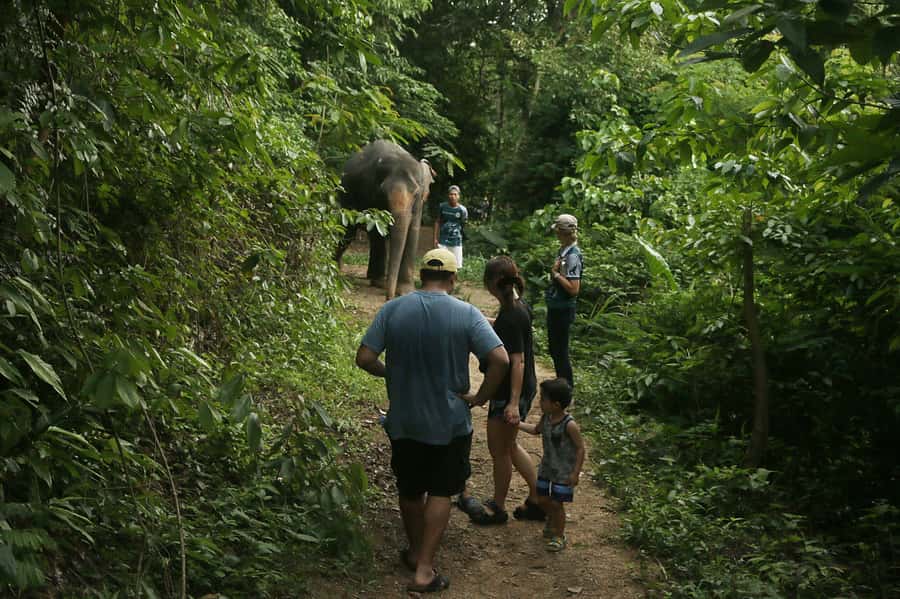
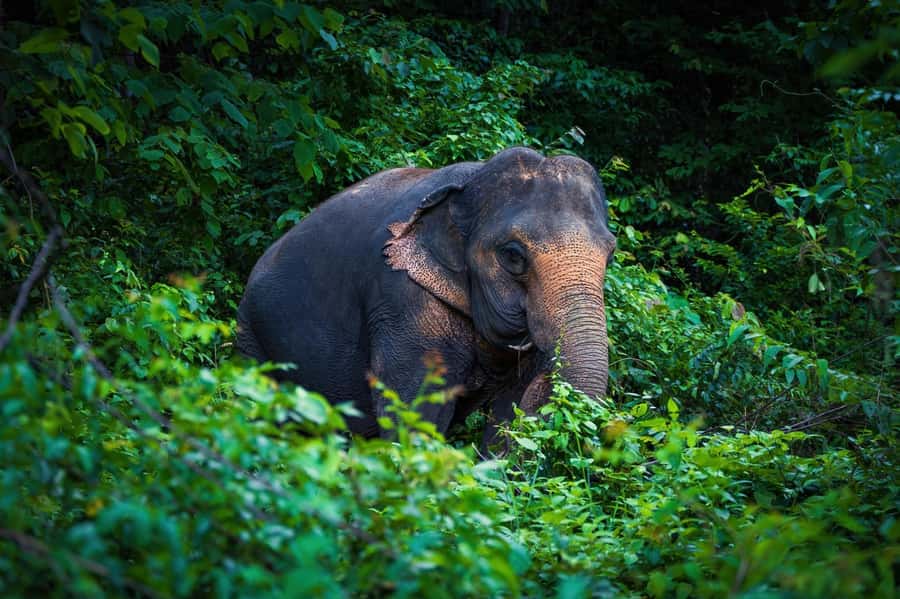
The core rule here is simple: no riding, no bathing, no chains—ever. That matters because it changes the whole experience. Elephants aren’t being handled as props. They’re living their day, and you’re there to watch responsibly.
The program is also backed by strong welfare credentials:
- Audited by SGS Thailand with an overall score of 98%
- Audited by ACES with an overall score of 86%
- Certified by the Phuket Regional Livestock Office under Good Animal Practices
They also have recognition tied to animal care and operations, including Elephant Sanctuary of the Year (2023) and Tour Operator of the Year (2025). Those aren’t just marketing words here—they reflect a system that’s meant to keep welfare standards consistent.
Bottom line: you’ll get a more natural day, with fewer “big moments,” but better ones. The photos often look better too, because the elephants are doing elephant stuff, not standing around for a ride lineup.
Meet the Elephants: Lotus, Bow, Thonglor, Nong Tang, Mae Boon Lai
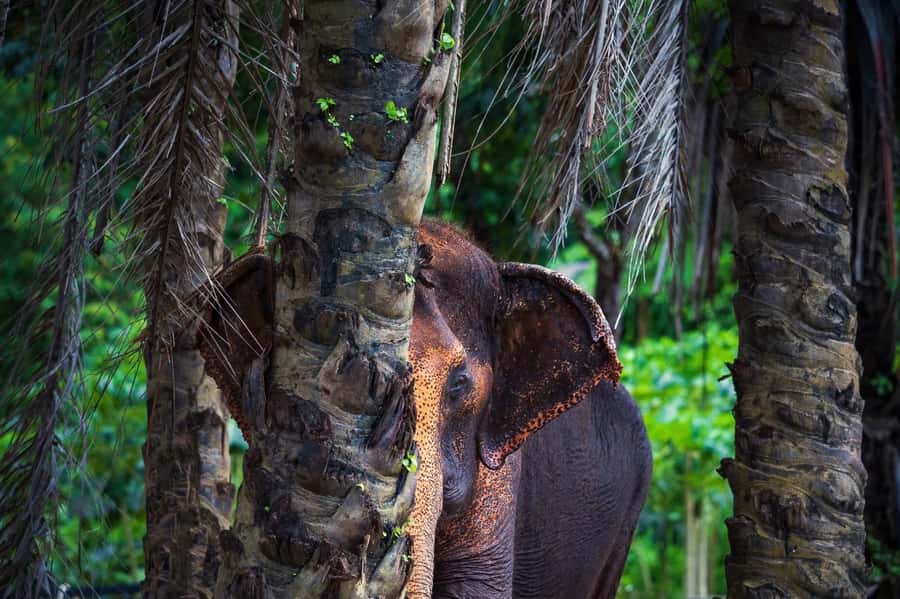
You’ll learn the stories of the sanctuary’s five elephants: Lotus, Bow, Thonglor, Nong Tang, and Mae Boon Lai. They were rescued from places like trekking, logging, and street begging—meaning their past was shaped by human pressure.
During the visit, you’ll be watching their real rhythms:
- Foraging (searching, tasting, sorting through food)
- Dust-bathing (a common comfort behavior that also helps with skin)
- Socializing (group movement, spacing, and cues you start to notice once your guide explains them)
A key detail: you won’t be encouraged to touch. The emphasis is on connection without contact, so you can respect their boundaries and avoid turning a peaceful moment into stress.
If you’re the kind of person who likes animals but hates the idea of manipulation, this is a rare sweet spot. You’re there for behavior, not performance.
Safety Briefing and Jungle Observation: Why the Walk Matters
Your half-day begins with a welcome and safety orientation. Expect a short briefing that explains mission and welfare rules, then gets you set up for how to move, watch, and stay at a respectful distance.
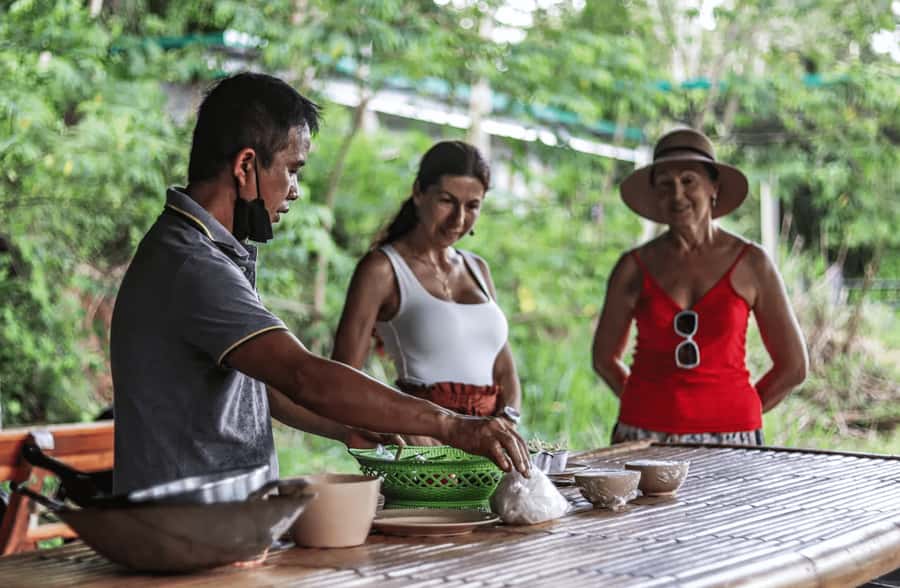
After that, you’ll move into the main viewing time—about 55 minutes of jungle observation. The paths are shaded and uneven, so comfortable shoes matter. This isn’t a manicured boardwalk, and that’s part of the point. You’re walking in their environment, not a theme-park version of it.
What you should do to get the most out of this part:
- Keep your attention on body language (ears, trunk position, spacing)
- Pause more than you rush (you’ll see more when you stop)
- Follow your guide’s cues for where elephants are likely to move next
One practical tip from the way guides explain things: you’ll learn how elephants communicate and what normal diet behavior can look like. Once you understand that, even a quiet stretch of grazing becomes interesting.
The Enrichment Workshop: Making Vitamin Balls Without Handling
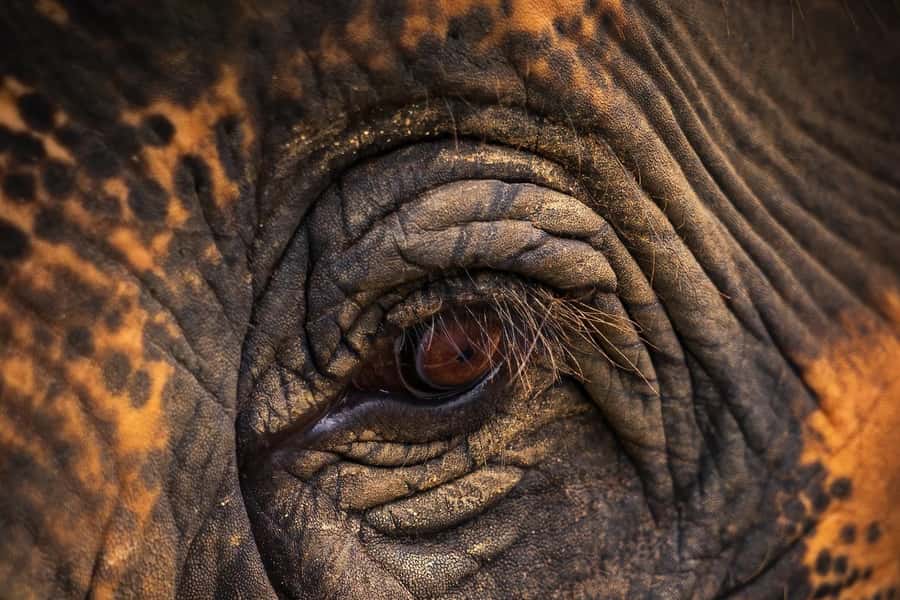
One of the most meaningful parts of this day is the enrichment activity. You’ll prepare natural vitamin balls that carers use to support health and encourage natural foraging.
Even though you’re participating, you’re not “working with elephants” in the old-school sense. Your role is to help create enrichment while staff handle the welfare-critical side. That keeps the experience ethical and prevents the kind of touching and handling that can turn enrichment into pressure.
This is also one of those moments where you’ll feel the difference between:
- feeding as a performance
vs
- feeding as part of a care routine
In practice, it’s usually quicker and more hands-on than you expect. You’ll be making something real, not just watching a demonstration. And because elephants get enrichment in a way that matches their instincts, your time here feels like an actual contribution.





Elephant Dung Recycling Center: A Surprising Stop That Makes Sense
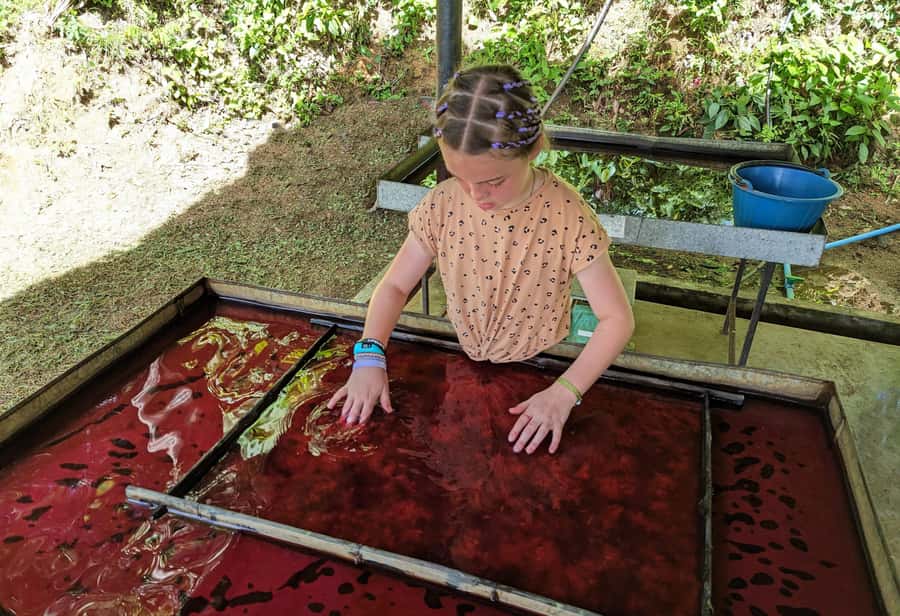
Next comes the Elephant Dung Recycling Center and paper-making demo. It’s one of the stops that people either love instantly or need a minute to wrap their head around—but it fits the sanctuary’s conservation approach.
Here’s why it matters: the center shows how dung can be upcycled into eco-paper and sustainable souvenirs. That links elephant care to waste reduction, and it gives you a different kind of takeaway than a typical “souvenir shop” stop.
You’ll also get a clearer sense of how the sanctuary aims for a zero-waste mindset. It’s not just recycling as a concept; it’s presented as a system that supports conservation and responsible operations.
There’s often a photo stop too, designed around respectful distance—so you can capture the day without breaking the main rule of hands-off welfare.
The Elephant Kitchen Cooking Demo and Lunch (Vegetarian Thai, Vegan Option)
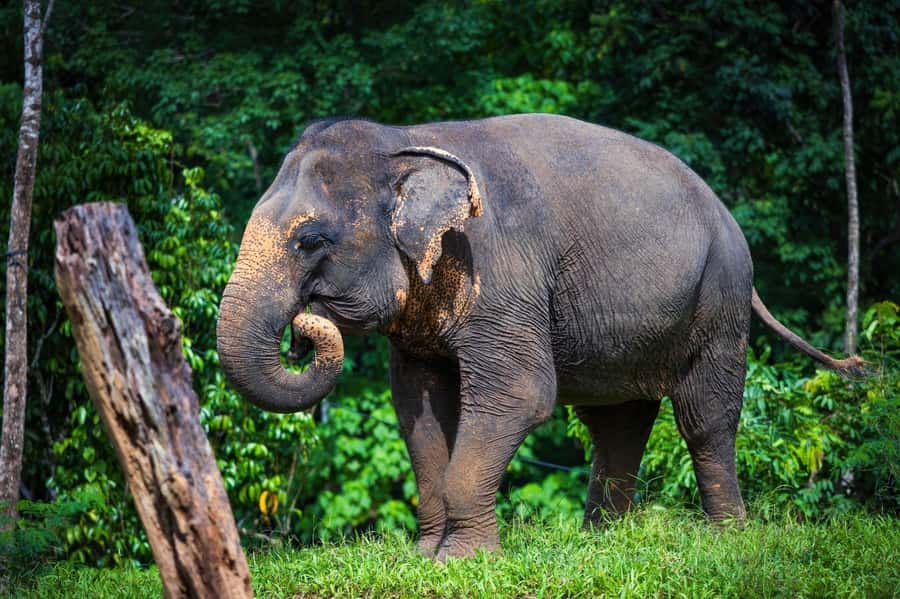
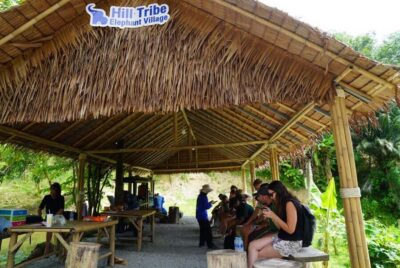
One of the best values of this half-day is that you don’t leave hungry. At the open-air Elephant Kitchen, you’ll do a Thai cooking demonstration and then enjoy lunch with jungle views.
The cooking demo typically focuses on a classic vegetarian/vegan dish—examples you may see include Tom Yum or Pad Thai. You’ll learn the basics of how Thai flavors build, with plant-based ingredients that still deliver that signature sweet-sour-salty balance.
Lunch is included, and it’s vegetarian with a vegan option available on request. You’ll also have coffee and tea, plus drinking water at refill stations (and the program is described as plastic-free).
Practical advice here: Thai food can be spicy. If you have spice preferences or allergies, tell the operator in advance so the lunch and demo fit your needs.
The food part is also a nice mental reset. After watching elephants and walking the reserve, you get to sit, eat, and process what you learned without rushing straight into another activity.
Price and Value: What $96 Really Covers
$96 per person sounds like a real chunk of change—until you break it down. This isn’t just “entry to see elephants.” It’s a guided, education-led half-day with multiple included components.
What your money covers, based on the program details:
- Sanctuary entry and supervised, hands-off elephant experience
- A small-group English-speaking guide
- Jungle observation walk with welfare education
- Enrichment making (vitamin balls)
- Elephant dung recycling center demo
- Thai cooking demonstration
- Vegetarian Thai lunch (vegan available)
- Water refill stations, plus coffee and tea
- Accident insurance
Then there’s the funding angle that matters for ethical travel. The booking funds elephant food, vet care, and future rescues. That’s the part you should care about most if your main goal is to travel with a conscience.
You’ll also get a sense of how reputable the program is from ratings (including a strong 4.9 Google and 4.8+ across other platforms). In this case, the numbers match the structure: clear welfare rules, audits, and a day that stays focused on animal welfare instead of entertainment gimmicks.
Is it expensive compared to a basic zoo ticket? Yes. But it’s also a much more involved, labor- and care-heavy operation.
Timing, What to Wear, and the Small Things That Make This Smooth
This visit runs about 210 minutes (a little over three and a half hours). You’ll want to plan your day around it and keep the rest of your schedule calm.
It starts with a safety briefing, then moves through:
- wildlife viewing in the jungle
- a workshop and guided walk segments
- a photo stop designed for respectful distance
- the cooking demo and class
- lunch
How to show up ready:
- Arrive 15 minutes early for check-in
- Wear comfortable shoes with good grip
- Bring sun protection: sunglasses and a sun hat
- Use biodegradable sunscreen
- Bring a reusable water bottle (refill stations are available)
- If you’re visiting around May–Oct, bring a light rain jacket (umbrellas may be available if needed)
Also note what’s not allowed:
- Drones
- Intoxication
- Littering
- Touching elephants
- Riding elephants
If you’re with kids, this is generally fine—there’s a kids’ play area on site—but you still need to be realistic about jungle walking and keeping the hands-off rules.
If you get the English guide, you’ll also be in good hands for explanations. One guide name that’s shown up in feedback is Mike, praised for being really informative. Your guide may not be Mike, but the educational focus is built into the program.
Where This Fits Best (And Who Should Skip It)
This experience is best for you if:
- you want ethical elephant care rather than animal entertainment
- you like learning how animals behave, not just snapping photos
- you’re okay with a hands-off, observation-led day
- you want Thai food included so you’re not juggling lunch plans
It may not be the right fit if:
- you need constant action and close contact
- you have mobility limitations or rely on a wheelchair (this is not suitable)
- you expect a theme-park style “ride and show” experience (that’s not what this sanctuary offers)
Families can work well because kids are welcome, but everyone should be prepared for gentle walking on uneven paths and keeping distance from elephants.
Should You Book It? A Clear Way to Decide
I’d book this if your goal is to see elephants in a way that aligns with welfare rules and real conservation practices. The hands-off approach, the audits (SGS 98% and ACES 86%), and the included enrichment plus eco-paper demo make it feel like more than a half-day outing.
You might skip it if:
- you can’t manage uneven walking paths
- you’re only interested in elephant rides or bathing (those aren’t permitted)
- you want lots of guaranteed, close-up action at every minute (elephants set the pace)
If you want a calmer, more responsible elephant experience with Thai cooking and a full lunch built in, this is one of the better uses of a few hours in Phuket.
FAQ
FAQ
Is elephant riding or bathing included?
No. Riding and bathing aren’t permitted. The whole experience is built around observation and welfare with no riding and no bathing.
How long is the half-day Phuket Elephant Adventure?
It runs about 210 minutes (roughly three and a half hours).
What language are the guides?
The program lists English and Russian for the live tour guide.
Is lunch included, and is it vegetarian?
Yes. A vegetarian Thai lunch is included, and a vegan option is available on request.
Do I need to touch or feed the elephants directly?
You won’t be allowed to touch elephants. Feeding is described as supervised and prepared by staff, while you participate in enrichment like making vitamin balls.
What should I bring for the reserve?
Bring comfortable shoes, sun protection (sunglasses and a hat), biodegradable sunscreen, weather-appropriate clothing, and a reusable water bottle.
Are hotel transfers included?
Hotel transfers are not included. Round-trip hotel transfer is available from most Phuket areas only if you select it at checkout.
Can I bring a drone?
No. Drones aren’t allowed. Intoxication and littering are also prohibited.
More Tour Reviews in Phuket City
More Time With Phuket's Elephants

Keep exploring Phuket and the Andaman coast



Ethical Elephant Encounters, compared.
 ★ 4.8Elephant Jungle Sanctuary Ethical Feeding ExperienceFrom $284,359 reviews
 ★ 4.8Elephant Sanctuary Guided Tour with Hotel TransfersFrom $412,020 reviews
 ★ 4.9Elephant Jungle Sanctuary Half-Day Visit with MealFrom $901,800 reviews
 ★ 4.8Elephant Save & Care Program TourFrom $831,790 reviews
 ★ 5.0A Morning with the Elephants at Phuket Elephant SanctuaryFrom $971,693 reviews
 ★ 4.8Lily Elephant Half day Trip on the Beach with lunchFrom $831,420 reviews
 ★ 4.7Elephant Experience with Lunch or Dinner and PickupFrom $671,387 reviews
 ★ 4.8Elephant Jungle Sanctuary Feed and Shower TripFrom $611,056 reviews
Browse the lists this tour appears in