
Reviewed · KHAO SOK & KHAO LAK DAY TRIPS
Khao Lak: Ethical Overnight Elephant Sanctuary Experience
Elephants don’t perform here. They follow their day, and you get to watch the real rhythm.
This Khao Lak overnight is built around ethical, observe-only rules like no touching, no feeding, and no bathing. I especially like that you still spend serious time learning through caretaker-led routines—forest walks, river playtime viewing, cleaning work, and foraging for natural vegetation. One thing to keep in mind: the experience is hands-off by design, so your interaction depends on elephant comfort, not your schedule.
The second day continues that same slow pace. You’ll see more of the caretakers’ routine (including cooking again and a longer nature walk), plus a sustainable planting session that fits the whole conservation mindset. The day can be muddy and wet, but that’s part of the real setting, not a reason to miss out.
In This Review
- Key things that make this overnight stand out
- Khao Lak Elephant Sanctuary: what welfare-first really looks like
- The real flow of a two-day overnight stay
- Forest walks and river playtime: watching without crowding
- Caretaker routines you can see: cleaning, foraging, and daily work
- Sai Rung Waterfall and the Thai cooking class: balance matters
- Bamboo bungalow night: calm, practical, and built for rest
- Price and value from Phuket: who this is for
- A few practical tips that make the day easier
- Should you book this Khao Lak ethical overnight?
- FAQ
- Is this experience an observe-only elephant program?
- How long is the Khao Lak overnight experience?
- Where do I get picked up, and what time?
- What’s included in the price?
- Can I ride the elephants?
- Is the trip suitable for wheelchair users?
Key things that make this overnight stand out
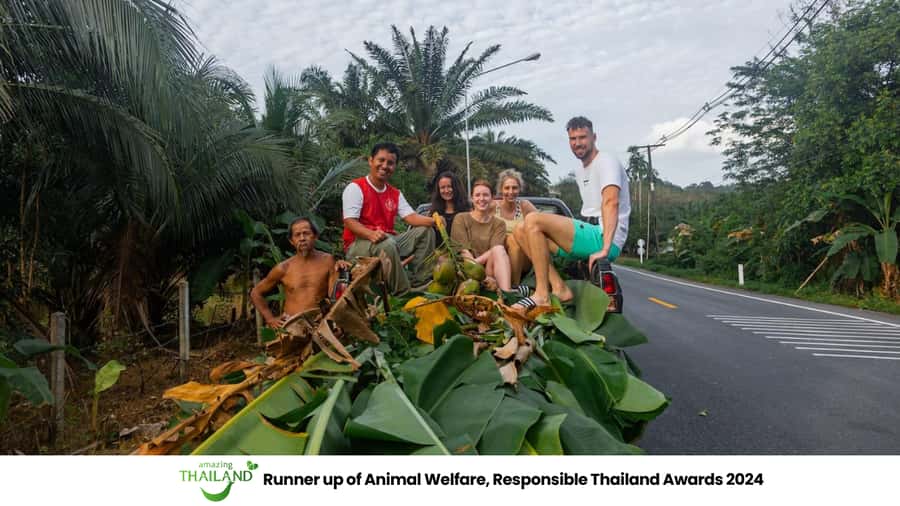
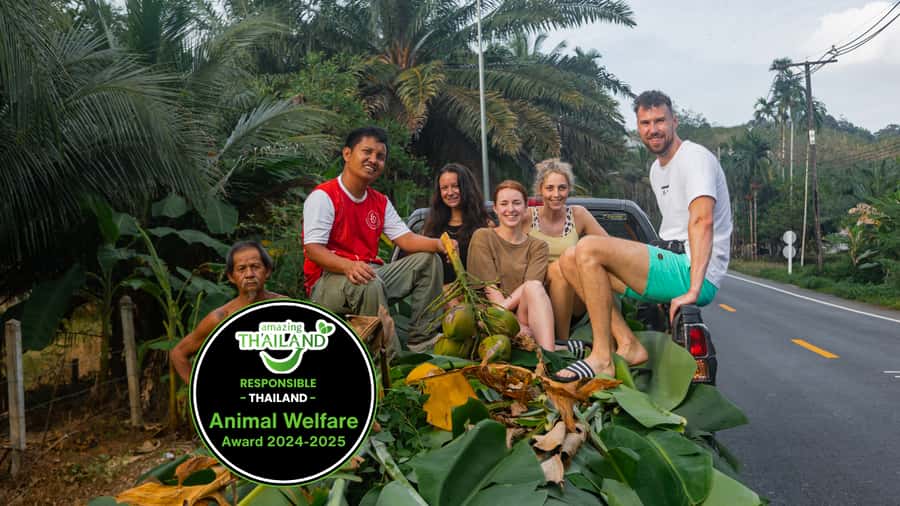
- Awarded Runner-up for Animal Welfare (2024–2025), so welfare standards are taken seriously
- Observe-only by policy: no riding, no touching, and no forced participation
- Small group size (up to 15), which keeps the pace calm and questions answerable
- Caretaker routines you can witness: cleaning, foraging, and simple daily work
- Sai Rung Waterfall break plus Thai cooking for a balanced day away from the usual tour loop
- Bamboo bungalow stay with shower facilities, making it comfortable for a true overnight
Other ethical sanctuaries where you meet the herd, not ride it
- Phuket: Elephant Jungle Sanctuary Half-Day Visit with Meal★ 4.9 · 1,800 reviews
- Phuket: Elephant Save & Care Program Tour★ 4.8 · 1,790 reviews
- A Morning with the Elephants at Phuket Elephant Sanctuary★ 5.0 · 1,693 reviews
- From Phuket: Elephant Jungle Sanctuary Feed and Shower Trip★ 4.8 · 1,056 reviews
Khao Lak Elephant Sanctuary: what welfare-first really looks like
The big reason to choose this overnight is simple: the program is designed to protect elephants first, not entertain humans. That means the experience isn’t built on commands, tricks, or forcing animals to come close. Instead, you move with caretakers and learn what matters—behavior, wellbeing, and what a natural day looks like when it’s allowed to unfold.
You’ll follow the same philosophy throughout both days: observe respectfully, stay out of the elephants’ personal space, and let them choose whether to approach or move on. It can feel strange if you’re used to the usual elephant-tour script, but that’s exactly why it’s powerful. You’re not chasing a moment. You’re learning how to read the moment.
Also note what the sanctuary says about planning. The elephants aren’t forced into activities, so if something can’t be done as planned, your schedule can shift. The policy is strict enough that you should mentally prepare for a day that runs by animal comfort, not by a checklist that must be completed.
The real flow of a two-day overnight stay
This is not a quick hit. It’s a full 2-day rhythm that gives you time to see the sanctuary as a living place, not a photo stop.
Day 1 starts with pickup from Phuket hotels, with pickup times beginning as early as 6:30 AM and also later around 10:30 AM depending on your assigned slot. The van ride is about 2 hours, so you’ll feel the transition from vacation chaos into slower countryside time. Once you arrive, you’re guided through a day of walking, observing, and helping with caretaker tasks from a respectful distance.
Then the day adds variety so you don’t feel stuck only watching elephants. You’ll do viewing breaks like river playtime, plus hands-on learning activities such as cleaning their living areas and foraging for natural vegetation as part of the caretaking routine. There’s also a visit to local farms, and you’ll join a simple Thai cooking activity. After lunch, you get a scenic reset at Sai Rung Waterfall and take a short swim before settling into the bamboo bungalow for the night.
Day 2 keeps it practical and grounded. You’ll return to morning observation, more caretaking-style work like cleaning and foraging, and another cooking step. Then comes a longer nature walk plus a sustainable planting session before heading back.
Forest walks and river playtime: watching without crowding
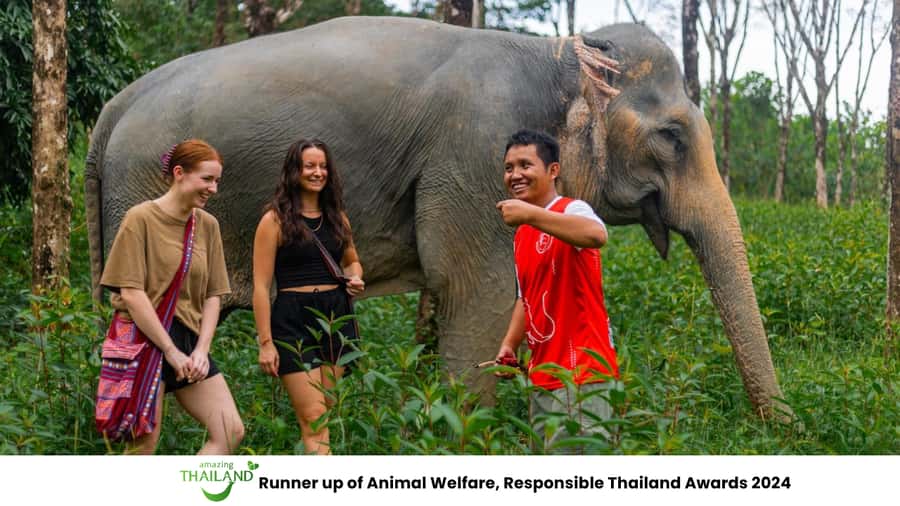
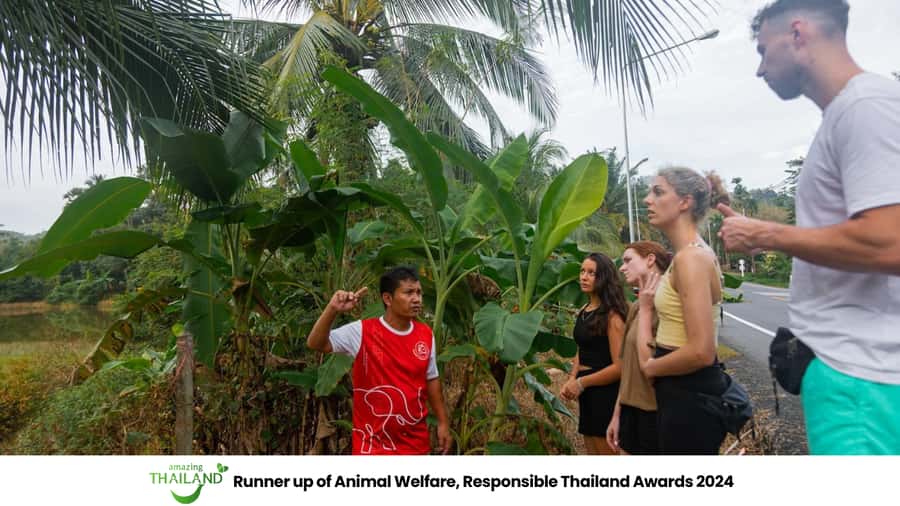
If you love elephants, this is where the day earns its keep. You’ll walk with caretakers and observe elephants as they move through the forest and open spaces. The key difference is how you watch: quietly, calmly, and without trying to “make” an interaction happen.
Forest viewing tends to be where you notice small behavior shifts. How an elephant pauses. How it listens. How it uses space. Those details are hard to catch when crowds cluster at a single point. Here, the pace is slower, and the caretakers guide you to stay in the right place so elephants don’t have to adjust to you constantly.
You’ll also get river playtime viewing. This part matters because water is a real part of elephant comfort and behavior. You might see bathing moments when conditions line up, and when that happens it’s not staged. You’re observing what the elephants want to do.
One practical point: the sanctuary setting can get wet and muddy. Bring the right clothes so you can stay comfortable during the walk and still enjoy the day when the environment turns slick.
Caretaker routines you can see: cleaning, foraging, and daily work
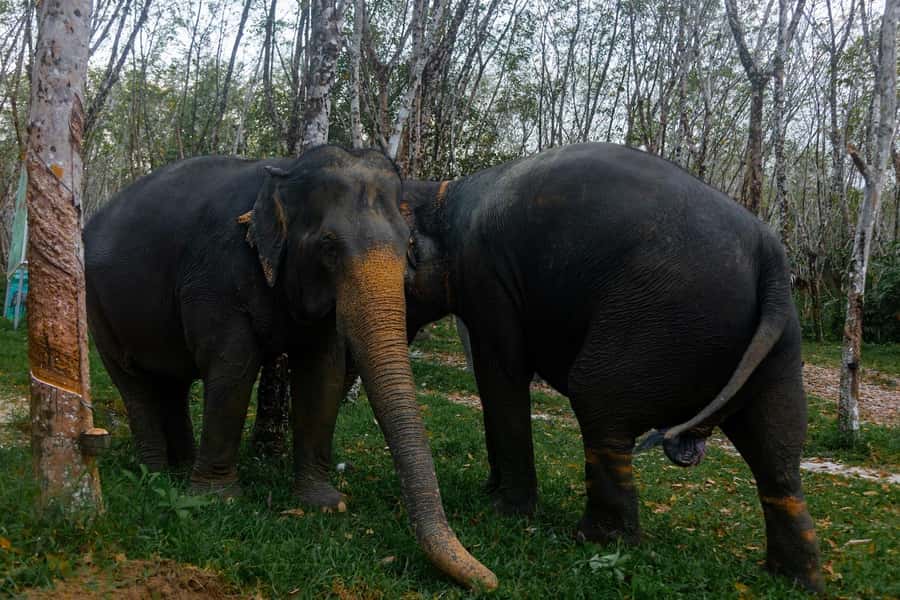
A lot of elephant experiences stop at feeding or photo ops. This one pays attention to the unglamorous work that helps animals thrive. You’ll spend time on caretaker routines such as cleaning living areas and foraging natural vegetation. It’s not about you doing a perfect task. It’s about understanding what care looks like when the goal is long-term wellbeing.
Foraging is also a useful education moment. It helps you connect the dots between nutrition, natural behavior, and how ecosystems matter. You’re learning that care isn’t just food. It’s also environment, routine, and space.
There’s also the question of food and interaction. The program rules are explicit: no touching, and no feeding as an interaction. At the same time, the experience includes food for feeding elephants as part of the day. In practice, that usually means you’re involved in the process under caretaker guidance rather than offering food directly as a hands-on activity. Either way, you should go in expecting caretaker-led feeding, not a cuddly hands-on moment.
Guides play a huge role here. Many people remember the energy and clarity of the guide, including Bad Tony (also referred to as Tony). If your group gets him, you’ll likely get a more personal, story-driven explanation of elephant care and behavior, not just a list of facts.
Longer days out to Khao Sok lake and Khao Lak




Sai Rung Waterfall and the Thai cooking class: balance matters
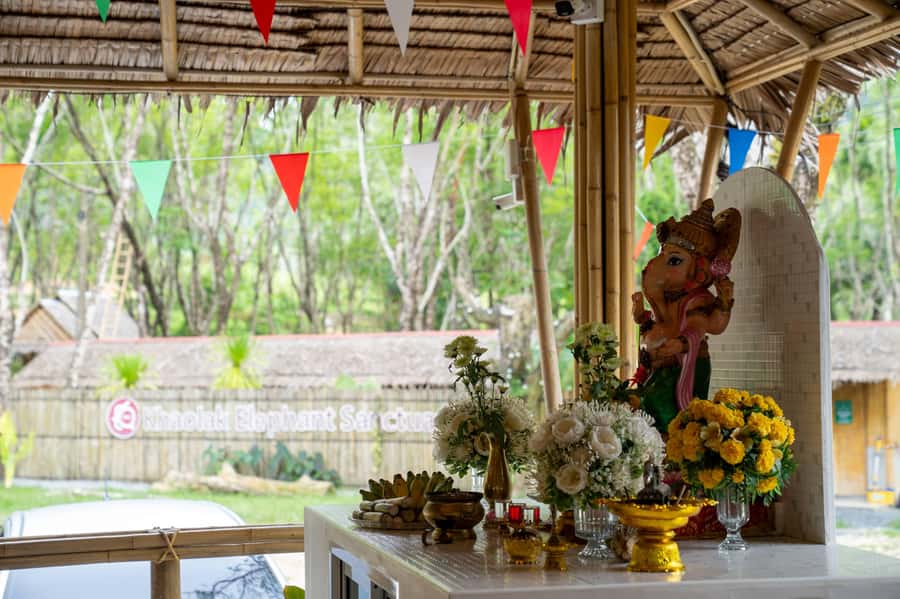
The overnight doesn’t forget Thailand beyond elephant watching. The lunch break is followed by Sai Rung Waterfall, where you get swimming time for about 20 minutes. It’s short, so you’ll want to treat it like a refreshing reset, not a full-day beach plan.
This is also one of the best places to wear swimwear and get the wet part out of your system. You’ll appreciate having a change of clothes ready, because the sanctuary-area walking can leave you damp even if you plan your timing carefully.
Then there’s the Thai cooking class, which gives you something grounded and shareable. You’ll join a cooking activity on Day 1 and again on Day 2. Cooking like this tends to make the day feel more human-scale. You’re not just watching wildlife; you’re learning daily life skills alongside people who live in this region.
Add in the included buffet meal plus fruits, tea/coffee, and drinking water, and you get the kind of basic comfort that lets you focus on the learning.
Bamboo bungalow night: calm, practical, and built for rest
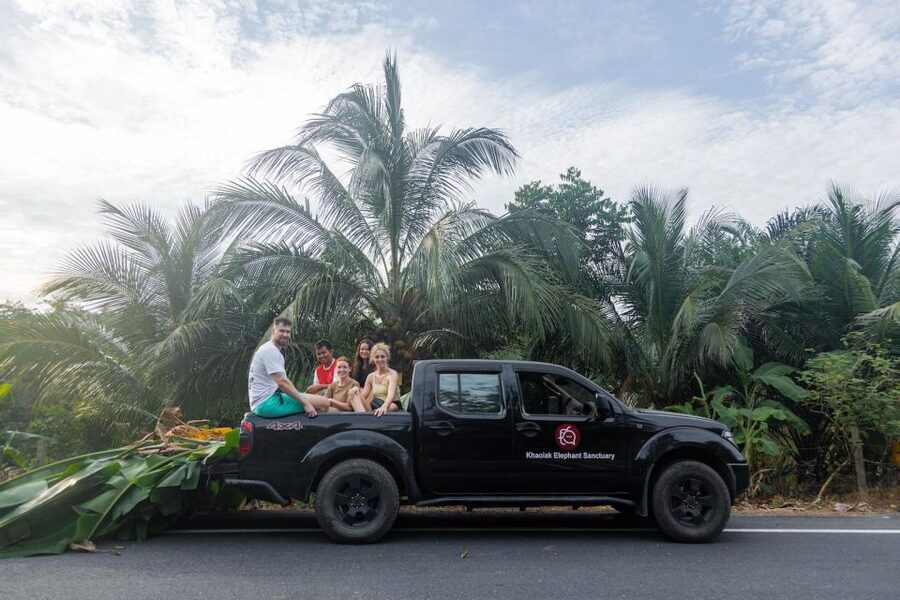
After a full day outdoors, the overnight part makes the experience feel real. You’ll settle into a peaceful bamboo bungalow with nature-based activities, which helps the night feel connected to the setting rather than separate from it.
Bamboo bungalows are often simple, but that’s the point. You’re not paying for luxury. You’re paying for time. Time to see daily routines from morning to evening, and time for the elephants to have space without your group turning the sanctuary into a constant spotlight.
You’ll also have shower room facilities, which is a must when your day includes walking in humid conditions and potentially getting muddy. Photography service is included too, which can be a relief if you want some professional-looking images without spending the whole day managing your camera.
Price and value from Phuket: who this is for
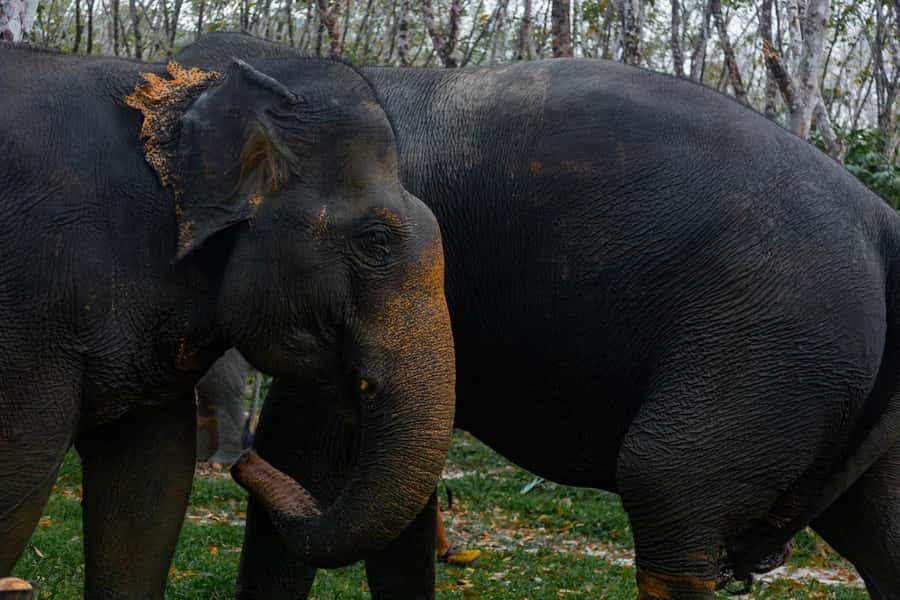
At $318 per person for 2 days, you’re paying for more than entry and transport. You’re paying for a small-group overnight with a welfare-first program, guide support throughout, meals and drinks, a cooking class experience, and a legitimate overnight stay with facilities that let you recover from the field.
Is it cheaper than the typical half-day elephant stop? No. But it’s not the same product. This is a day-long ethics-focused program with structured learning and caretaker routines, plus a second day that continues what you started. If you care about doing this the right way, the value comes from time, rules, and small group size more than from a low price tag.
This experience fits best if you want:
- A calm, education-led elephant day (not a performance)
- Real nature walking and rural scenery
- Thai cooking and farm-area cultural touches
- A chance to ask lots of questions and stay in a group that feels manageable
It’s less ideal if you expect wheelchair-friendly access. The program notes it isn’t suitable for wheelchair users.
A few practical tips that make the day easier
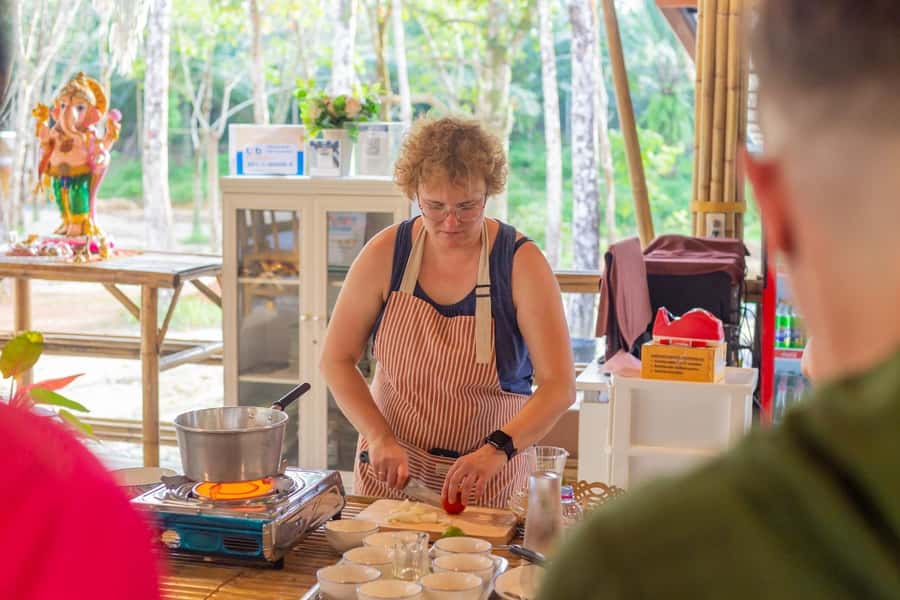
Here’s how to set yourself up for a smoother experience without losing the spirit of the program.
Bring clothing you’re okay ruining a little. Socks, clothes that can get dirty, sunscreen, and insect repellent matter. A hat helps, and quick-dry items make a big difference if the environment turns wet. Pack a towel, swimwear, and a change of clothes for the waterfall segment and the wetter parts of the day.
Also, keep expectations realistic about elephant interaction. The elephants aren’t forced into activities, and your viewing depends on comfort and willingness. That means you might see different behaviors on different days, and not every activity is guaranteed to be exactly the same.
Finally, wear shoes with grip. Mud and wet ground can be part of the journey, and you want your footing so you can focus on watching and learning.
Should you book this Khao Lak ethical overnight?
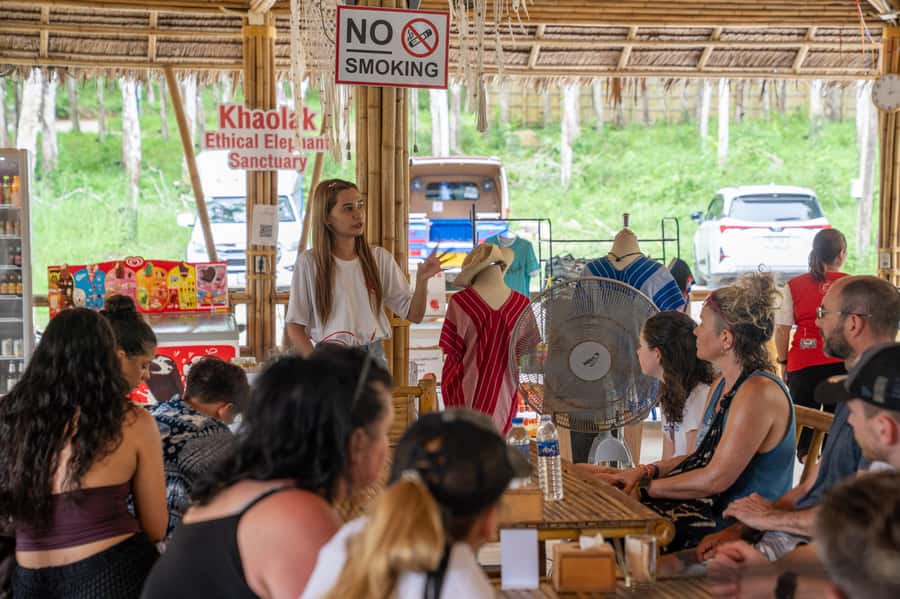
If you’re choosing between a quick elephant stop and a slow overnight, I’d lean toward this one. The welfare-first observe-only approach, the small group size, and the time spent in caretaker routines make it feel like you’re learning how care works, not just checking a box.
You should book it if you want a meaningful 2-day experience that blends wildlife observation, nature walking, Thai cooking, and a real overnight stay in a bamboo bungalow. Skip it only if you need guaranteed close contact or you’re not comfortable with muddy/wet walking and the fact that elephants control the pace of the day.
If your travel goal is ethics plus real learning, this is one of the better ways to spend your time in the Khao Lak area.
FAQ
Is this experience an observe-only elephant program?
Yes. The sanctuary follows strict welfare-first rules with no touching, no feeding, and no bathing. Elephants participate based on comfort and willingness, and your interactions are limited to respectful observation with caretakers.
How long is the Khao Lak overnight experience?
It lasts 2 days.
Where do I get picked up, and what time?
Pickup is available from hotels in Phuket. Pickup starts from about 6:30 AM and also around 10:30 AM, depending on the assigned pickup time for your booking.
What’s included in the price?
Shared pickup and drop-off, a tour guide (English), the sanctuary entry ticket, food and drink (including fruits, tea/coffee, drinking water), a Thai buffet meal, a photography service, shower room facilities, and the Thai cooking class. The program also includes meals related to the day’s activities.
Can I ride the elephants?
No. Riding the animals is not allowed.
Is the trip suitable for wheelchair users?
No. It is not suitable for wheelchair users.
More Tour Reviews in Phuket






North to Khao Sok & Khao Lak

More Time With Phuket's Elephants





Keep exploring Phuket and the Andaman coast






Khao Sok & Khao Lak Day Trips, compared.
 ★ 4.7Similan Islands Early-Bird Tour From Phuket and Khao Lak!From $1253,648 reviews
 ★ 4.7From Phuket & Khao Lak: Elephant Care with Waterfall VisitFrom $70380 reviews
 ★ 4.9Khao Lak: All-Day Elephant Sanctuary Experience Small GroupsFrom $173331 reviews
 ★ 4.0Phuket/Khao Lak: Similan Islands Luxury Catamaran ExperienceFrom $128284 reviews
 ★ 4.5Khao Sok and Cheow Lan Lake Tour with LunchFrom $161269 reviews
 ★ 4.7Guided Rainforest Hike with LunchFrom $77190 reviews
 ★ 4.8From Khao Lak: James Bond Island Canoe Trip with LunchFrom $8398 reviews
 ★ 4.6Cheow Lan Lake, Diamond Cave, Hiking, All IncludedFrom $14587 reviews
Browse the lists this tour appears in