
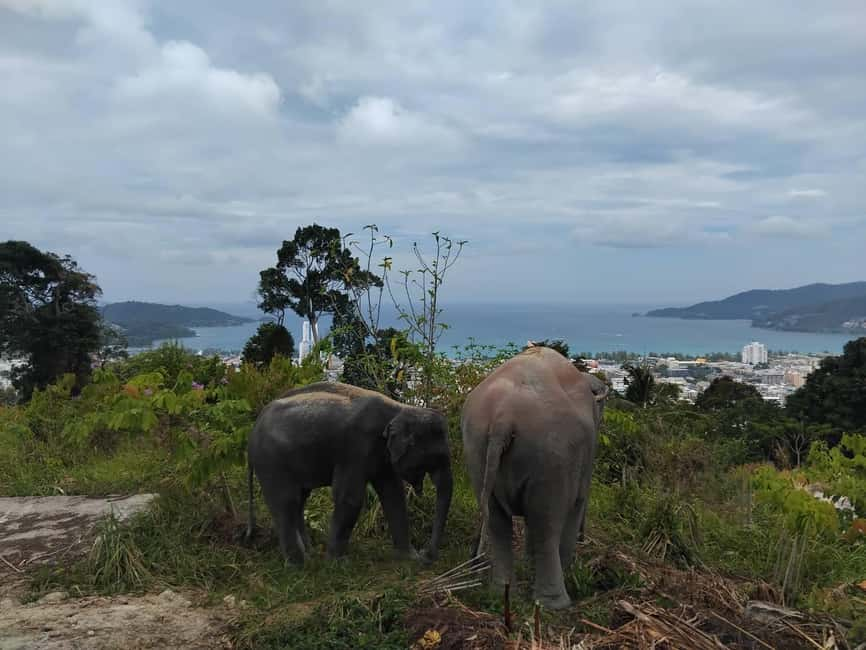
Reviewed · ETHICAL ELEPHANT ENCOUNTERS
Phuket: Eco Guided Tour at Elephant Sanctuary
Elephants and humans work side by side here. This short, hands-on Phuket experience focuses on mahout care, captive life, and how to feed elephants in a respectful way. You’ll also make and share herbal vitamin balls, which is a rare twist compared to the usual elephant photos-and-pose tours.
Two things I really like: you get a real briefing about captive vs wild elephants, plus how mahouts shape daily routines. And the sanctuary follows clear rules, including no forced bathing or mud play, so the elephants can choose what they do.
One consideration: at just about 30 minutes with the guide, it’s more of a focused intro than a full half-day immersion. If you want a long, slow day at the sanctuary, you may want a longer option.
In This Review
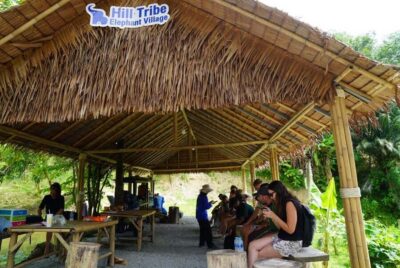
- Key highlights at Hill Tribe Elephant Village (Patong, Phuket)
- Ethical elephant tourism in Phuket: what makes this tour different
- The briefing you get before meeting the elephants
- Herbal vitamin balls: the hands-on elephant care moment
- Meeting and feeding elephants in a natural setting
- What the guide actually teaches you (and what you’ll walk away knowing)
- Timing and transportation: how this fits your Phuket day
- Price and value: why $32 can make sense for a short tour
- What to bring (and the rules you should follow)
- Who should book, and who should skip it
- Should you book this Phuket elephant sanctuary tour?
- FAQ
- How long is the elephant sanctuary experience?
- What does it cost?
- What will I do during the tour?
- Is this an ethical sanctuary experience?
- What’s included in the price?
- What should I bring?
- Can I take photos with flash?
- Who should not book, and can I cancel?
Key highlights at Hill Tribe Elephant Village (Patong, Phuket)
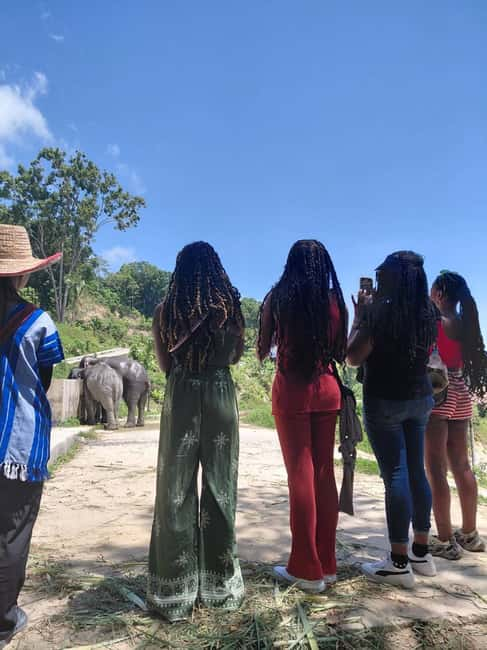
- A guided briefing on mahouts and daily care before you get close to the elephants
- Clear ethics rules like no forced bathing and no mud play
- Hands-on herbal food prep for digestion and health support
- Walk-through meeting and feeding in the sanctuary’s natural setting
- Easy learning on captive vs wild differences explained during the session
- English live guide who keeps the tone practical and approachable
Other ethical sanctuaries where you meet the herd, not ride it
- Phuket: Elephant Jungle Sanctuary Half-Day Visit with Meal★ 4.9 · 1,800 reviews
- Phuket: Elephant Save & Care Program Tour★ 4.8 · 1,790 reviews
- A Morning with the Elephants at Phuket Elephant Sanctuary★ 5.0 · 1,693 reviews
- From Phuket: Elephant Jungle Sanctuary Feed and Shower Trip★ 4.8 · 1,056 reviews
Ethical elephant tourism in Phuket: what makes this tour different
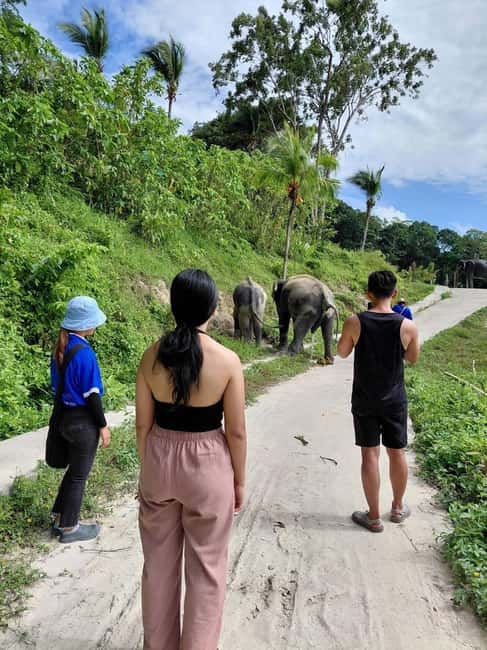
If you’re in Phuket and want to do right by elephants, this kind of eco guided stop is the way to go. The biggest difference here is the sanctuary’s approach: it respects natural behavior rather than staging interactions.
You’ll learn about the daily life of elephants in care, and also what differs between captive and wild elephants. That matters because elephant tourism isn’t just about looking at animals. It’s about understanding whether the experience supports animal welfare or treats elephants like props.
The sanctuary also spells out limits on how elephants can be handled. Forced interactions are not allowed, including forced bathing and mud play. Instead, the focus is on calm, respectful contact—plus care education that helps you see the bigger picture.
The briefing you get before meeting the elephants
Before you meet the animals, you start with an expert guide briefing. This is where the tour earns its keep, because it turns a quick encounter into something you can actually understand.
You’ll be introduced to the elephants you will meet, along with the mahouts—the caretakers who handle daily care. The guide also shares how elephants are cared for day to day, and what that means in a sanctuary setting.
One especially interesting part is the human story behind the care. The program references hill tribe elephant caretaking traditions from Mae Wang, Chiang Mai, and how those practices have continued in Patong, Phuket. That context helps you see that elephant care here isn’t only about animal handling. It’s also about a family tradition of caretaking knowledge.
If you’ve heard conflicting ideas about elephant behavior, this briefing helps straighten them out. You’ll hear how the sanctuary approaches respectful feeding and interaction, and why they avoid forcing elephants into activities that don’t match their natural rhythm.
Herbal vitamin balls: the hands-on elephant care moment
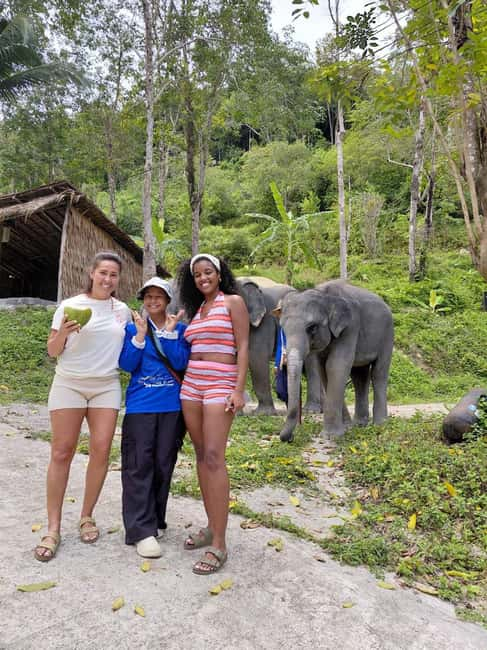
Then comes the fun part: the hands-on herbal food preparation. For this 30-minute guided session, you’ll prepare the elephants’ favorite herbal vitamin balls from natural ingredients designed to support digestion and health.
This is one of the most value-packed sections of the tour. You’re not just watching care happen. You’re helping make part of the elephants’ diet routine. Even if you’re not an animal-care expert, it gives you a tangible connection to the basics: food quality, digestion support, and consistent caretaker habits.
A practical tip for this portion: wear shoes you can walk in and handle without stressing about getting them dirty. Even though you’re not promised any “messy play,” you’ll still be moving through a sanctuary environment in the sun.
Meeting and feeding elephants in a natural setting
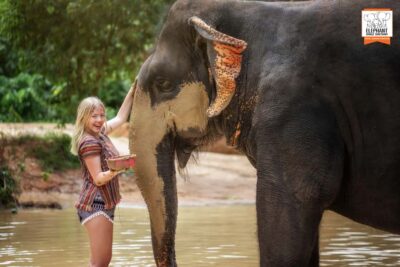
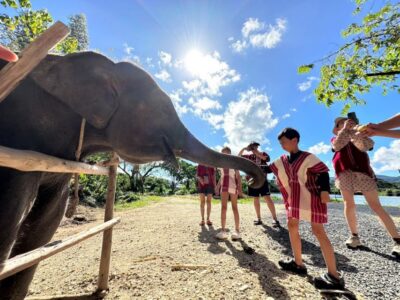
Once you’ve prepared the treats, you meet the elephants and feed the handmade herbal vitamin balls. The experience includes walking through the sanctuary to meet and feed the elephants in their natural setting.
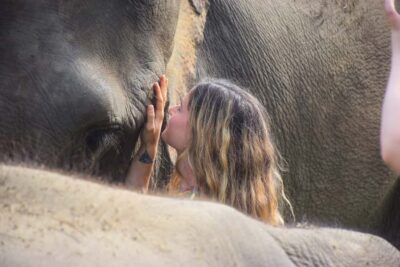
This is where the tour’s ethics rules show up in real life. The program emphasizes respectful, quiet behavior around the elephants. That’s not a “nice idea” rule. It’s a welfare rule. Loud voices and sudden movements can make animals tense. Quiet attention helps everyone stay calm.
You’ll also have a clear photography guideline: flash photography is not allowed. That’s important because flash can startle animals. So keep your camera ready, but turn off the flash.
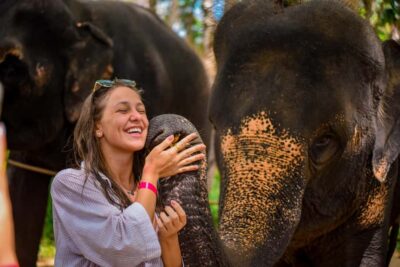
The tour also tries to avoid forced interactions. You’re not there to force contact or performance. You’re there to participate in care in a way that fits the elephants’ comfort level.
A few more things to do around Phuket worth comparing






What the guide actually teaches you (and what you’ll walk away knowing)
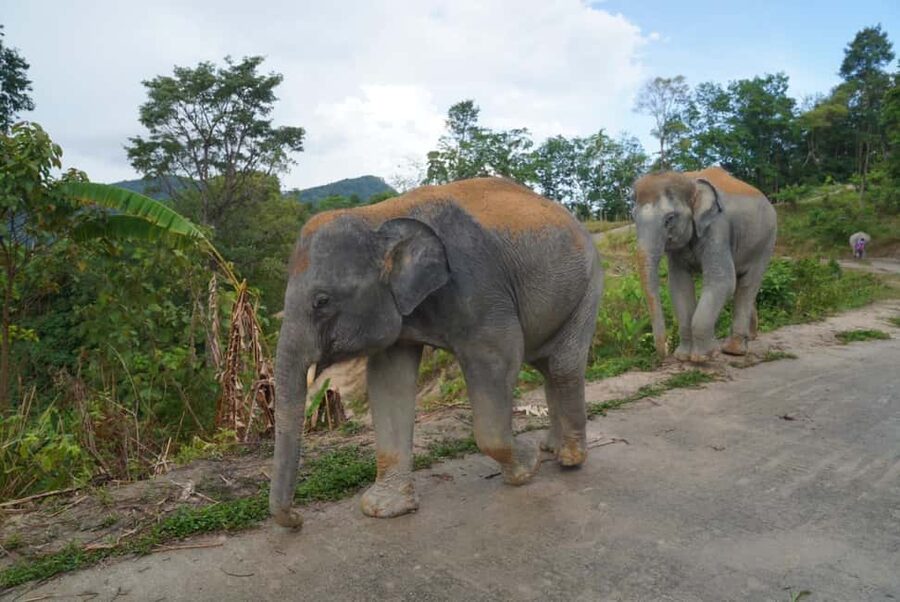
The tour covers more than the immediate feeding moment. You’ll come away with learning you can use to make sense of other elephant experiences in Thailand.
Here are the main themes you should expect:
- Daily care basics: how elephants are cared for and what mahouts do
- Captive vs wild differences: how the life of an elephant changes with human care
- Elephant behavior respect: why the sanctuary avoids forced bathing and mud play
- Nutrition context: how herbal treats relate to digestion and health support
Also, you’ll hear about the relationship between elephants and their mahouts. That’s a key idea in ethical elephant tourism. When caretakers have consistent routines and elephants are treated gently, the interaction feels different than show-style encounters.
In the same spirit, the guide experience can be memorable. One example from the program shows a guide named Mayya, praised for a fun personality. That kind of delivery can make the briefing feel lighter while still being informative.
Timing and transportation: how this fits your Phuket day
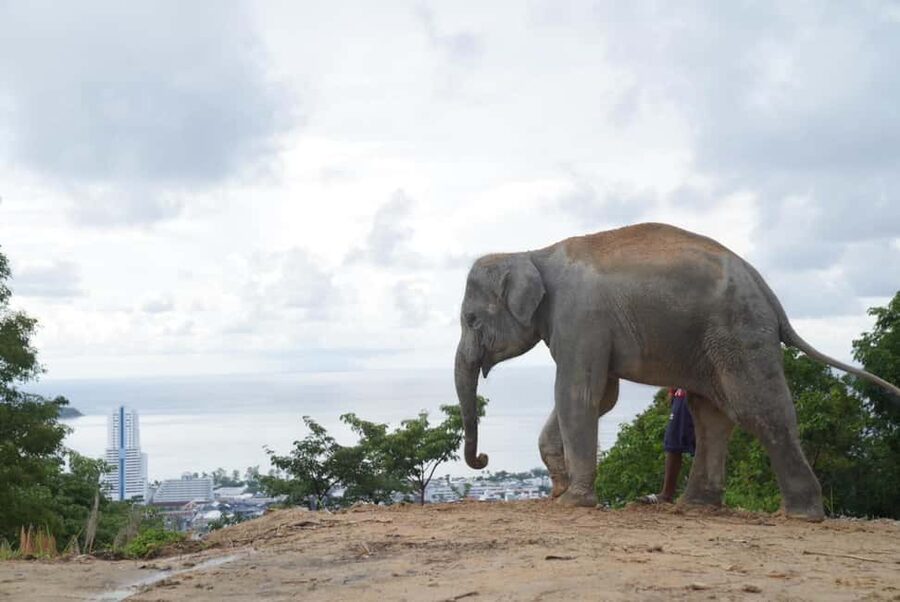
This is a short tour by design. The guided elephant experience is listed as 30 minutes, and there’s also time for van transport, with a 30-minute van leg shown in the flow.
That means you can fit it into a Phuket itinerary without sacrificing your entire day. It works well if you want to see elephants before leaving Phuket, or if you prefer smaller chunks rather than an all-day schedule.
The pickup timing depends on your selected option. After the guided portion, you’ll return via drop-off points across Phuket. The listed drop-off areas include places like Kata Beach, Bang Tao Beach, Karon Beach, Rawai Beach, Panwa Beach, and pier-area options such as Ao Po Pier and Laem Hin Lagoon Pier (with the Coconut Island ferry crossing mentioned). If you’re staying along those coastlines, chances are good the drop-off will be convenient.
If your schedule is tight, do yourself a favor: plan buffer time around transfers and sun. A quick sanctuary stop still puts you outside.
Price and value: why $32 can make sense for a short tour
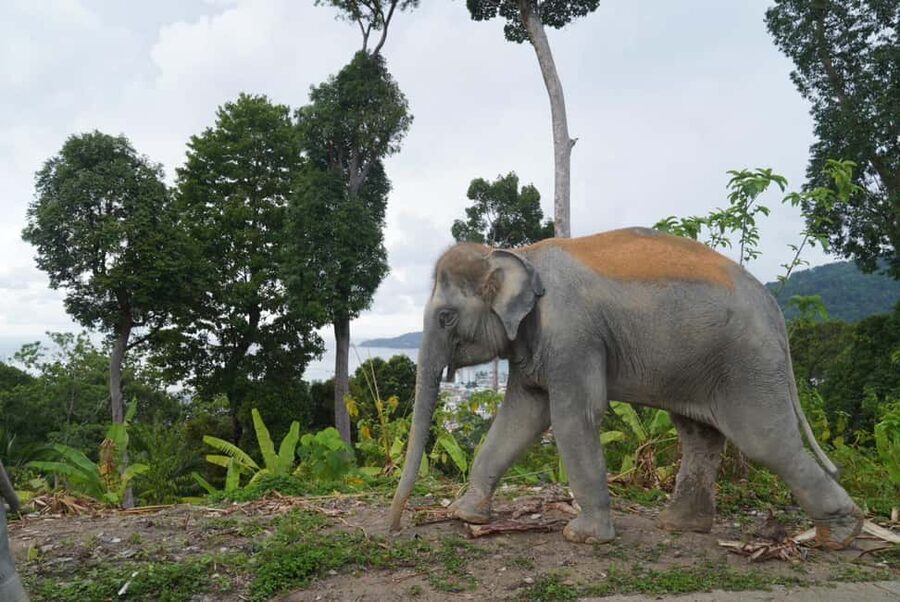
At $32 per person, this tour is easy to compare with the typical elephant-adjacent options. The value here comes from what’s included, not just the time.
In the price, you get:
- the herbal food preparation activity
- the feeding portion
- drinking water (you should bring a reused bottle)
- insurance
- round-trip transfers if you select that option
You also get a live English guide, which matters because it’s hard to judge ethics without context. This isn’t a “stand here and watch” tour. It’s framed around care, mahouts, nutrition support, and why certain interactions are banned.
Is $32 cheap? It’s not the absolute lowest price you’ll see in Phuket. But for a guided ethical experience with teaching and included activity, it’s strong value—especially if you only have a small window of time.
What to bring (and the rules you should follow)
This tour is straightforward, but the small details matter when you’re working around animals.
Bring:
- Comfortable shoes
- Hat
- Camera (and remember flash is not allowed)
- Sunscreen
- Insect repellent
Also bring a reused bottle since drinking water is included.
Wear your sun-ready outfit. Even a short session can feel intense in Thailand heat, especially if you’re walking around a sanctuary area. A hat is a real quality-of-life item here.
And keep your behavior respectful and calm. Forced interactions aren’t allowed, and the sanctuary expects you to help maintain a calm atmosphere.
Who should book, and who should skip it
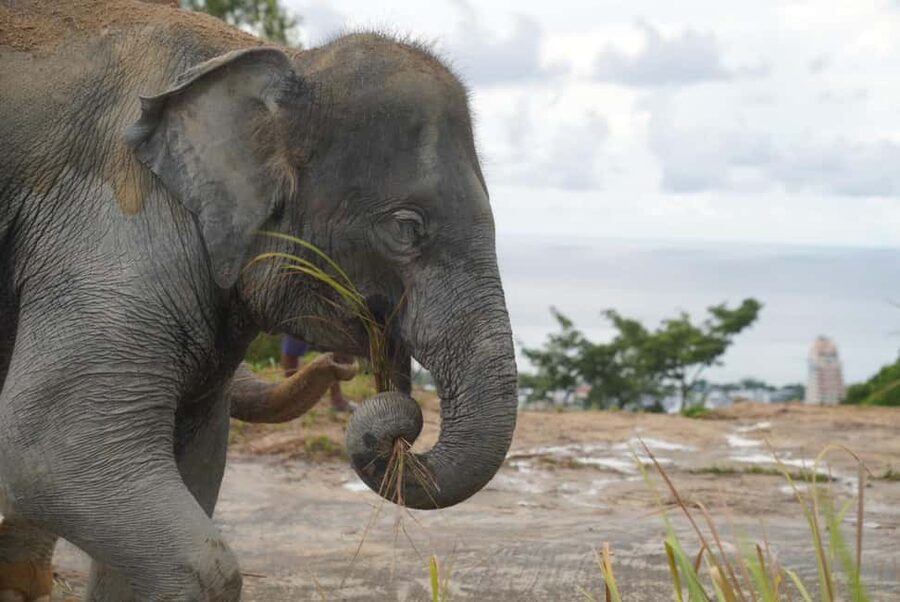
This tour is a good fit if you want:
- a short, structured ethical elephant experience
- a chance to learn about mahout care and captive vs wild differences
- a hands-on role through preparing herbal vitamin balls
- respectful feeding without show-style tricks
It may not fit if you have certain constraints. The tour is listed as not suitable for:
- pregnant women
- people with mobility impairments
- people with animal allergies
There’s also a listing note that the activity is wheelchair accessible, which sounds positive at first. But since the tour is also marked not suitable for people with mobility impairments, you should treat that as a caution flag and confirm what the on-the-ground walking and handling actually requires for your situation.
Should you book this Phuket elephant sanctuary tour?
If your goal is an ethical, guided elephant experience with real education, I think this one deserves a spot on your Phuket list. The highlights are the briefing about mahouts and captive vs wild elephants, the clear welfare rules (no forced bathing, no mud play), and the hands-on herbal vitamin ball preparation.
Book it if you have limited time and you want an experience that feels respectful rather than flashy. Skip it if you need a longer sanctuary visit or if the tour’s suitability limits apply to you.
If you’re unsure, use the key filter: are you choosing a tour that teaches you care and restricts forced interactions? This one is built around exactly that.
FAQ
How long is the elephant sanctuary experience?
The guided tour portion is listed as 30 minutes. There is also van time included in the overall flow.
What does it cost?
The price is $32 per person.
What will I do during the tour?
You’ll start with a guide briefing about the elephants, mahout caretakers, and captive vs wild differences. Then you’ll prepare herbal vitamin balls, meet the elephants, and feed them your handmade treats.
Is this an ethical sanctuary experience?
The sanctuary focuses on sustainable and ethical elephant tourism and does not allow forced bathing or mud play. It also emphasizes respectful behavior and avoiding forced interactions with elephants.
What’s included in the price?
Included activities are the herbal food preparation and feeding elephants. You also get drinking water (bring a reused bottle) and insurance. Round-trip transfers are included if you select the transfer option.
What should I bring?
Wear comfortable shoes and bring a hat, camera, sunscreen, and insect repellent. Bring a reused bottle for the included water.
Can I take photos with flash?
No. Flash photography is not allowed.
Who should not book, and can I cancel?
The tour is not suitable for pregnant women, people with mobility impairments, and people with animal allergies. You can cancel up to 24 hours in advance for a full refund, and you can reserve now and pay later.
More Tours in Phuket





More Tour Reviews in Phuket




More Time With Phuket's Elephants




Keep exploring Phuket and the Andaman coast





Ethical Elephant Encounters, compared.
 ★ 4.8Elephant Jungle Sanctuary Ethical Feeding ExperienceFrom $284,359 reviews
 ★ 4.8Elephant Sanctuary Guided Tour with Hotel TransfersFrom $412,020 reviews
 ★ 4.9Elephant Jungle Sanctuary Half-Day Visit with MealFrom $901,800 reviews
 ★ 4.8Elephant Save & Care Program TourFrom $831,790 reviews
 ★ 5.0A Morning with the Elephants at Phuket Elephant SanctuaryFrom $971,693 reviews
 ★ 4.8Lily Elephant Half day Trip on the Beach with lunchFrom $831,420 reviews
 ★ 4.7Elephant Experience with Lunch or Dinner and PickupFrom $671,387 reviews
 ★ 4.8Elephant Jungle Sanctuary Feed and Shower TripFrom $611,056 reviews
Browse the lists this tour appears in