
Reviewed · ETHICAL ELEPHANT ENCOUNTERS
Phuket : Guided Tour to Elephant Sanctuary with Transfers
Rescued elephants, real jungle time in Phuket. This guided visit to Patong Hill Tribe Elephant Village uses hotel transfers plus a calm, hands-on walk where you get an elephant-and-mahout introduction before you head into the forest.
I really like how the focus stays on care, not performance. You’re there to understand how rescued elephants live with their hill tribe caretakers, including the close bond between each mahout and their elephant.
The second thing I like is the hands-on food part. You help with banana tree and grass harvesting, then you can offer herbal elephant food by hand in a quiet, respectful way.
One consideration: it’s a forest visit, not a flat stroll. Expect uneven ground and follow the conduct rules closely, including no flash photography and no direct touching or bathing of the elephants.
In This Review
- Key highlights at a glance
- Entering Patong Hill Tribe Elephant Village: What This Tour Really Is
- Transfers and timing: how the van ride shapes your day
- The hill tribe introduction: meeting the elephants through their caretakers
- The forest walk: learning elephant behavior on foot
- Food prep in the garden: banana trees and fresh grass feeding time
- The calm elephant time: relaxing, meeting other elephants, and soaking it in
- Rules that matter: keeping it respectful for elephants and people
- Price and value in Phuket: what $45 buys you (and why it feels fair)
- Who should book this elephant sanctuary walk in Phuket
- Quick packing and on-the-day essentials
- Should you book Patong Hill Tribe Elephant Village?
- FAQ
- How long is the elephant sanctuary tour in Phuket?
- Do I get hotel pickup and drop-off?
- What activities are included during the visit?
- Can I feed the elephants?
- What should I bring, and is there anything I shouldn’t bring?
- Is the tour suitable for everyone?
- Is free cancellation available?
Key highlights at a glance

- 1-hour guided forest walk with elephants in their natural roaming space
- Mahout-elephant connection explained during the opening introduction
- Food prep activities: cutting banana trees and collecting fresh grass
- Hand-feeding herbal elephant food after the walk
- A small, relaxed feel that can feel close to private on certain time slots
Other ethical sanctuaries where you meet the herd, not ride it
- Phuket: Elephant Jungle Sanctuary Half-Day Visit with Meal★ 4.9 · 1,800 reviews
- Phuket: Elephant Save & Care Program Tour★ 4.8 · 1,790 reviews
- A Morning with the Elephants at Phuket Elephant Sanctuary★ 5.0 · 1,693 reviews
- From Phuket: Elephant Jungle Sanctuary Feed and Shower Trip★ 4.8 · 1,056 reviews
Entering Patong Hill Tribe Elephant Village: What This Tour Really Is
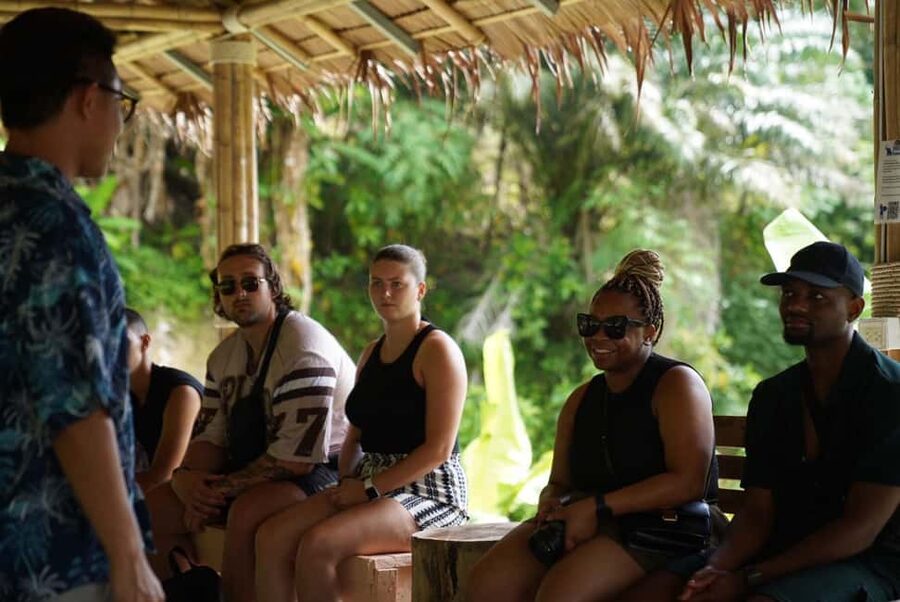
This is a short Phuket activity built around one idea: you spend time with elephants who are cared for as retired tourism animals, not as attractions. The tour is designed as an education-first experience, starting with how the elephants live and how caretakers interpret their behavior day to day.
You’ll meet your guides and the hill tribe caretakers, then learn why the mahout relationship matters. In plain terms, you’re being taught to watch elephants the way caretakers do—so you’re not just staring from a safe distance.
The vibe stays calm. There’s no frantic schedule, no heavy circus-style interaction, and the focus remains on walking alongside the elephants as they forage and interact naturally. That matters because elephants read stress fast, and the sanctuary setting helps keep the moment gentle for everyone.
Transfers and timing: how the van ride shapes your day
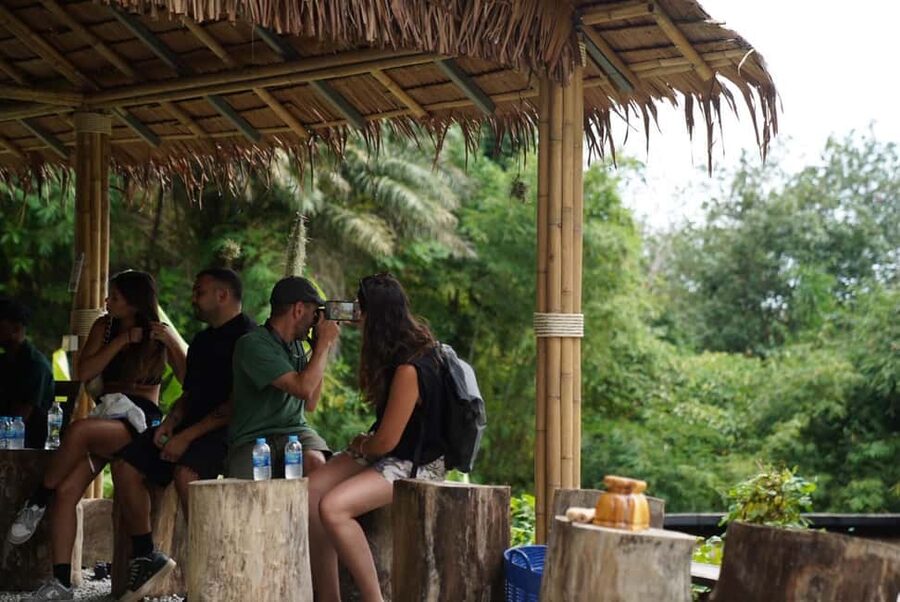
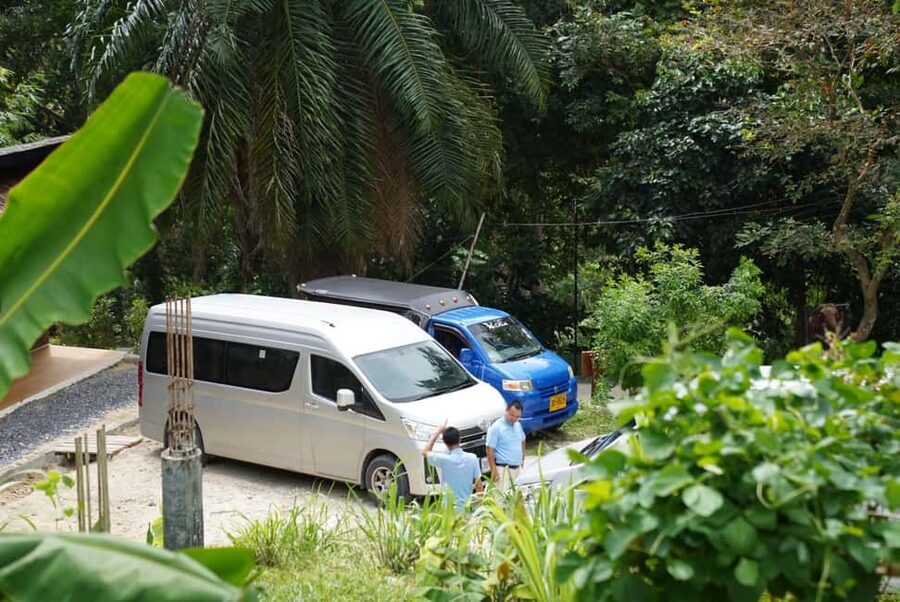
Pickup is optional, but if you choose it, the tour uses a van transfer timed into a simple rhythm: a ride out, your 1-hour guided forest experience, then the return. The drive segments are listed as about 20 minutes each way, and your drop-off can be anywhere from Phuket areas like Kamala and Karon to beach zones like Kata and Surin.
This matters for planning. If you’re already juggling beach time, shopping, or day tours, the transfer option makes the whole thing feel like an easy block on your itinerary rather than a complicated scramble to reach the sanctuary.
You can also pick either a morning or afternoon slot. Based on the experience reports you’ll come across, the early timing can feel quieter and more flexible, while later slots tend to be cooler and more relaxed. If your goal is comfort in the heat, the afternoon slot is often the smarter bet.
The hill tribe introduction: meeting the elephants through their caretakers
Before you step into the reserve, you’ll get a proper intro: you’re introduced to the elephants and their hill tribe caretakers, and you learn about daily care routines. This isn’t just a history talk. It’s meant to change how you watch the animals once you’re actually walking with them.
One theme emphasized in the experience is the deep connection between each mahout and their elephant. That sounds poetic, but it’s practical. When you understand who cares for an elephant and how that caretaker reads behavior, the whole experience becomes clearer.
Some guests mention guides by name, including Pa and Par. Others remember a pickup contact described as Top man Mike. Even if your guide isn’t the same person, the structure is consistent: you get context first, then you see the behavior up close.
Also, the tour keeps the “human part” close. You’re not dropped off and left to wander. You stay with your guide and caretakers the whole time, with attention on safety and respectful distance.
The forest walk: learning elephant behavior on foot
Once you’re ready, you’ll walk into the forest alongside the elephants as they roam and forage. This is where the tour earns its keep, because you get to experience elephant movement as something natural and unforced.
Your guides share insights into elephant behavior and communication—how elephants show comfort or curiosity through posture, attention, and body language. It’s the kind of education that sticks because you’re seeing it in real time, not watching it in a video.
One of the more memorable details is how the elephants interact during the walk. Guests have described them as comfortable and cheeky—sometimes stealing extra food or treats—because the animals are used to their caretakers’ routines. That doesn’t mean you can relax your focus. It means the elephants behave like elephants, not like staged performers.
The walk itself is short enough to fit into a 1-hour total village program, but it still feels like you’re going somewhere real. You’re in the reserve, not an attraction yard.
Simple airport and hotel transfers to lock in ahead






Food prep in the garden: banana trees and fresh grass feeding time
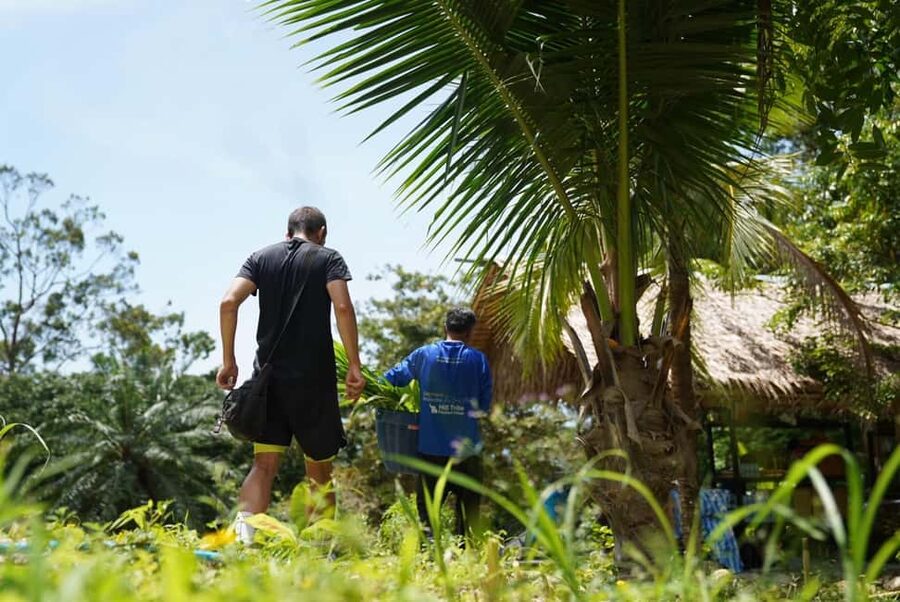
After the walk, you shift into food preparation. This is one of the most hands-on parts of the experience and one reason it feels meaningful, not passive.
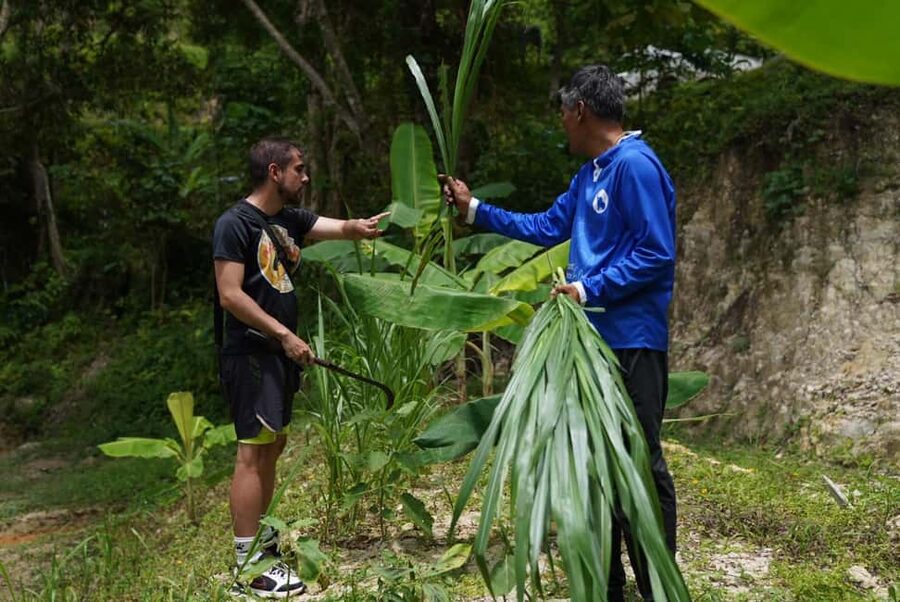
You help prepare meals for the elephants by cutting banana trees and collecting fresh grass from the sanctuary garden area. It’s not complicated work, but it’s real participation. You’re contributing to a daily care routine rather than just watching someone else do it.
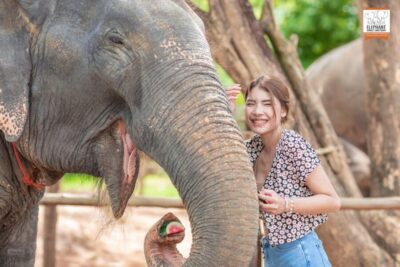
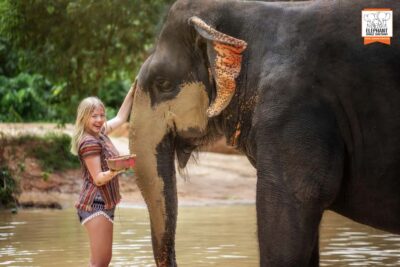
Then comes the hand-feeding moment. You’ll have herbal elephant food and can feed the elephants from your hand. That sounds like a thrill, but it’s also a trust-based activity that’s only possible when the caretakers manage it carefully.
A few practical notes from how the day is described:
- Bring a camera, but don’t rely on flash (it’s not allowed).
- Wear sunscreen and insect repellent, because you’ll be outdoors for the walk.
- Follow the caretakers’ cues immediately if an elephant approaches faster than you expect.
It’s also worth noting what this activity communicates. Feeding is not a random photo op here. The guides frame it as part of well-being—getting the elephants what they need to forage and feed in a sanctuary setting.
The calm elephant time: relaxing, meeting other elephants, and soaking it in
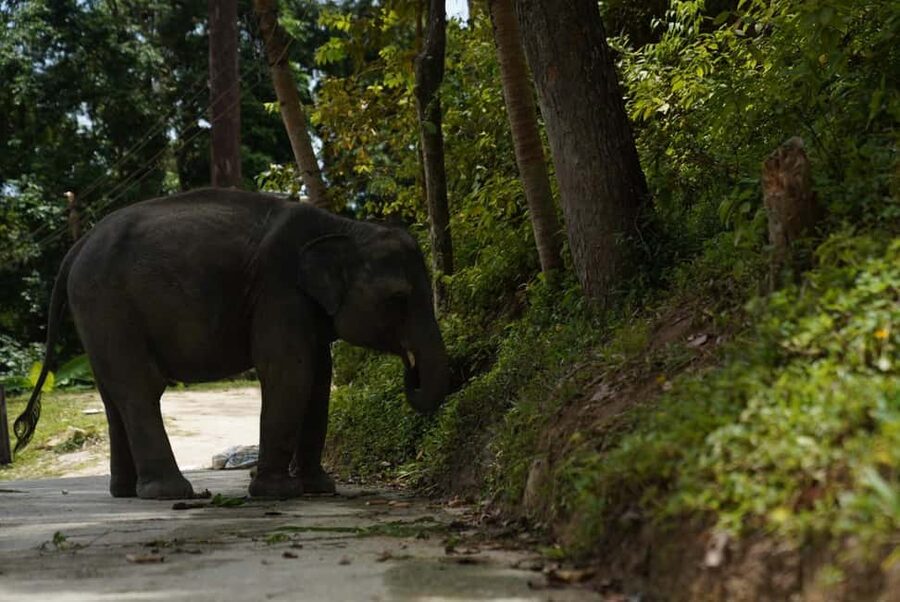
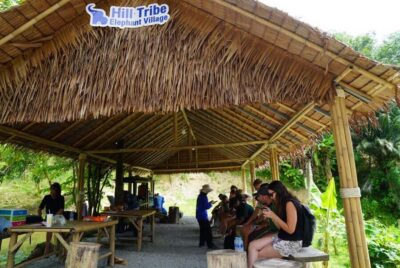
The visit doesn’t end the instant feeding is done. You’ll have time in the serene environment to slow down, meet other elephants at the sanctuary, and take in the natural surroundings.
This “settle in” time is underrated. In many experiences, you’re rushed from one moment to the next. Here, the format gives you space to watch how different elephants behave in the same area—how they react to sounds, body cues from caretakers, and the rhythm of care routines.
If you like animal time without pressure, this part is a big win. It’s also where your earlier elephant education pays off. Once you recognize patterns—stillness, attention shifts, foraging behavior—you start seeing more than just a cute interaction.
And yes, you’ll likely leave with photos. Guests mention that guides took plenty of pictures, which is helpful if you’re not trying to balance a camera and your own safety.
Rules that matter: keeping it respectful for elephants and people
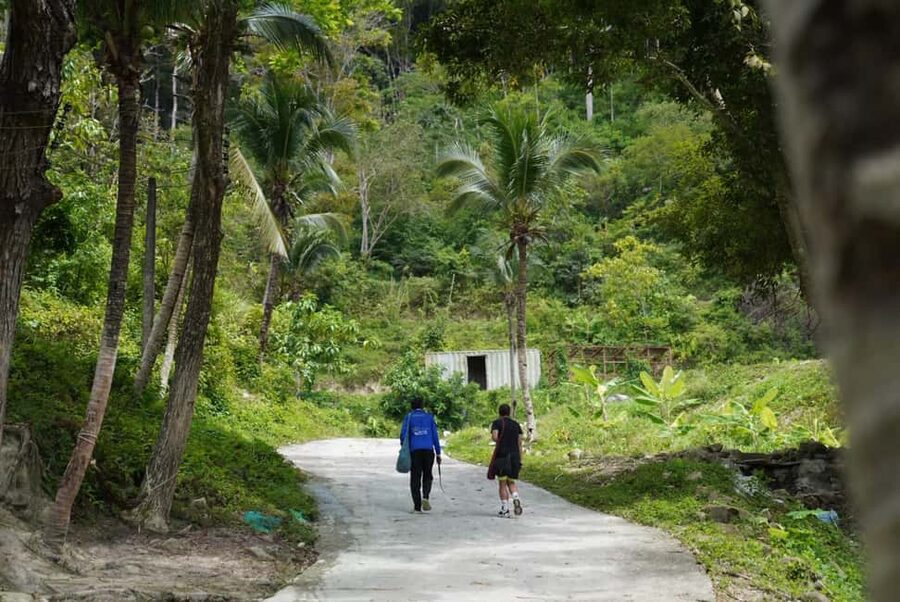
This tour has clear guidelines, and honestly, they help you enjoy it more. When you know what’s off-limits, you don’t spend the day second-guessing yourself.
Key rules you should follow:
- No flash photography.
- Keep noise levels low; loud noises aren’t allowed.
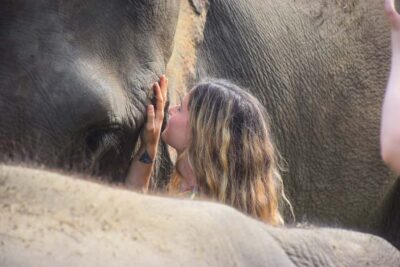
- No direct bathing or touching of the elephants.
- You should avoid behaviors that push elephants out of their comfort zone.
These restrictions also reduce the chaos that often makes animal encounters feel exploitative. The sanctuary model here is about calm contact, education, and safe proximity—not forced intimacy.
There’s also a practical etiquette side. You’ll be asked to move and wait with the group, and you’ll be guided on when to feed from your hand. Treat the caretakers’ instructions like the main event.
Price and value in Phuket: what $45 buys you (and why it feels fair)
At $45 per person for a 1-hour experience, this tour sits in the “worth it if it’s aligned with your values” category. You’re not paying just for a walk—you’re paying for:
- Guided education in elephant behavior and communication
- A forest walk in a sanctuary setting
- Hands-on preparation activities (banana trees and grass harvesting)
- A hand-feeding opportunity with herbal food
- Insurance, plus drinking water (bring your reused bottle)
- Optional hotel transfers
Where the value comes through is the structure. Short tours can sometimes feel like a quick pass-through. Here, the time is packed into meaningful steps: introduction, walk, care-food preparation, and then calm time with the elephants.
Transfers can add convenience that’s hard to price, especially if you’re staying in beach areas like Kamala, Kata, Surin, Karon, or Bangtao. Even if you don’t use pickup, the experience is still designed around a tight, focused schedule.
If you care about ethical elephant tourism and want an experience that doesn’t revolve around riding, this price can feel reasonable for what you actually do and learn.
Who should book this elephant sanctuary walk in Phuket
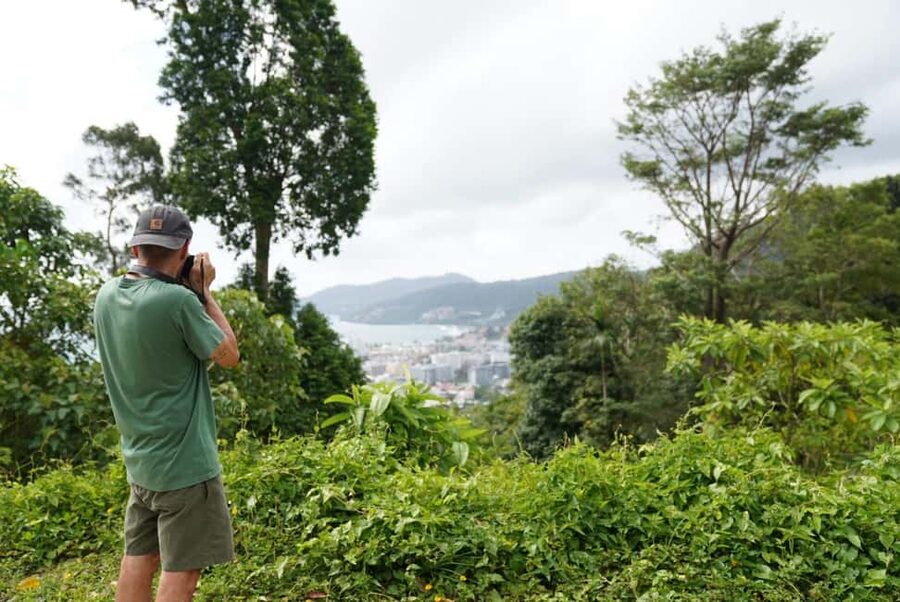
This tour is best for you if you want a respectful elephant experience built around learning and care routines. You’ll likely enjoy it if:
- You want a calm, hands-on visit rather than a theme-park style attraction
- You like short activities that fit into a Phuket day without stealing your whole morning or afternoon
- You’re comfortable following rules designed to keep elephants and people safe
It’s less suitable if you have:
- Back problems
- Pregnancy
- Animal allergies
One more practical point: the experience is wheelchair accessible, but it still takes place in a reserve with outdoor walking. In at least one account, staff supported a guest with limited mobility by adjusting how the visit happened, including bringing an elephant to the meeting area when hills limited movement.
Quick packing and on-the-day essentials
Bring the basics that make outdoor time comfortable. The tour suggests:
- Hat
- Camera
- Sunscreen
- Insect repellent
Also bring a reused bottle for the drinking water provided. That’s a small thing, but it keeps you from hunting for a shop mid-walk.
Plan to follow the timing advice closely. Pickup is arranged based on the selected option, and if you arrive more than 10 minutes late or after the program has started, you may be treated as a no-show. It’s not the moment to get brave with traffic.
Should you book Patong Hill Tribe Elephant Village?
Book it if you want an elephant sanctuary visit that feels calm, educational, and centered on care. The combination of a forest walk, caretakers’ guidance, and the food prep + hand-feeding element makes this more than a quick photo stop.
Skip it if any of the unsuitability notes apply—especially if you have back problems, are pregnant, or have animal allergies. Also skip if you don’t want to follow strict encounter rules like no flash photography and no touching or bathing.
If you’re looking for a short Phuket experience that respects elephants and helps you understand them better, this is one of the more solid choices.
FAQ
How long is the elephant sanctuary tour in Phuket?
The guided program runs for 1 hour.
Do I get hotel pickup and drop-off?
Hotel transfer is optional. If you select pickup, the van ride is included, with drop-offs listed across Phuket areas like Kamala, Kata, Surin, Karon, Bangtao, and more.
What activities are included during the visit?
You get a guided forest walk with elephants, an elephant education session, and a food-prep activity involving cutting banana trees and collecting grass. You’ll also have drinking water included.
Can I feed the elephants?
Yes. The experience includes herbal elephant food, and you can feed the elephants from your hand during the visit.
What should I bring, and is there anything I shouldn’t bring?
Bring a hat, camera, sunscreen, and insect repellent. Flash photography is not allowed.
Is the tour suitable for everyone?
It’s not suitable for pregnant women, people with back problems, or people with animal allergies.
Is free cancellation available?
Yes. You can cancel up to 24 hours in advance for a full refund, and you can reserve now and pay later (pay nothing today).
More Tour Reviews in Phuket






Getting Around Phuket

More Time With Phuket's Elephants





Keep exploring Phuket and the Andaman coast






Ethical Elephant Encounters, compared.
 ★ 4.8Elephant Jungle Sanctuary Ethical Feeding ExperienceFrom $284,359 reviews
 ★ 4.8Elephant Sanctuary Guided Tour with Hotel TransfersFrom $412,020 reviews
 ★ 4.9Elephant Jungle Sanctuary Half-Day Visit with MealFrom $901,800 reviews
 ★ 4.8Elephant Save & Care Program TourFrom $831,790 reviews
 ★ 5.0A Morning with the Elephants at Phuket Elephant SanctuaryFrom $971,693 reviews
 ★ 4.8Lily Elephant Half day Trip on the Beach with lunchFrom $831,420 reviews
 ★ 4.7Elephant Experience with Lunch or Dinner and PickupFrom $671,387 reviews
 ★ 4.8Elephant Jungle Sanctuary Feed and Shower TripFrom $611,056 reviews
Browse the lists this tour appears in