
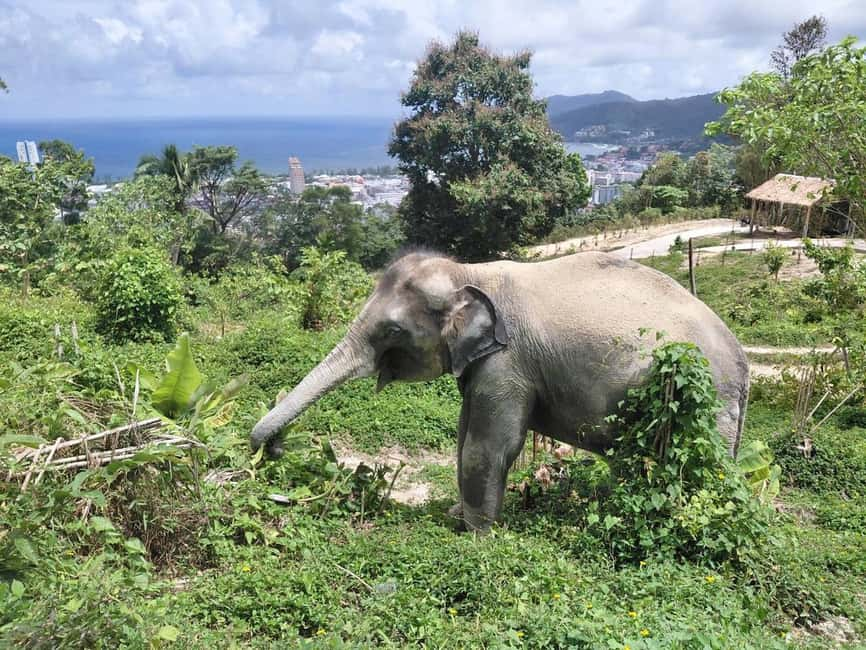
Reviewed · ETHICAL ELEPHANT ENCOUNTERS
Phuket: Guided Walk Tour to Elephant Sanctuary with Transfer
A short walk can teach more than a long lecture. This Phuket guided experience pairs elephant education with a peaceful jungle trail walk, ending with a gentle chance to hand-feed treats. I like the focus on captivity vs wild behavior and how caretakers explain daily elephant life, not just photos for your camera. One thing to consider: the tour is only 90 minutes, so if you’re hoping for a longer, deeper program, you may feel slightly rushed.
You’ll start with an introduction to the elephants—how they ended up in the sanctuary and what their routine looks like. Then you’ll move through scenic hillside trails at an easy pace, with your guide explaining elephant body language, social interactions, and natural eating habits. It’s designed to be respectful and calm, and one review specifically praised that the elephants roam freely in a very ethical setting.
Before you go, do a quick reality check on fit: the activity lists several “not suitable” limits (including children under 6 and people with back problems). Also note the accessibility information is a bit mixed—wheelchair access is mentioned, yet wheelchair users are also listed as not suitable—so I’d confirm with the operator before you book if that applies to you.
In This Review
- Key Things I’d Prioritize on This Elephant Sanctuary Walk
- A Calm 90 Minutes in Phuket’s Hill-Trail Elephant Sanctuary
- Getting There: Hotel Pickup, Van Ride, and Drop-Off Rhythm
- Starting With Elephant Background and Daily Life Lessons
- The Guided Jungle Walk: How to Watch Elephants Without Missing the Point
- Hillside Habitat Viewing and the Social Side of Elephant Life
- Hand-Feeding at the End: Responsible Contact With Treats
- Price and Value: Is This Phuket Elephant Walk Worth $51?
- What to Pack and What Rules to Follow
- Who This Experience Fits (and Who Should Skip It)
- Should You Book This Phuket Elephant Sanctuary Walk?
- FAQ
- How long is the Phuket elephant sanctuary guided walk?
- Is hotel transfer included?
- What language is the tour guide?
- What should I bring?
- Is smoking allowed during the tour?
- Is the tour suitable for young children?
- What is the cancellation policy?
Key Things I’d Prioritize on This Elephant Sanctuary Walk
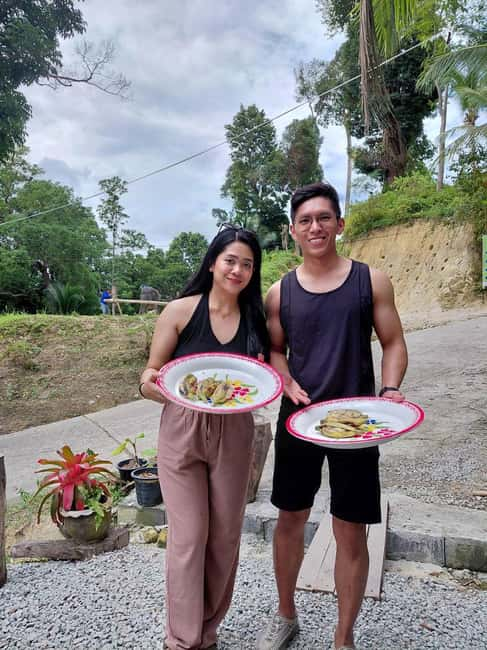
- Captive vs wild elephant education that helps you understand what you’re seeing
- Jungle trail walking through the sanctuary’s natural hillside habitat
- Caretaker and hill tribe insight tied to daily elephant care and mahout traditions
- Elephant behavior coaching focused on body language and social dynamics
- Hand-feeding treats at the end as a controlled, responsible interaction
- Hotel transfer included to reduce your Phuket stress levels
Other ethical sanctuaries where you meet the herd, not ride it
- Phuket: Elephant Jungle Sanctuary Half-Day Visit with Meal★ 4.9 · 1,800 reviews
- Phuket: Elephant Save & Care Program Tour★ 4.8 · 1,790 reviews
- A Morning with the Elephants at Phuket Elephant Sanctuary★ 5.0 · 1,693 reviews
- From Phuket: Elephant Jungle Sanctuary Feed and Shower Trip★ 4.8 · 1,056 reviews
A Calm 90 Minutes in Phuket’s Hill-Trail Elephant Sanctuary

This isn’t a show. It’s a guided walk built around education, observation, and respectful contact with animals that live in a real sanctuary setting. The entire program runs about 90 minutes, which is a sweet spot when you want something meaningful without losing half a day to logistics.
The atmosphere matters here. You’re not herded around for tricks, and the tour pace is meant to stay calm while you learn how elephants behave when they aren’t performing. That makes it easier to notice details like how elephants move together, how they react to surrounding sounds, and how their feeding routine fits into their day.
One of the most practical parts is that you’ll get a structured flow: a short intro first, a guided walk in the middle, then an end-of-tour feeding moment. That structure helps you avoid the common problem in animal encounters—confusing what you’re seeing with what you’re being encouraged to do.
Getting There: Hotel Pickup, Van Ride, and Drop-Off Rhythm
The experience includes hotel transfer, and the itinerary includes a van ride of about 20 minutes. That matters because Phuket traffic can turn even short distances into long waits, and a scheduled pickup keeps the day simple.
Pickup depends on where you stay. You have options that can include meeting at a chosen point, or pickup from areas such as Patong, Kata, Karon, Phuket Town, Kamla, Surin, Bangtao, and Laguna. If you’re outside the pickup zones, you’ll likely need to choose the meeting point option instead.
After the sanctuary portion, you’ll be dropped off in the original pickup area footprint—there are multiple listed drop-off locations like Kamala Beach, Hill Tribe Elephant Village, Kalim Beach, Tri Trang Beach, Karon, Bang Thao, Old Phuket Town, Kathu, Phuket, Pa Tong, and Kamala. In plain terms: you should be able to go home without negotiating your own ride at the end.
Starting With Elephant Background and Daily Life Lessons
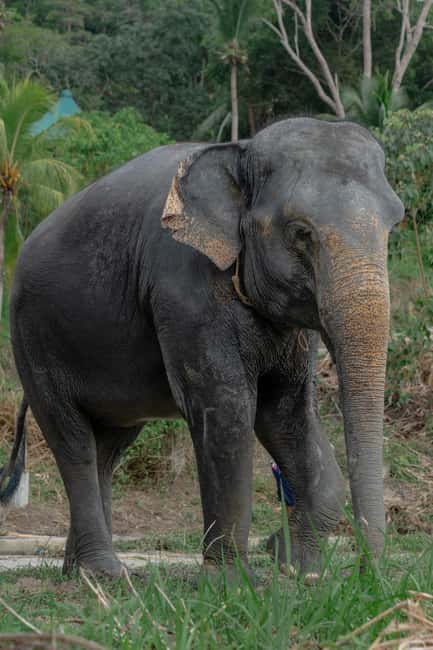
Before you step onto trails, the guide introduces the elephants and explains how they came to live in the sanctuary. That early context makes the entire walk click, because captivity changes everything about an animal’s routine—and your guide will help you understand the difference between wild and captive elephant life.
You’ll also get a short education session on what to look for. Expect explanations of elephant behavior and social interactions, plus guidance on reading body language. This is more useful than it sounds. Elephants communicate with subtle signals—ears, posture, distance, and pacing—and your guide helps you notice rather than guess.
Your tour includes hill tribe caretaker insights. That’s where you’ll get a human layer: the people who care for the elephants and the traditions tied to mahout practices. Even if you don’t know anything about elephants going in, you’ll leave with a better sense of how care works day to day, not just the highlight moments.
One extra detail that can affect the experience: the tour guide is listed as English. Some travelers have pointed out language preferences, so if you want German (for example), you’ll want to confirm what’s available ahead of time. Based on the guides you might be assigned, you could even be paired with someone like Toni, who has been described as very knowledgeable and ready to go the extra mile.
The Guided Jungle Walk: How to Watch Elephants Without Missing the Point

The main part of the tour is the guided walk through sanctuary jungle trails—about 1.5 hours total for the elephant portion. You’re walking at a pace that aims to be calm, and the route is designed to be scenic without turning into a fitness test.
What makes this walk valuable is that it’s not just a stroll with elephants in the background. Your guide actively explains what you’re seeing as you go—how elephants eat naturally, how they move through their space, and how their social groupings form and shift. This is where the “watch and learn” approach beats the usual rush to snap photos and move on.
You’ll also learn what the difference between wild and captive elephants looks like in day-to-day behavior. That’s not trivia; it’s the context behind every interaction you witness. For example, you may notice how elephants use space differently than you’d expect from “wild” stereotypes, and your guide helps you interpret that without assuming it’s the same as forest life.
If you’re someone who likes getting the story behind animal welfare, this is the section you’ll remember. It turns your attention from a single moment to the whole picture of elephant life in a sanctuary.
Simple airport and hotel transfers to lock in ahead






Hillside Habitat Viewing and the Social Side of Elephant Life
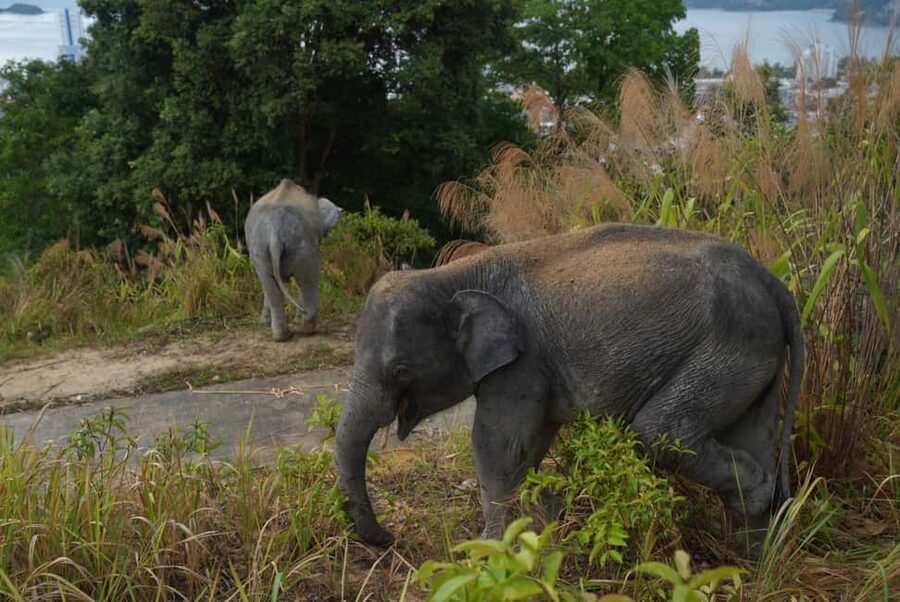
As you walk, you’ll observe the elephants in their natural hillside habitat. That phrase matters because it’s the setting that shapes everything—angles, sightlines, how the elephants approach or stay at a distance, and how they settle in.
Your guide will explain elephant behavior and body language while you’re watching. Expect guidance on things like social interactions—how elephants relate to each other, how they maintain proximity, and how group behavior changes with movement. These are the moments that feel less like a “tour” and more like you’re learning to read animal communication.
This section also helps you avoid one common mistake: treating animals like attractions. The tour is framed as respectful and calm, and you’re encouraged to observe rather than rush the moment. If you keep your pace steady and follow your guide’s instructions, the walk tends to feel smooth and rewarding.
And yes, you’ll still have plenty of photo opportunities. But the best pictures usually come when you stop trying to “grab the shot” and start noticing the pattern your guide is highlighting—an ear flick, a shift in posture, a slow turn toward the herd.
Hand-Feeding at the End: Responsible Contact With Treats
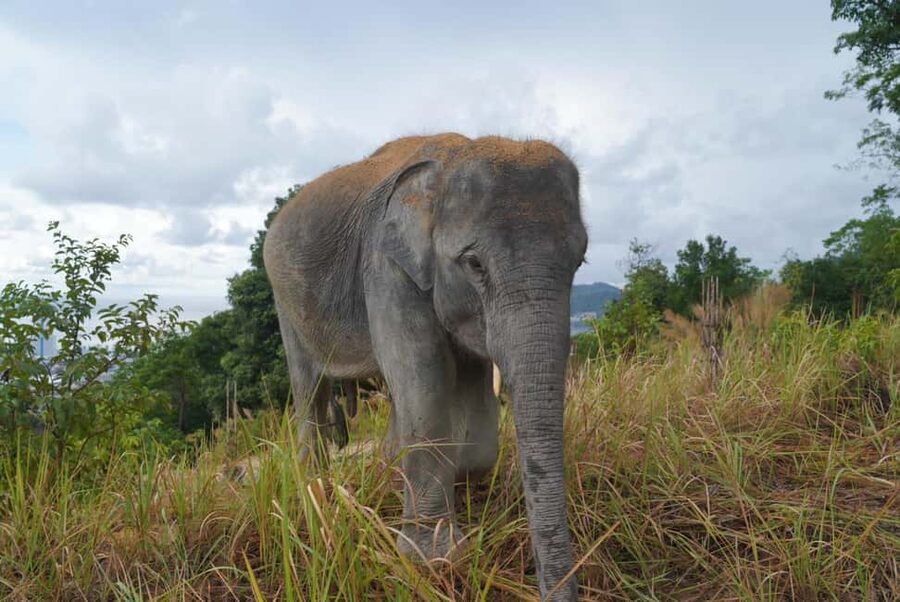
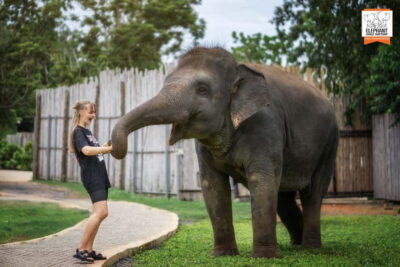
The tour’s final interaction is a hand-feeding moment. You’ll hand-feed the elephants their favorite treats at the end of the experience, which is a big draw for many visitors.
Even though this is the part most people focus on, the tour is set up so it doesn’t become the entire point. The feeding comes after the education and the walk—so you understand what you’re doing and why it’s controlled. Your guide helps you handle the interaction appropriately, and the setting supports a calm approach rather than a chaotic crowd scene.
Bring your patience here. Hand-feeding typically involves waiting for the right moment when the elephant is comfortable and the process is safe and orderly. If you’re expecting fireworks, you’ll be disappointed. If you want a meaningful, low-pressure interaction, it’s a good finale.
One more practical tip: you’ll likely be outdoors and in a warm climate. Start the feeding portion feeling ready—comfortable shoes, hat, sunscreen, and insect repellent. Those aren’t “nice-to-haves” here. They directly affect how enjoyable the last stretch feels.
Price and Value: Is This Phuket Elephant Walk Worth $51?
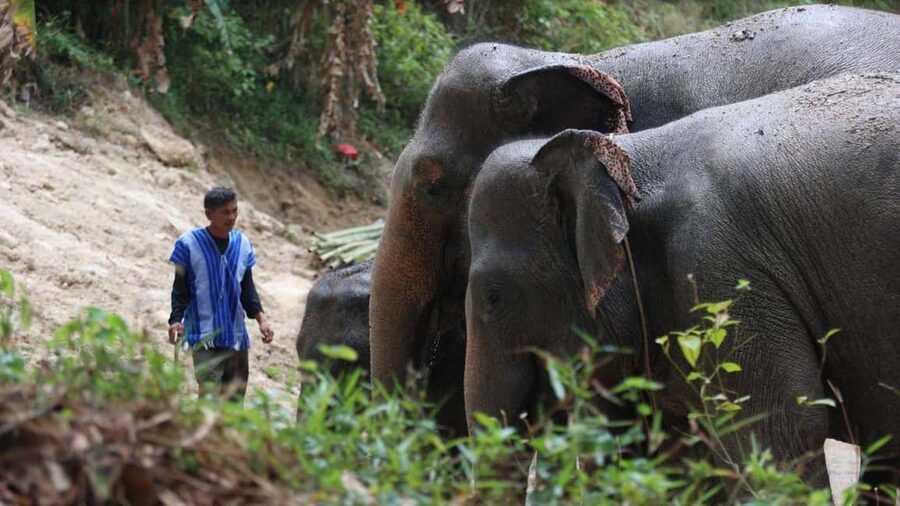
At about $51 per person for a 90-minute program, this tour competes well with other Phuket activities because you’re getting more than a generic “elephant encounter.” You’re paying for guided education, a structured walk, caretaker/hill tribe insights, and an end-of-tour hand-feeding moment, plus a transfer.
What helps the value is that the experience is packaged. Hotel transfer is included, and drinking water is part of the program. That reduces the hidden costs people often forget—finding a ride back, paying for bottled water twice, or losing time to navigation.
A key detail: round-trip transfers are listed as not included. The itinerary structure suggests you’ll get dropped off in set areas after the tour, but the fine print can still vary by option. Before you book, confirm how transfer works for your exact pickup and return. You want to avoid paying extra for your own ride if the route you chose doesn’t include it.
Also note the tour duration. Ninety minutes sounds short until you realize it’s timed to keep the interaction calm and not exhausting. For many people, that’s the point: you leave with learning and one responsible interaction, not a whole-day commitment.
What to Pack and What Rules to Follow
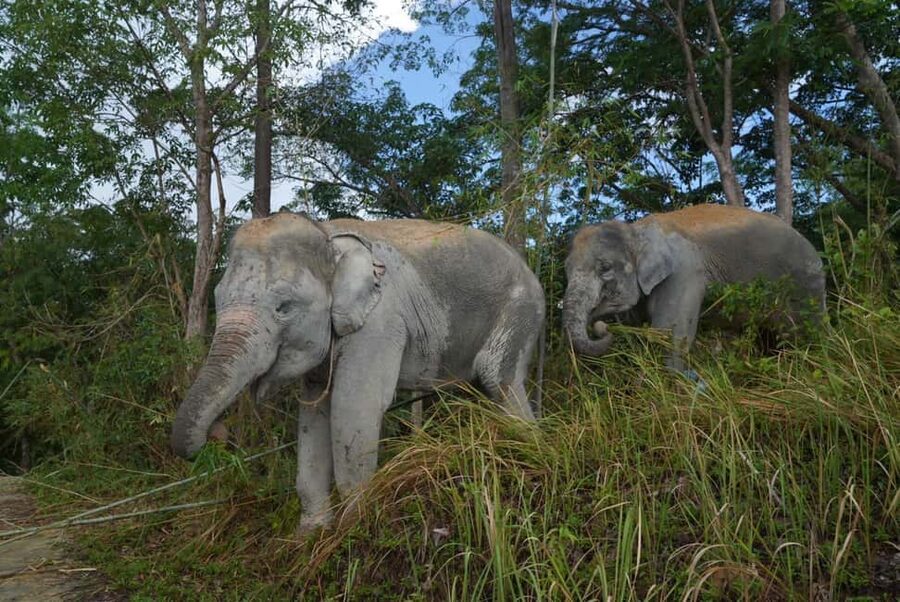
You’ll enjoy this tour more if you show up prepared for outdoors, light walking, and animal interaction protocols.
Bring:
- Comfortable shoes
- Hat
- Camera
- Sunscreen
- Water (the tour includes drinking water, and it asks that you bring a reused bottle)
- Insect repellent
Don’t do:
- Smoking
That “no smoking” rule is standard for animal and nature-based programs, but it still matters for comfort. If you’re the kind of person who needs breaks for cigarettes, plan to skip them during the tour time.
Also keep timing in mind. The program notes that if you arrive more than 10 minutes late from the meeting time—or after the tour has already started—you may be considered a no-show. It’s one of those policies that protects the schedule, so set a buffer in Phuket traffic and heat.
Who This Experience Fits (and Who Should Skip It)
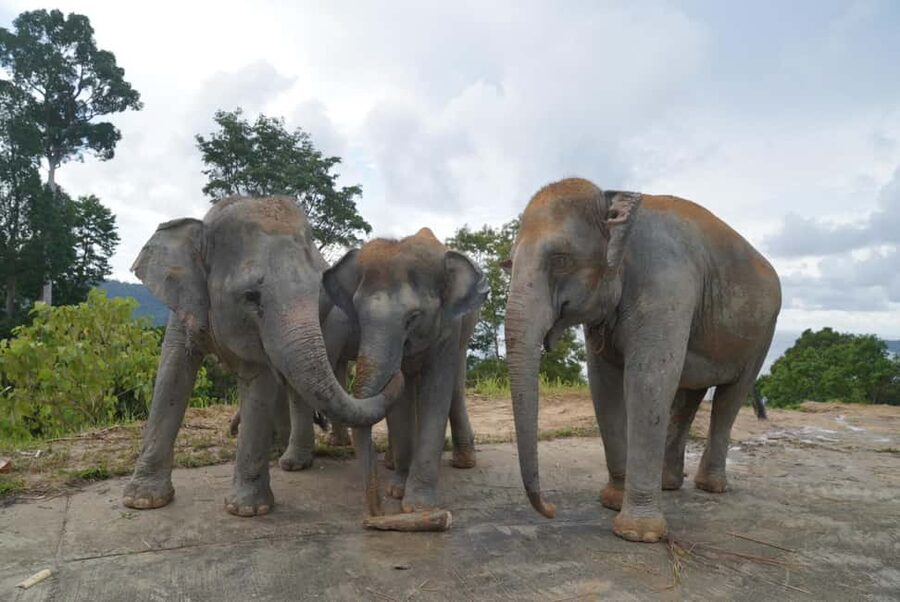
This tour is a good match if you want education, calm viewing, and responsible elephant contact. It’s also built for families in the broad sense, but the specific age rule is tight: it’s not suitable for children under 6.
It also isn’t recommended for:
- Pregnant women
- People with back problems
- Wheelchair users (even though wheelchair accessibility is mentioned elsewhere)
That contradiction is worth taking seriously. If mobility or pregnancy is part of your situation, I’d treat the “not suitable” list as the priority and confirm details with the provider before booking. This isn’t about being overly cautious—it’s about safety and comfort during a guided walk in a natural setting.
If you’re a solo traveler, a couple, or traveling with friends, you’ll probably like the guided pace and the English explanation. If you’re hoping for a “deep language” tour in something besides English, you should confirm language options early. One review mentioned a desire for German, and that’s a useful clue for non-English speakers.
Should You Book This Phuket Elephant Sanctuary Walk?
I’d book it if you want a calm, structured elephant experience with education built in—captivity vs wild context, behavior coaching, and caretaker/hill tribe insights—plus a responsible hand-feeding moment at the end. The transfer and 90-minute timing make it easy to fit into a Phuket itinerary without major disruption.
I wouldn’t book it if you fall into the listed “not suitable” categories, if you’re looking for a long multi-hour program, or if you need a specific language that isn’t confirmed. And if you’re picky about transfer details, verify how pickup/return works for your exact location option so you don’t get surprised at the end.
If you keep expectations realistic—walk, learn, observe calmly, then feed treats briefly—you’ll likely come away feeling informed, not just entertained.
FAQ
How long is the Phuket elephant sanctuary guided walk?
The program lasts about 90 minutes.
Is hotel transfer included?
Hotel transfer is included. Round-trip transfers are listed as not included, so it’s best to confirm how pickup and return work for your specific option.
What language is the tour guide?
The live tour guide speaks English.
What should I bring?
Wear comfortable shoes. Bring a hat, camera, sunscreen, water (a reused bottle is recommended), and insect repellent.
Is smoking allowed during the tour?
No, smoking is not allowed.
Is the tour suitable for young children?
It is not suitable for children under 6 years old.
What is the cancellation policy?
There is free cancellation up to 24 hours in advance for a full refund.
More Tour Reviews in Phuket






Getting Around Phuket

More Time With Phuket's Elephants





Keep exploring Phuket and the Andaman coast






Ethical Elephant Encounters, compared.
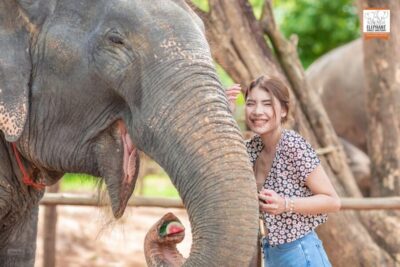 ★ 4.8Elephant Jungle Sanctuary Ethical Feeding ExperienceFrom $284,359 reviews
 ★ 4.8Elephant Sanctuary Guided Tour with Hotel TransfersFrom $412,020 reviews
 ★ 4.9Elephant Jungle Sanctuary Half-Day Visit with MealFrom $901,800 reviews
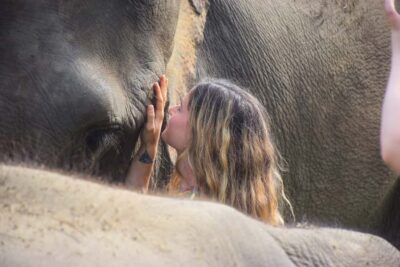 ★ 4.8Elephant Save & Care Program TourFrom $831,790 reviews
 ★ 5.0A Morning with the Elephants at Phuket Elephant SanctuaryFrom $971,693 reviews
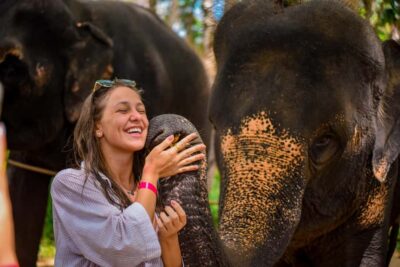 ★ 4.8Lily Elephant Half day Trip on the Beach with lunchFrom $831,420 reviews
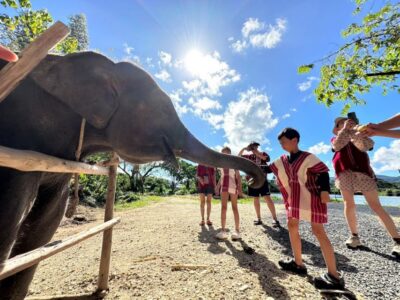 ★ 4.7Elephant Experience with Lunch or Dinner and PickupFrom $671,387 reviews
 ★ 4.8Elephant Jungle Sanctuary Feed and Shower TripFrom $611,056 reviews
Browse the lists this tour appears in