
Reviewed · ETHICAL ELEPHANT ENCOUNTERS
Phuket: Turtles, Rafting & Elephants Private Ethical Tour
A day built for respectful wildlife. This private tour strings together turtles, bamboo rafting, temple culture, and an observation-only elephant sanctuary in one long-but-satisfying 8 hours. It’s not a big-ticket theme park day. It’s a series of small, meaningful stops that add up.
I really like the sea turtle conservation focus, because you see the work behind the word endangered. You visit a rescue and rehabilitation center and learn what’s happening at different stages, not just big-screen facts.
My one heads-up: it’s a full day, and seasonal low-water conditions (Feb–May) can affect river rafting and may also mean skipping waterfall time. Plan for a long day, pack for water, and stay flexible.
In This Review
- Key Highlights You’ll Actually Feel
- Private Ethical Wildlife in One 8-Hour Day
- The value angle (why this price can make sense)
- Sea Turtle Conservation Center: Rescue Work You Can See
- What you’ll focus on during the visit
- A practical note
- Bamboo Rafting at Wang Kiang Koo (Plus Waterfall Time)
- What to expect on the raft
- Ton Pling Waterfall and swimming
- Wat Lak Kaen: Old Temple Meaning Before the Elephants
- Dress and behavior basics
- Ethical Elephant Sanctuary: How Observation-Only Actually Feels
- The walk: respectful distance, not control
- The viewing platform near the creek
- Herbal supplement prep: you participate, but welfare stays central
- A note on elephant behavior
- Ya Dom Herbal Inhaler and Khanom Krok: Real Thai Culture You Make
- Make a Ya Dom herbal inhaler
- Khanom Krok: one of Thailand’s best coconut snacks
- Lunch at a Southern Thai Spot: More Than a Fuel Stop
- What to expect from the meal
- Police Boat 813 Tsunami Memorial: A Serious Stop, Handled Briefly
- Logistics That Matter: Pickup, Timing, and What to Bring
- What to bring (don’t skip this)
- Mobility and pregnancy note
- Who This Tour Suits Best (And Who Might Prefer Something Else)
- Should You Book This Private Ethical Day Trip From Phuket?
- FAQ
- How long is the tour?
- Is the elephant experience ethical and observation-only?
- Will I have time to swim?
- What food and drinks are included?
- Where do you go during the day?
- What languages are the guides?
- Where is pickup from?
- What should I bring?
- What happens if river water is low?
Key Highlights You’ll Actually Feel
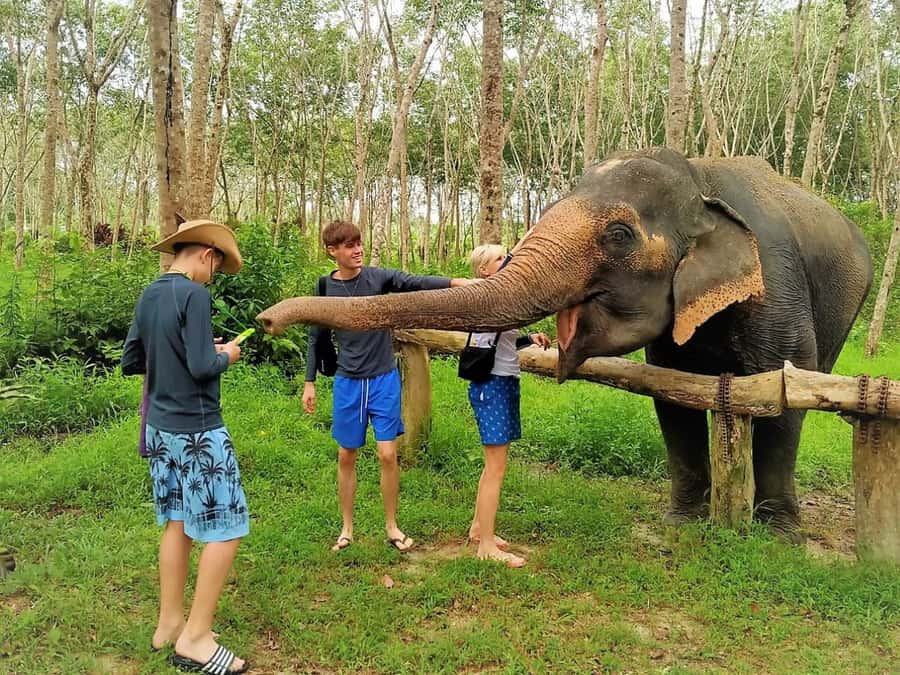
- Observation-only elephants: no riding, no bathing by guests, no touching, and no controlling elephants—just quiet follow-walks at a respectful distance.
- Sea turtle conservation with rehab insight: you’ll learn rescue efforts and conservation steps and see turtles at different rehabilitation stages.
- Bamboo rafting through jungle streams: a local paddler guides you past lush scenery, with nature-led pacing.
- Culture that’s hands-on: you craft an herbal inhaler (Ya Dom) and make Khanom Krok, a classic coconut snack.
- A temple stop that grounds the day: Wat Lak Kaen connects the natural parts to real local spiritual life.
- Tsunami remembrance at Police Boat 813: a powerful historical pause on the way back.
Other ethical sanctuaries where you meet the herd, not ride it
- Phuket: Elephant Experience with Lunch or Dinner and Pickup★ 4.7 · 1,387 reviews
- Phuket: Bukit Elephant Park Sanctuary Walk and Feed Tour★ 4.9 · 926 reviews
- Phuket: Phuket Elephant Care Sanctuary ECO Tour★ 4.9 · 671 reviews
- Phuket: Half Day or 2-Hour Ethical Elephant Care Sanctuary★ 4.5 · 481 reviews
Private Ethical Wildlife in One 8-Hour Day
This is the kind of Phuket area day trip that makes you feel like you used your time well. You start with conservation at a sea turtle center, then shift into active nature time with bamboo rafting and a waterfall swim, and you finish with an ethical elephant sanctuary experience that’s built around observation, not performance.
The best part is the mix. It’s not just about seeing animals—it’s about understanding why they’re there, what’s being done to help them, and how local people fit nature and culture into daily life. And because it’s private, you’re not stuck trying to hear over a crowd while someone’s yelling for a photo.
The value angle (why this price can make sense)
At $418 per group (up to 3 people), you’re paying for a private vehicle, a full-day route, and multiple guided stops—not just one attraction. You also get a set lunch plus drinks, and the day includes insurance. In practice, this can be good value if you want a calmer day with control over your pace, especially when many Phuket tours bundle lots of stops but cram you into a shared bus for long stretches.
Sea Turtle Conservation Center: Rescue Work You Can See
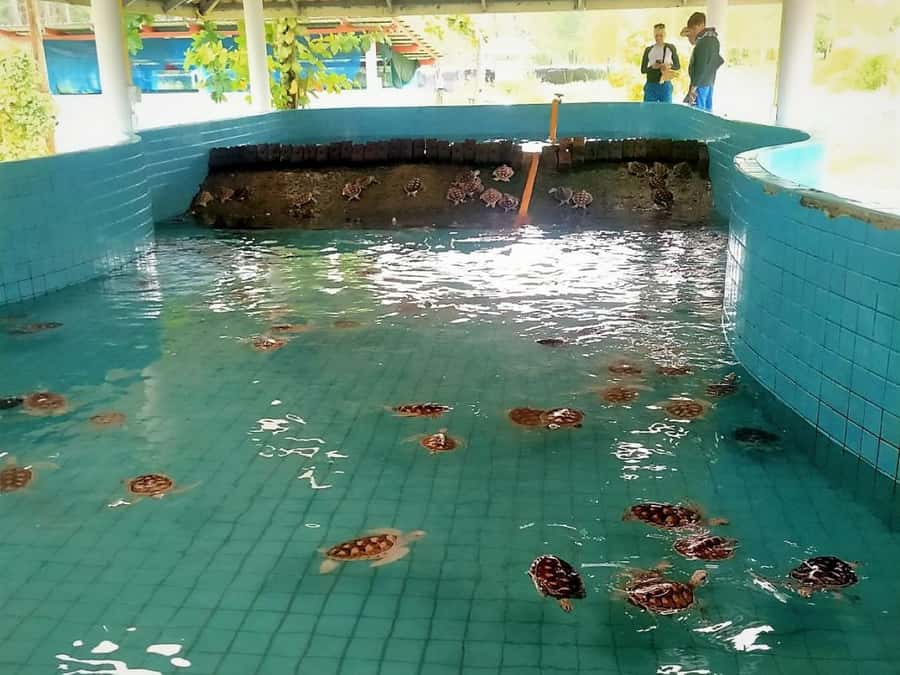
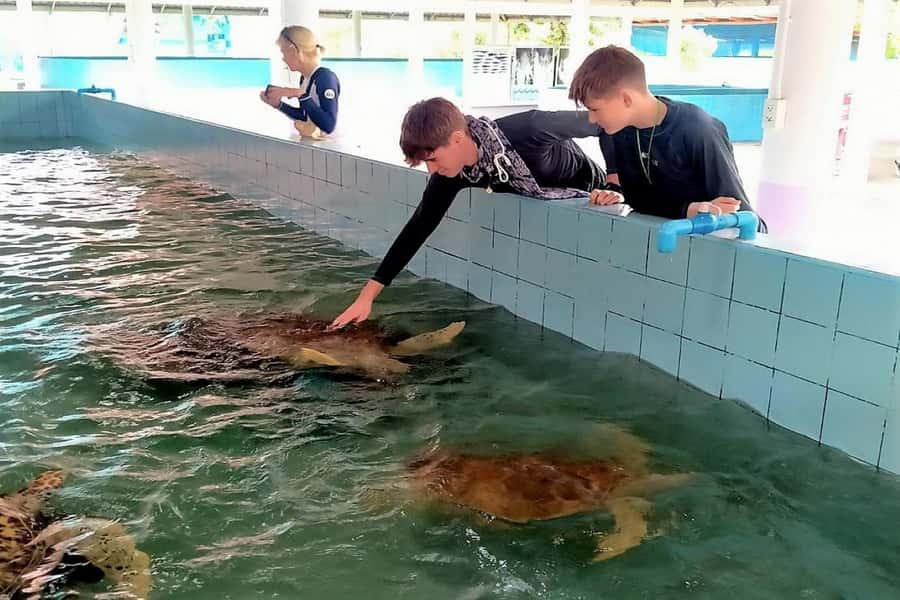
You begin at the Sea Turtle Conservation Center, where the day takes a serious turn in a good way. This isn’t a casual “look at turtles” stop. You learn about endangered species and how rescue and rehabilitation work, including what happens while turtles are recovering.
What I like about this kind of start is that it sets expectations. Before you move into rafting and elephants, you already understand what conservation actually means in this region: care, monitoring, and protection efforts. That context makes the rest of the day feel more connected instead of random.
What you’ll focus on during the visit
You’ll spend time learning about:
- rescue efforts and marine conservation work
- endangered sea turtle species
- turtles at different rehabilitation stages
Other white-water and waterfall days inland
A practical note
This stop is indoors/outdoors depending on the setup, and it can be a slower moment compared with the later activities. Wear comfortable clothes you can move around in, and don’t rush—this is where the “why” of the trip lives.
Bamboo Rafting at Wang Kiang Koo (Plus Waterfall Time)
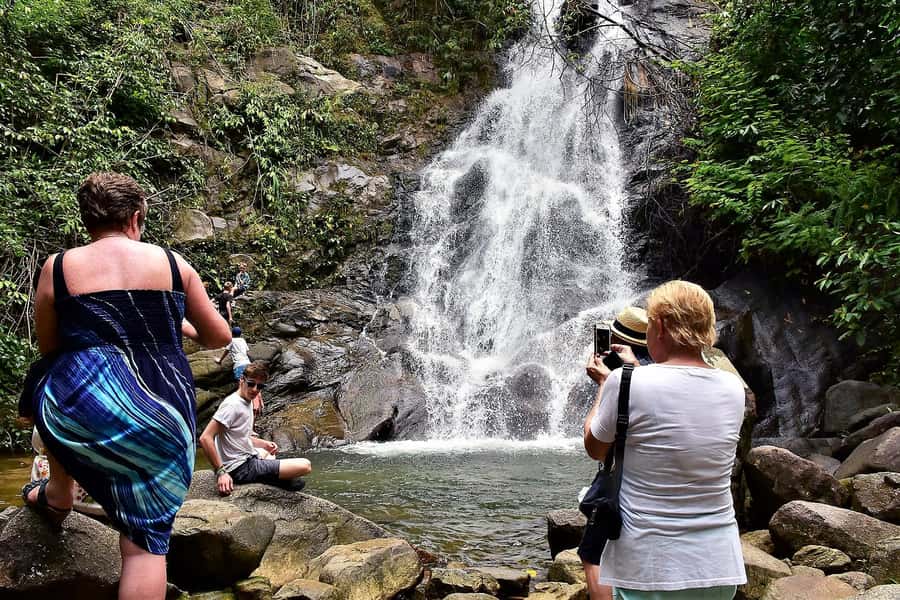
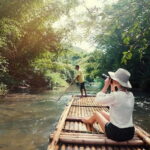
After the turtle center, you head toward Wang Kiang Koo Waterfall for bamboo rafting. This is one of those activities that feels simple until you’re actually on the raft. Local paddlers guide the raft through a jungle stream, and the pace is steady and scenic rather than frantic.
What to expect on the raft
- bamboo rafting down a jungle waterway
- guided by skilled local paddlers
- a calm, nature-focused ride through lush surroundings
In the Feb–May period, river water levels can run low. The tour notes that rafting may shift to alternative locations, and waterfall visits can be skipped. That matters because rafting is water-dependent—so if you’re traveling in those months, staying flexible is smart.
Ton Pling Waterfall and swimming
Later, you get Ton Pling Waterfall time with an option to swim. This is why you should pack like it’s a water day, even if you’re not guaranteed a full “soak.” Bring a change of clothes and a towel, because you’ll want to rinse and get comfortable after.
My advice: treat this part like a mini beach day. Swimwear + quick-dry layers work best.
Wat Lak Kaen: Old Temple Meaning Before the Elephants
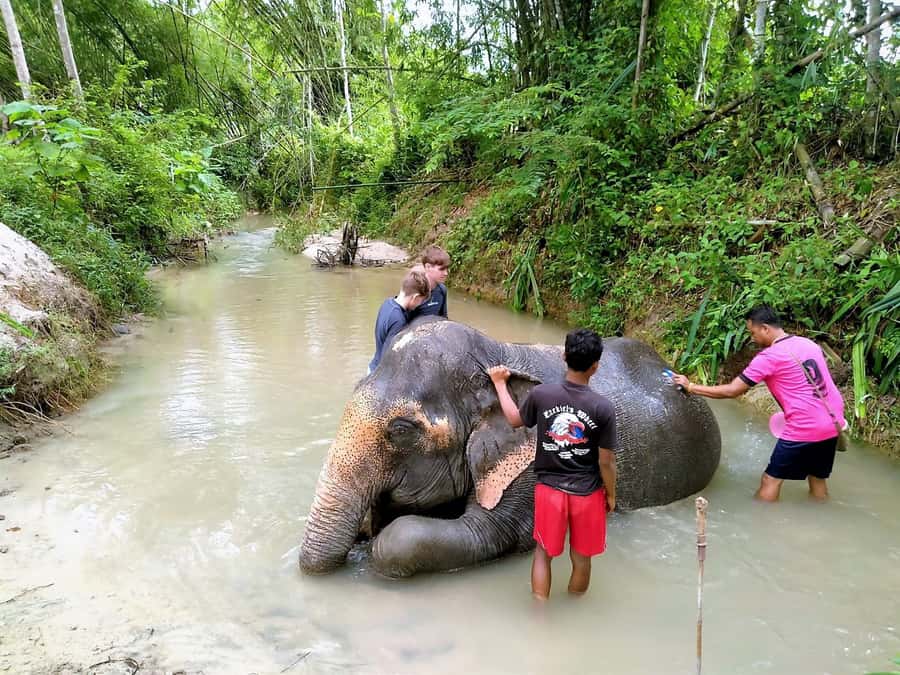
Between the water stops and the animal sanctuary time, you visit Wat Lak Kaen. This is one of the region’s oldest and most significant temples, and the visit includes learning about the story of the Buddha’s holy relic and the spiritual traditions linked to the area.
I like that the day slows down here. After being active, you get a cultural reset that feels grounded and human-scale. Also, temples add practical value: you learn how locals think about the sacred, not just how tourists pose.
Dress and behavior basics
This is a temple stop, so dress appropriately. You may also want a sarong on hand, since it’s commonly used for coverage in Thai temple settings.
Ethical Elephant Sanctuary: How Observation-Only Actually Feels
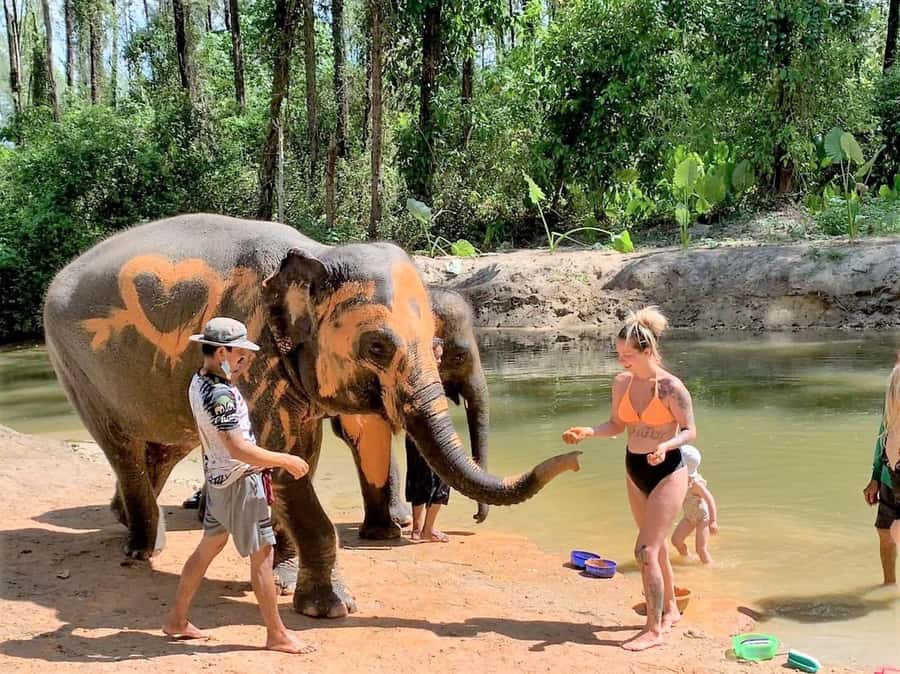
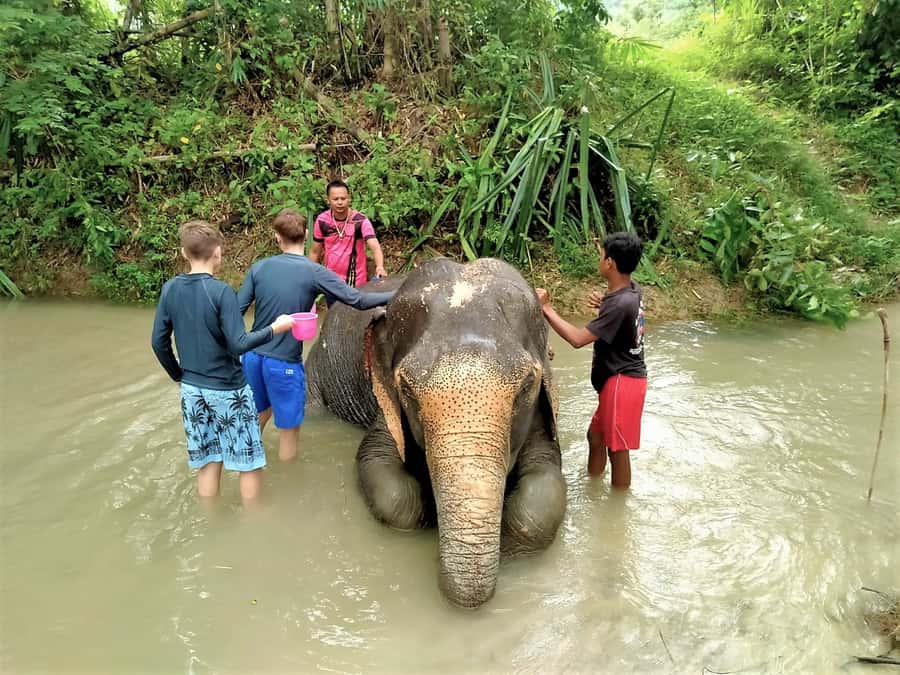
This is the centerpiece for most people, and it’s handled in a way that’s hard to replace with a ride-and-bathe style experience. You visit an ethical elephant sanctuary with a clear rule set: there’s no riding, no bathing by guests, and no physical contact.
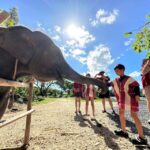
You’ll meet rescued domestic elephants cared for by experienced mahouts, and the entire visit is built around elephant-led behavior. In plain terms: you follow quietly at a respectful distance. The elephants set the pace.
The walk: respectful distance, not control
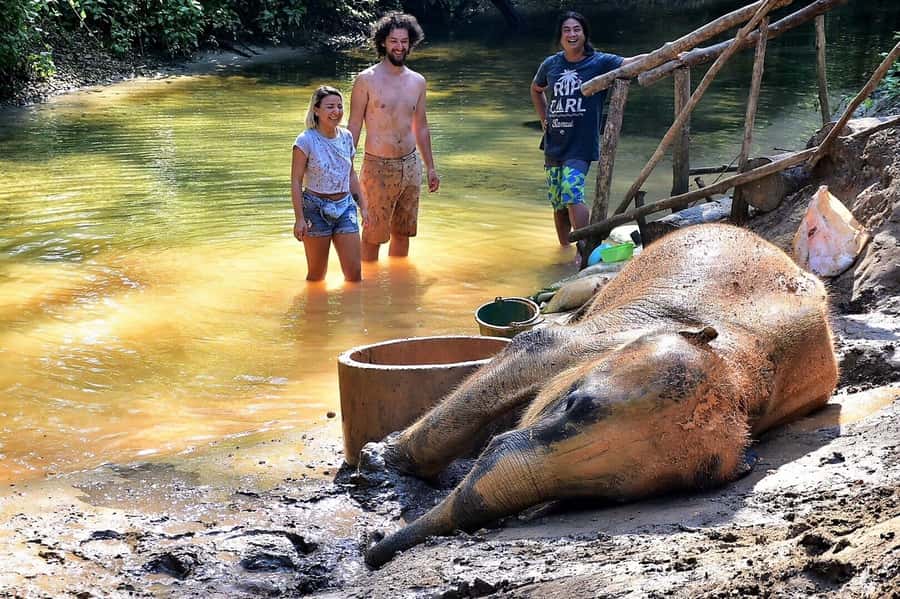
A guided observation walk lets you watch how elephants move, pause, and interact within a defined area. Guests do not touch, lead, or control the elephants. That matters because it changes the whole tone of the encounter from performance to observation.
The viewing platform near the creek
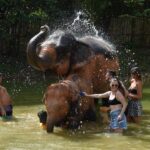
There’s also a designated viewing platform near a natural creek. If elephants choose to bathe or play in mud, you can watch from the platform. That’s the key detail: you’re not bathing them. You’re observing what they choose to do.
Herbal supplement prep: you participate, but welfare stays central
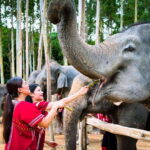
You also help prepare a traditional herbal supplement for the elephants. The wording here matters: the supplement is prepared by guests, then offered by caretakers using welfare-based practices. It’s a hands-on cultural learning moment, but it’s also tied to the sanctuary’s routine care.
A note on elephant behavior
Elephant behavior can’t be guaranteed. Some days they’re social and active. Other days they’re calm and less interested in the viewing area. The best approach is to treat the sanctuary time like a patient observation window—bring quiet focus, not a checklist.
Ya Dom Herbal Inhaler and Khanom Krok: Real Thai Culture You Make
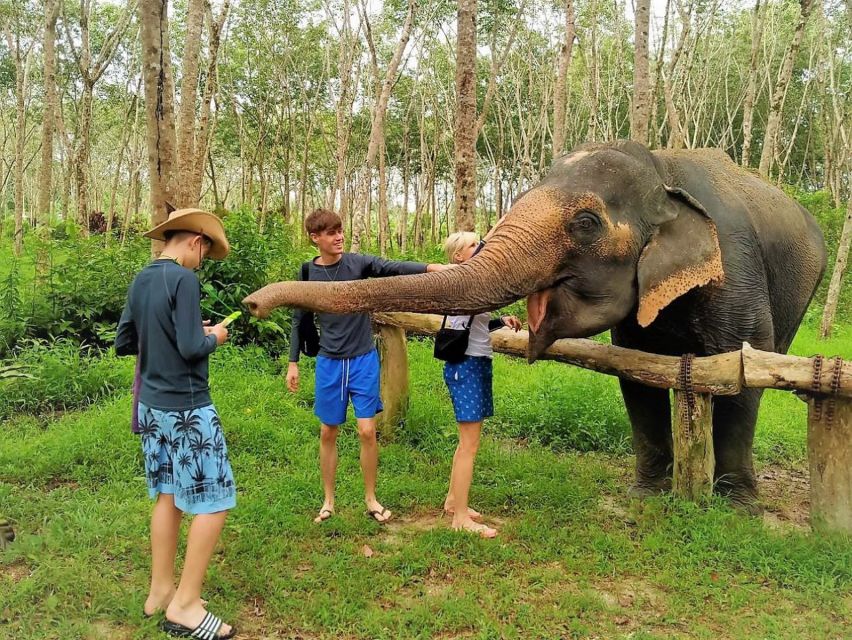
After the elephant portion, the tour shifts into Thai cultural skills. This is where the day stops feeling like a “tour route” and starts feeling like a shared experience you carry home.
Make a Ya Dom herbal inhaler
You’ll craft your own Thai herbal inhaler called Ya Dom. The trip frames it as a traditional herbal practice, and it’s a neat contrast to the rest of the day. Instead of watching, you’re doing—hands on, asking questions, and learning a small everyday tradition that exists beyond tourist attractions.
Khanom Krok: one of Thailand’s best coconut snacks
Then you make Khanom Krok, a beloved coconut street snack. You get to produce it yourself, which is much more satisfying than eating a meal and moving on. It also ties the day together: conservation, nature, culture, and then food that reflects local tastes.
Tip: If you have a sweet tooth, don’t overthink it. This is the snack you’ll want to remember.
Lunch at a Southern Thai Spot: More Than a Fuel Stop
Lunch is a freshly prepared southern Thai set meal at a local restaurant. The day provides a relaxed natural setting for eating, which helps after the active parts earlier in the route.
In past experiences with this kind of itinerary, the lunch quality often becomes the emotional reset point—warm food, break from the heat, and enough time to actually enjoy it. Here, you also get drinking water and cola, so you’re not hunting for drinks during the day.
What to expect from the meal
You’ll get authentic southern Thai flavors as a set lunch. If you’re picky about seafood or meat, the tour data doesn’t list customization rules, so it’s worth planning based on your own preferences and being ready to choose what’s offered.
Police Boat 813 Tsunami Memorial: A Serious Stop, Handled Briefly
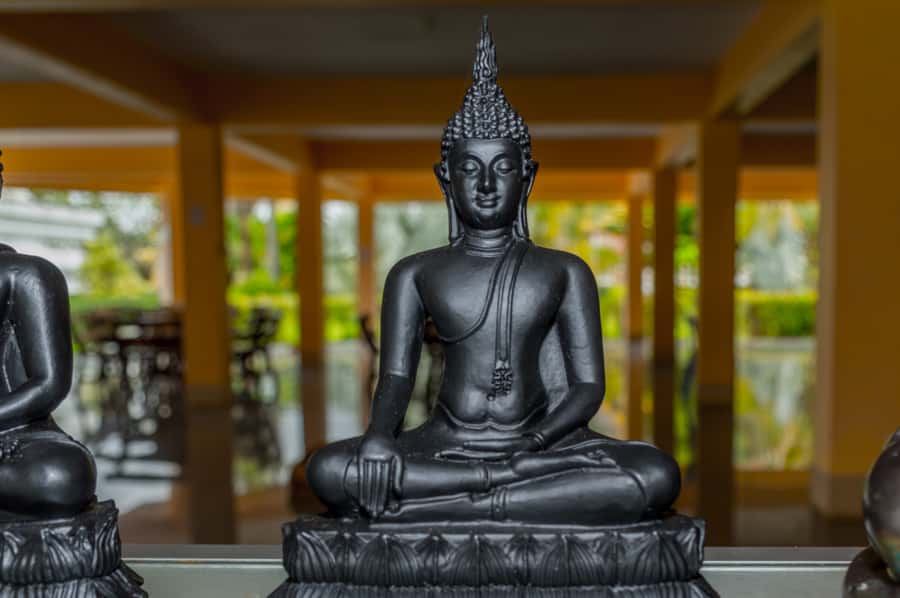
On the way back toward Phuket, you stop at Police Boat 813—a tsunami memorial with a message of resilience and remembrance. This part of the day is less about entertainment and more about reflection, and it can be heavy if you’re sensitive to graphic imagery.
If you’re traveling with kids or anyone who gets affected by powerful historical photos, I’d treat this as a “choose how you want to see it” moment. Look quickly, take breaks, or stay focused on what you can handle.
Then you’re transferred back to your hotel.
Logistics That Matter: Pickup, Timing, and What to Bring
This is a private group tour, with hotel pickup and drop-off in Phuket. Pickup starts from three location options: Mai Khao and Thai Mueang District (Phuket). Your guide picks you up from the hotel lobby area and you should wait about 10 minutes before pickup time.
What to bring (don’t skip this)
You’ll be doing water-related activities and temple time, so pack smart:
- change of clothes (bring at least 2 sets)
- towel
- sarong
- cash (useful for photos/souvenirs, if you want them)
- passport or a copy
And since the tour takes place rain or shine, you might also want a light rain layer in your day bag.
Mobility and pregnancy note
This tour is not suitable for pregnant women and not suitable for people with mobility impairments. The elephant and waterfall parts, plus walking time, make it hard to adapt.
Who This Tour Suits Best (And Who Might Prefer Something Else)
I think this tour fits best if you:
- care about ethical wildlife rules and want observation over animal handling
- want a single full day that mixes nature, conservation, and Thai culture
- like private pacing, not a crowded group schedule
- don’t mind a long day with several stops
It might be less ideal if you:
- want a short, low-walking day
- get uncomfortable with historical memorial imagery
- travel in Feb–May and need guaranteed rafting or waterfall time (water levels can change what happens)
Should You Book This Private Ethical Day Trip From Phuket?
If your priority is ethical elephants, plus turtles and Thai culture in one day, I’d say this is a strong booking choice. The day is built around observation-only rules, and it adds meaningful culture through the herbal inhaler and Khanom Krok workshops instead of stopping at photos and leaving.
Book it if:
- you value conservation context (not just animal sightings)
- you want a calmer private format
- you’re happy with an active day that includes water and temple attire
Skip it if you:
- need a very easy, minimal-walking schedule
- can’t handle the possibility of skipped rafting/waterfall time during low-water season
- have restrictions related to pregnancy or mobility
In short: this tour is for people who want the Phuket region beyond beaches—without compromising on how animals are treated.
FAQ
How long is the tour?
The tour lasts about 8 hours.
Is the elephant experience ethical and observation-only?
Yes. The experience is observation-only with no riding, no bathing by guests, and no physical contact. You also don’t touch, lead, or control the elephants.
Will I have time to swim?
There is swimming time at Ton Pling Waterfall.
What food and drinks are included?
A southern Thai set lunch is included, along with drinking water and cola.
Where do you go during the day?
You visit the Sea Turtle Conservation Center, Wat Lak Kaen, Wang Kiang Koo Waterfall area for bamboo rafting, Ton Pling Waterfall, an ethical elephant sanctuary, and Police Boat 813 tsunami memorial.
What languages are the guides?
The tour offers English or German-speaking guides, depending on your option.
Where is pickup from?
Pickup is available from three options in Phuket: Mai Khao and Thai Mueang District. Drop-off is also in Phuket, Mai Khao, or Thai Mueang District.
What should I bring?
Bring change of clothes, a towel, cash, and either your passport or a copy. A sarong is also recommended.
What happens if river water is low?
During the summer months (Feb to May), low water levels may affect rafting, and waterfalls may be skipped. The tour notes alternative rafting locations are prepared and waterfall visits may be omitted.
Phuket Wildlife, Up Close
Rafting & Waterfalls Inland

More Time With Phuket's Elephants



Keep exploring Phuket and the Andaman coast

Ethical Elephant Encounters, compared.
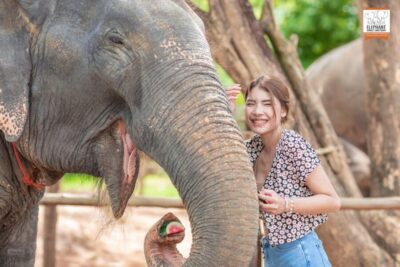 ★ 4.8Elephant Jungle Sanctuary Ethical Feeding ExperienceFrom $284,359 reviews
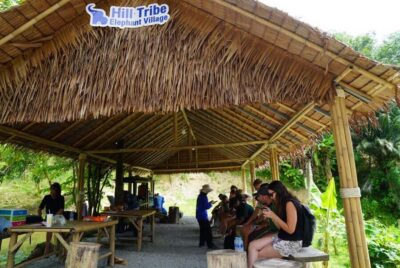 ★ 4.8Elephant Sanctuary Guided Tour with Hotel TransfersFrom $412,020 reviews
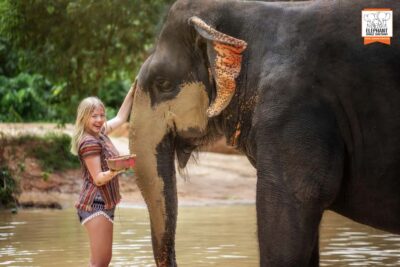 ★ 4.9Elephant Jungle Sanctuary Half-Day Visit with MealFrom $901,800 reviews
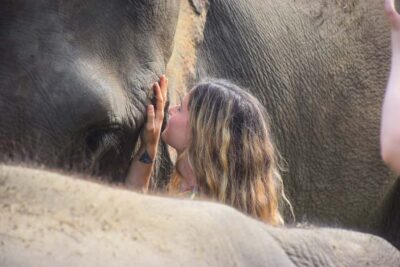 ★ 4.8Elephant Save & Care Program TourFrom $831,790 reviews
 ★ 5.0A Morning with the Elephants at Phuket Elephant SanctuaryFrom $971,693 reviews
 ★ 4.8Lily Elephant Half day Trip on the Beach with lunchFrom $831,420 reviews
 ★ 4.7Elephant Experience with Lunch or Dinner and PickupFrom $671,387 reviews
 ★ 4.8Elephant Jungle Sanctuary Feed and Shower TripFrom $611,056 reviews
Browse the lists this tour appears in